

A roof leak over a living room and a leak above an occupied office may start the same way, but the decisions that follow are rarely alike. Residential versus commercial roofing involves different roof designs, drainage requirements, materials, project logistics, and maintenance responsibilities. Choosing the right approach protects the building, the people inside it, and the investment behind it.
For homeowners and commercial property decision-makers in Fairfield County, local conditions add another layer to the choice. Heavy rain, winter snow and ice, wind-driven coastal weather, attic ventilation issues, and aging building materials can all affect a roof’s performance. A dependable roofing plan begins with understanding what type of system the building needs and what it will take to keep that system working.
Residential Versus Commercial Roofing: The Core Differences
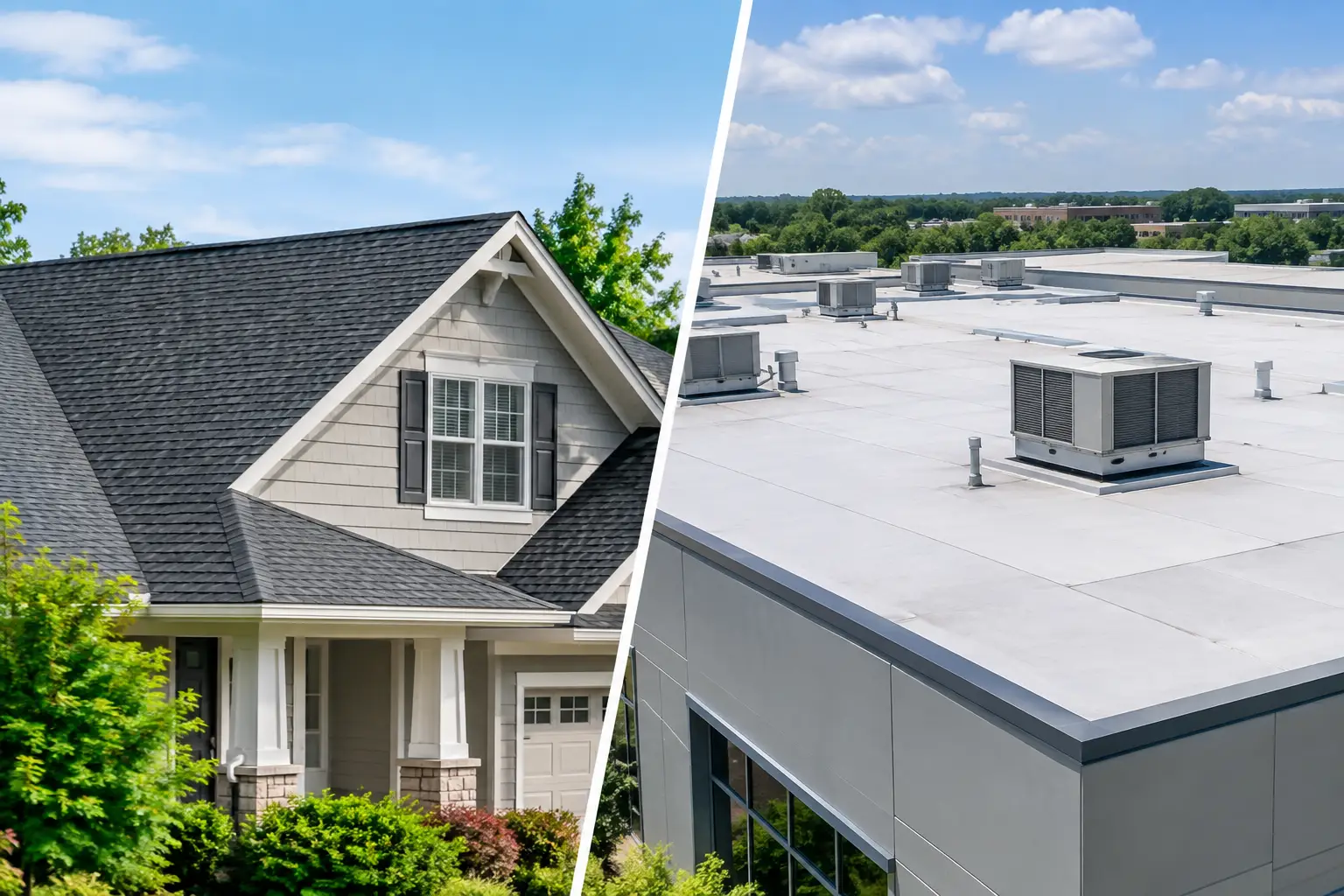
The most visible difference is roof shape. Most homes use steep-slope roofs, which shed water quickly and are often covered with asphalt shingles, cedar, slate, or metal. Their design plays a major role in curb appeal, especially on historic homes and higher-end properties where material selection must complement the architecture.
Commercial buildings more commonly use low-slope or flat roofing systems. These roofs are not truly flat. They have a slight pitch that directs water toward drains, scuppers, or gutters. Rubber membranes and certain metal systems are common choices because they create broad, durable weatherproof surfaces across large areas.
That basic distinction affects nearly every part of the job. A residential crew may work around valleys, chimneys, skylights, dormers, and attic ventilation. A commercial roofing project may require careful attention to rooftop HVAC units, drainage paths, flashings at parapet walls, penetrations for equipment, and safe access across a large roof area.
Design and Drainage Drive Roofing Performance
On a steep residential roof, water runoff is usually straightforward until a detail fails. Missing shingles, cracked pipe boots, loose flashing, damaged valleys, or ice dams can allow water beneath the roof covering. In Connecticut, ice dams deserve particular attention. Heat escaping into the attic can melt snow near the ridge, while water refreezes at colder eaves and backs up beneath shingles.
The best repair is not always another layer of material at the roof edge. Often, the underlying issue involves insulation, ventilation, or an aging roof system that no longer sheds water effectively. An experienced inspection should identify the source of the problem before recommending a repair or replacement.
On a low-slope commercial roof, standing water is a more immediate concern. Ponding water can place stress on seams, flashings, drains, and the roofing membrane. A clogged drain after a storm may turn a small maintenance issue into a leak affecting offices, inventory, electrical systems, or tenant spaces.
Commercial drainage requires an ongoing plan, not a one-time installation decision. Roof drains, scuppers, gutters, and downspouts need regular review, particularly after high winds, leaf buildup, or severe rain. If water is consistently collecting in one area, the solution may involve more than patching the surface. The roof’s slope, drainage layout, and substrate condition may need evaluation.
Materials Serve Different Building Needs
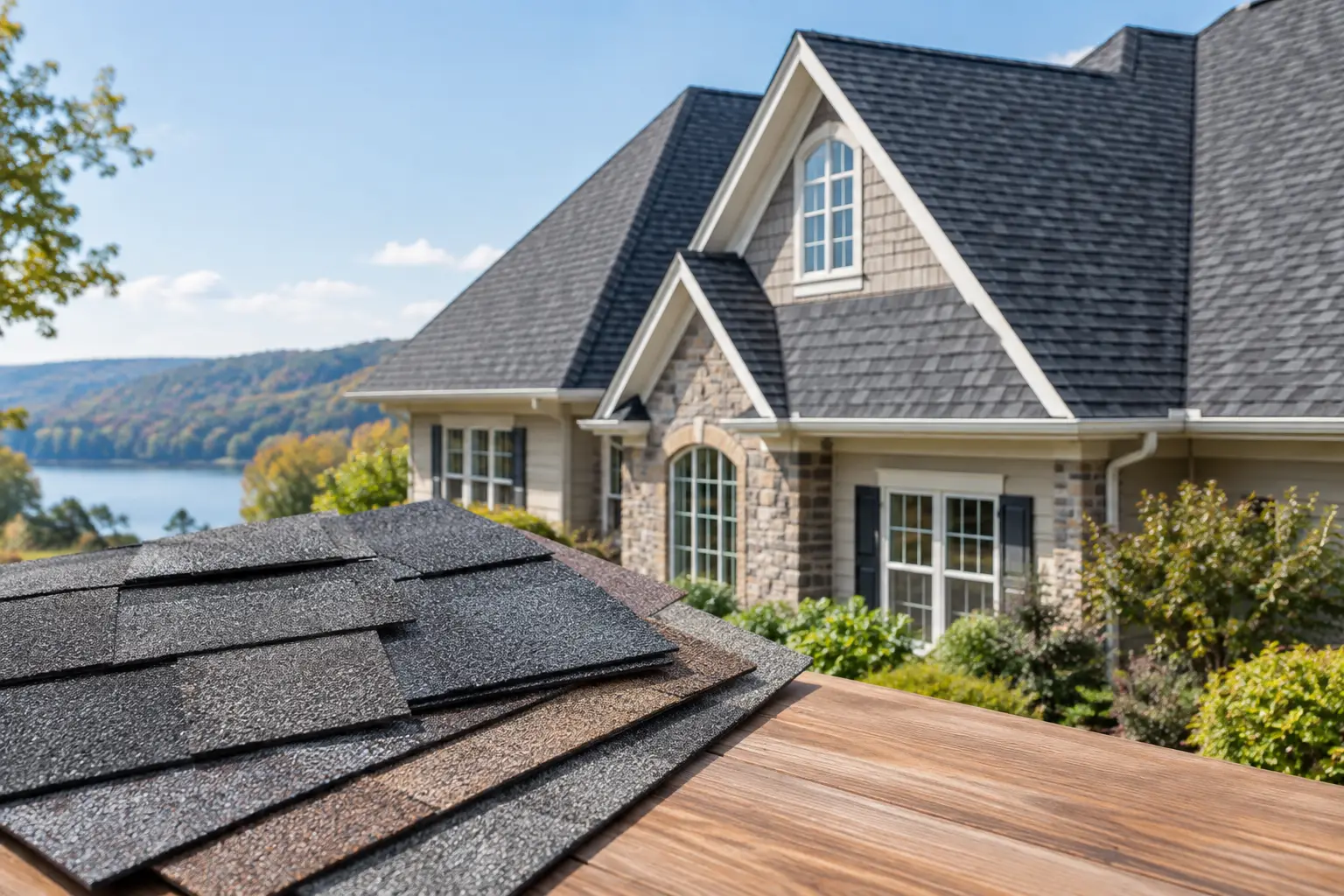
Asphalt shingles remain a practical and popular choice for many homes because they offer dependable protection, broad style options, and a familiar installation process. Architectural shingles can provide a dimensional appearance and strong performance when installed with proper underlayment, flashing, and ventilation.
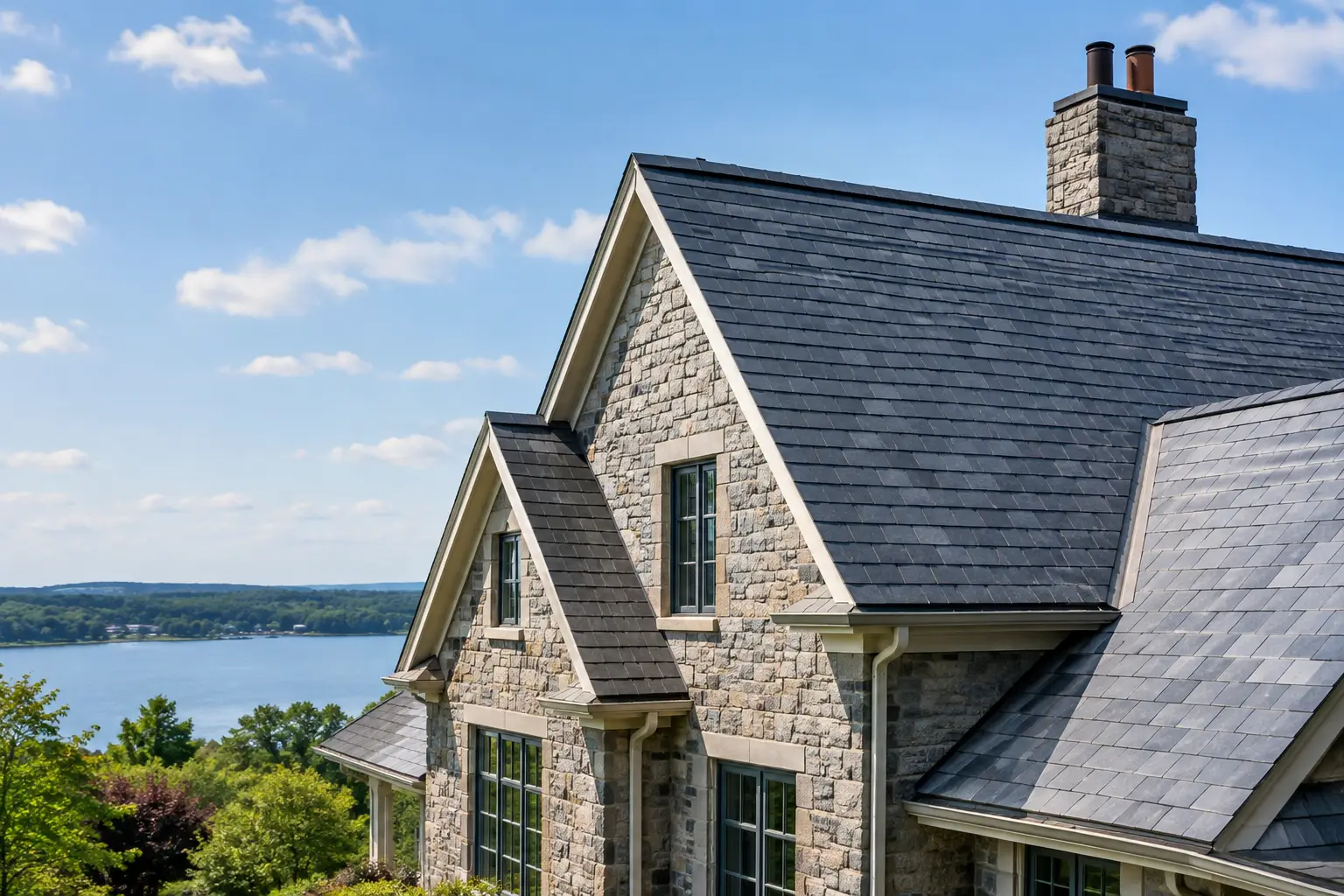
Cedar and slate offer a distinctive look that suits many historic and premium Fairfield County homes. They also demand specialized knowledge. Cedar needs thoughtful detailing and maintenance to manage moisture, while slate is heavy, long-lasting, and requires skilled handling to avoid damage during repairs. Metal roofing can be an excellent residential option for durability, snow shedding, and coastal exposure, but the details around fasteners, flashing, and transitions matter as much as the panels themselves.
Commercial roofs often use rubber membrane systems because they are designed for low-slope applications and wide roof fields. Metal may also be used on commercial buildings, particularly where a building design calls for a sloped roof or where long-term durability is a priority. The right material depends on foot traffic, rooftop equipment, drainage, insulation goals, exposure, budget, and the existing roof assembly.
Material selection should never be based on price alone. A less expensive system can become costly if it is poorly suited to the building or installed without attention to drainage and detailing. Conversely, a premium material is not a guarantee of performance if the roof deck, insulation, flashings, and penetrations are not addressed correctly.
Installation Logistics Are Not the Same
A residential roof replacement is disruptive, but it is usually contained to a single household and a relatively short project window. Homeowners still need clear communication about driveway access, landscaping protection, debris removal, noise, and weather scheduling. A professional contractor should also explain what will happen if hidden wood damage is found once the old roof is removed.
Commercial roofing projects require a broader operational plan. The work may affect tenants, employees, customers, deliveries, parking, sensitive equipment, or business hours. A roof over a medical office, retail center, warehouse, school, or multi-unit property cannot always be handled like an empty jobsite.
Scheduling can be phased to reduce disruption. Access routes, material staging, safety procedures, occupied areas, and protection from dust or weather should be considered before work begins. For property managers, communication is part of roofing performance. Tenants and staff need to know when work will occur and what precautions are in place.
Maintenance Has a Larger Role on Commercial Roofs
Every roof benefits from inspections, but commercial maintenance is especially valuable because low-slope systems can hide developing problems. A membrane may look intact from ground level while a failed seam, puncture, deteriorated flashing, or blocked drain is allowing moisture into the assembly.
Commercial property owners should plan for routine inspections and prompt repairs rather than waiting for an interior leak. Regular service can identify loose flashings, damaged sealants, drainage obstructions, and wear around rooftop equipment before those conditions interrupt operations.
Homeowners should also schedule an inspection after major storms, particularly if shingles have blown off, tree limbs have struck the roof, or water marks appear on ceilings. Even without obvious damage, older roofs should be checked periodically. Small issues around chimneys, vents, skylights, and valleys are generally easier to correct before water reaches the roof deck or attic framing.
Cost Depends on Scope, Not Just Square Footage
It is tempting to compare residential and commercial roofing costs by roof size, but square footage tells only part of the story. A steep roof with multiple valleys, slate details, difficult access, and extensive flashing can require significant labor. A smaller commercial roof with complicated drainage, many penetrations, or active rooftop equipment may also carry substantial complexity.
For both property types, a clear estimate should identify the proposed scope of work, roofing materials, underlayment or membrane components, flashing work, tear-off needs, decking allowances, ventilation considerations, and cleanup. Property owners should understand whether the recommendation is a targeted repair, a restoration approach, or a full replacement.
A repair can be the right financial decision when the roof is otherwise sound and the issue is isolated. Replacement may be more practical when leaks are recurring, materials are at the end of their service life, or hidden deterioration is becoming widespread. The answer depends on inspection findings, not on a one-size-fits-all rule.
Choosing the Right Roofing Partner
Residential and commercial roofing both require technical skill, but they also require local judgment. Connecticut roofs face freeze-thaw cycles, wind, rain, snow loads, ice dams, and, near the coast, added weather exposure. A contractor should understand how those conditions affect the specific roof system on your building.
Look for a roofing professional with demonstrated experience in the materials your roof requires, recognized manufacturer credentials, clear insurance and safety practices, and the ability to respond when conditions become urgent. For commercial clients, ask how the contractor will protect daily operations and manage maintenance after the project is complete. For homeowners, ask how ventilation, flashing, and attic conditions will be evaluated alongside the visible roofing material.
Rick’s Main Roofing provides residential and commercial roofing services throughout Norwalk and Fairfield County, including inspections, repairs, replacements, maintenance, and emergency response. Whether the roof covers a family home, a historic property, a retail space, or a larger commercial facility, the most useful next step is a professional assessment that explains the condition of the roof and the practical options ahead.