

A roof in Fairfield County has to handle more than rain. It may face heavy snow, freeze-thaw cycles, wind-driven coastal weather, summer heat, and the occasional storm that exposes every weak point in an aging system. That is why metal roofing benefits deserve serious consideration for homeowners, property managers, and commercial building owners planning a replacement rather than another short-term repair.
Metal roofing is not the right answer for every building or every budget. However, when the roof structure, design goals, and installation details are properly evaluated, it can provide decades of dependable protection with a distinct appearance and lower long-term maintenance demands.
Metal Roofing Benefits That Matter Locally
The strongest case for metal roofing is not simply that it lasts a long time. It is that a properly installed metal system performs well through the conditions Connecticut property owners see year after year.
Long service life can change the replacement equation
A quality metal roof can often last 40 to 70 years or more, depending on the material, finish, roof design, exposure, maintenance, and installation quality. By comparison, many asphalt shingle roofs require replacement much sooner. For a homeowner planning to stay in the property for decades, or a commercial owner trying to control lifecycle costs, that difference can be meaningful.
Longer service life does not mean a metal roof can be ignored. Flashings, sealants, fasteners, penetrations, gutters, and drainage still need periodic attention. The advantage is that the primary roofing surface is designed to resist deterioration for a longer period when it is installed correctly and maintained responsibly.
Weather resistance is a practical advantage
Metal panels are built to shed water and snow efficiently. Their smooth surface and interlocking or standing-seam profiles can help reduce the opportunity for water to sit on the roof surface. That is valuable during prolonged rain and snow events, particularly on roofs with a suitable slope.
Wind performance is another major factor. Metal roofing systems can be engineered and installed to meet demanding wind requirements, but performance depends on the specific panel system, attachment method, deck condition, perimeter detailing, and local code requirements. Coastal and exposed properties should not treat all metal roofs as equal. The system must be selected for the building and installed with careful attention to uplift resistance.
Metal is also noncombustible, which can be a consideration for property owners who want a roofing material with strong fire resistance. The full roof assembly still matters, including the deck and underlayment, but the metal surface itself does not provide fuel for a fire.
Snow shedding requires planning, not guesswork
Snow can slide from a metal roof more readily than from rougher roofing materials. That can help limit excessive snow accumulation on the roof, but it also creates a design consideration: snow moving off the roof can be heavy and sudden.
Snow guards may be needed above entry doors, walkways, driveways, lower roof sections, mechanical equipment, and landscaping. Proper placement is not an afterthought. A roofing professional should consider roof pitch, panel profile, expected snow load, drainage paths, and where people or property are located below.
Energy performance can support comfort
Many metal roofing products are available with reflective finishes that reduce solar heat absorption. On a building with limited attic insulation or significant sun exposure, that may help reduce heat gain and improve comfort during the warmer months.
The result depends on the entire building envelope. Insulation, attic ventilation, air sealing, skylights, window exposure, HVAC performance, and roof color all influence energy use. A light-colored or reflective metal roof can be part of an energy-conscious plan, but it is not a substitute for correcting poor insulation or ventilation.
Appearance Without Sacrificing Function
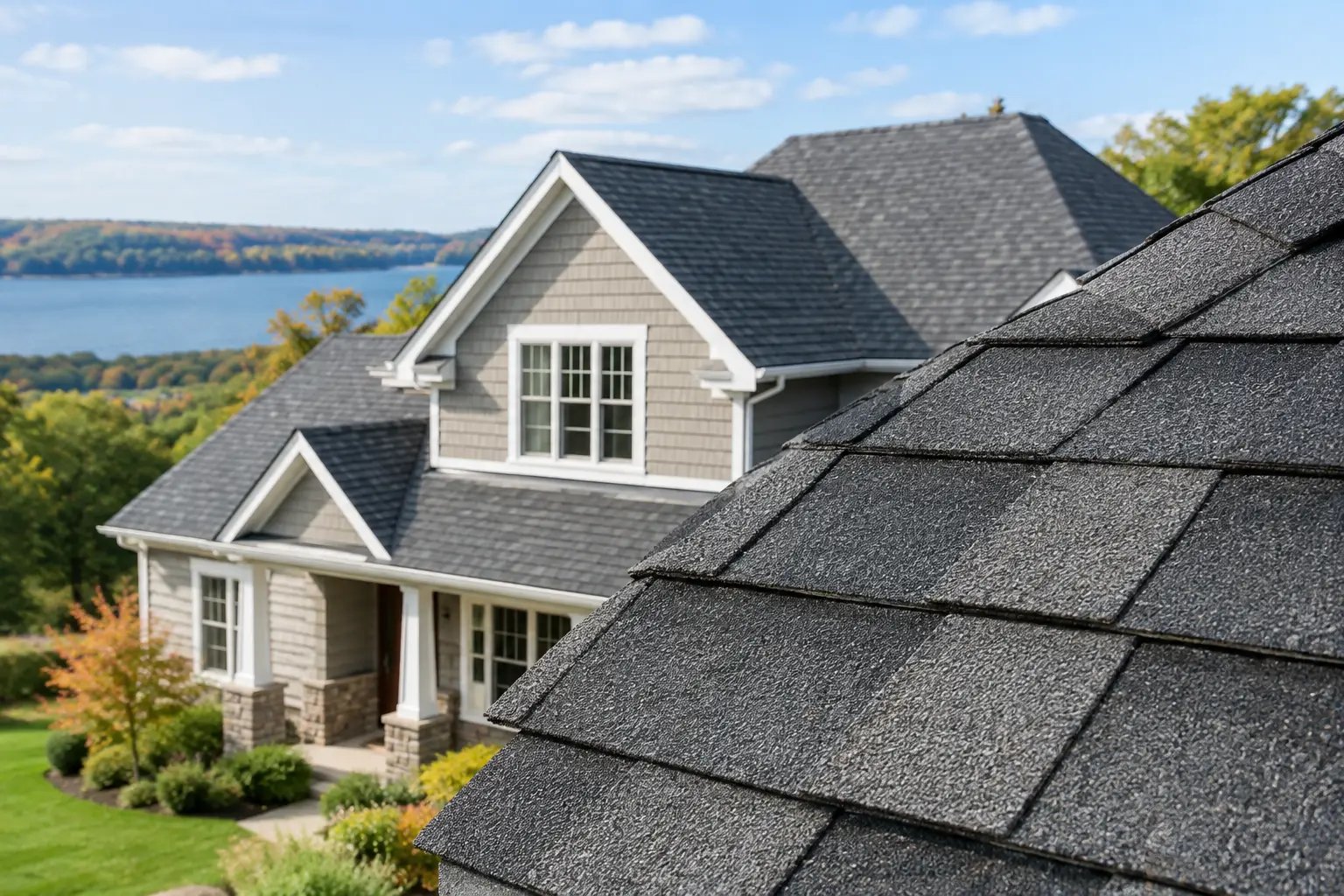
Metal roofing has moved well beyond the utilitarian look many owners picture. Standing-seam panels offer crisp, clean lines that suit contemporary homes, coastal residences, churches, barns, offices, and commercial properties. Metal shingles, shake-style panels, and slate-look products can provide a more traditional appearance while offering the performance characteristics of metal.
Color selection matters in Connecticut neighborhoods, especially for historic homes and higher-end properties where the roof is a major visual feature. The right profile and finish should complement the architecture rather than compete with it. A steep colonial roof, a shoreline property, and a low-slope commercial building each call for a different conversation.
For historic structures, material selection may also be influenced by local review requirements or the need to preserve a specific appearance. In some cases, natural slate or another traditional material may remain the better fit. An experienced contractor should explain those trade-offs clearly instead of forcing one roofing system onto every property.
The Real Cost of a Metal Roof
The upfront cost of metal roofing is typically higher than a standard asphalt shingle replacement. That is the most common reason owners hesitate, and it is a valid concern. Installation requires specialized materials, accurate panel layout, skilled flashing work, and experienced crews who understand how metal expands and contracts with temperature changes.
The better question is whether the added initial investment makes sense over the expected ownership period. A property owner who expects to sell in a few years may prioritize a cost-effective shingle roof with strong curb appeal. An owner planning a long-term residence, managing a premium coastal property, or operating a building where downtime is expensive may place greater value on longevity, durability, and lower replacement frequency.
Financing options can also help owners make a decision based on the right roofing system for the property, rather than selecting solely around immediate cash outlay. The roof should protect the building, fit the budget, and support the owner’s long-term plans.
Installation Details Determine Performance
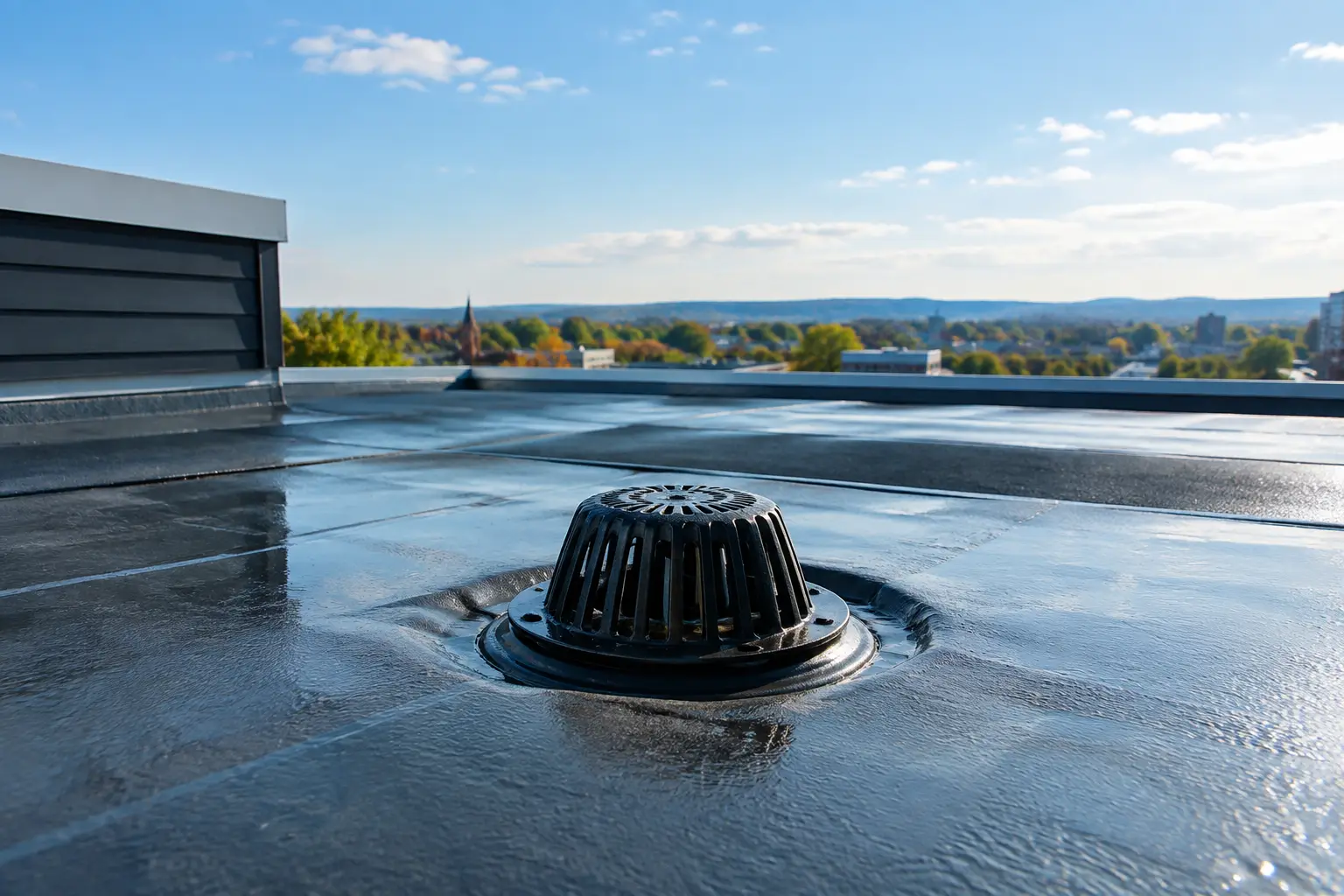
Even the best metal panel will underperform if the roof deck, underlayment, ventilation, flashing, and drainage are not addressed. This is especially true around chimneys, skylights, valleys, wall transitions, pipe penetrations, and low-slope areas where water management is critical.
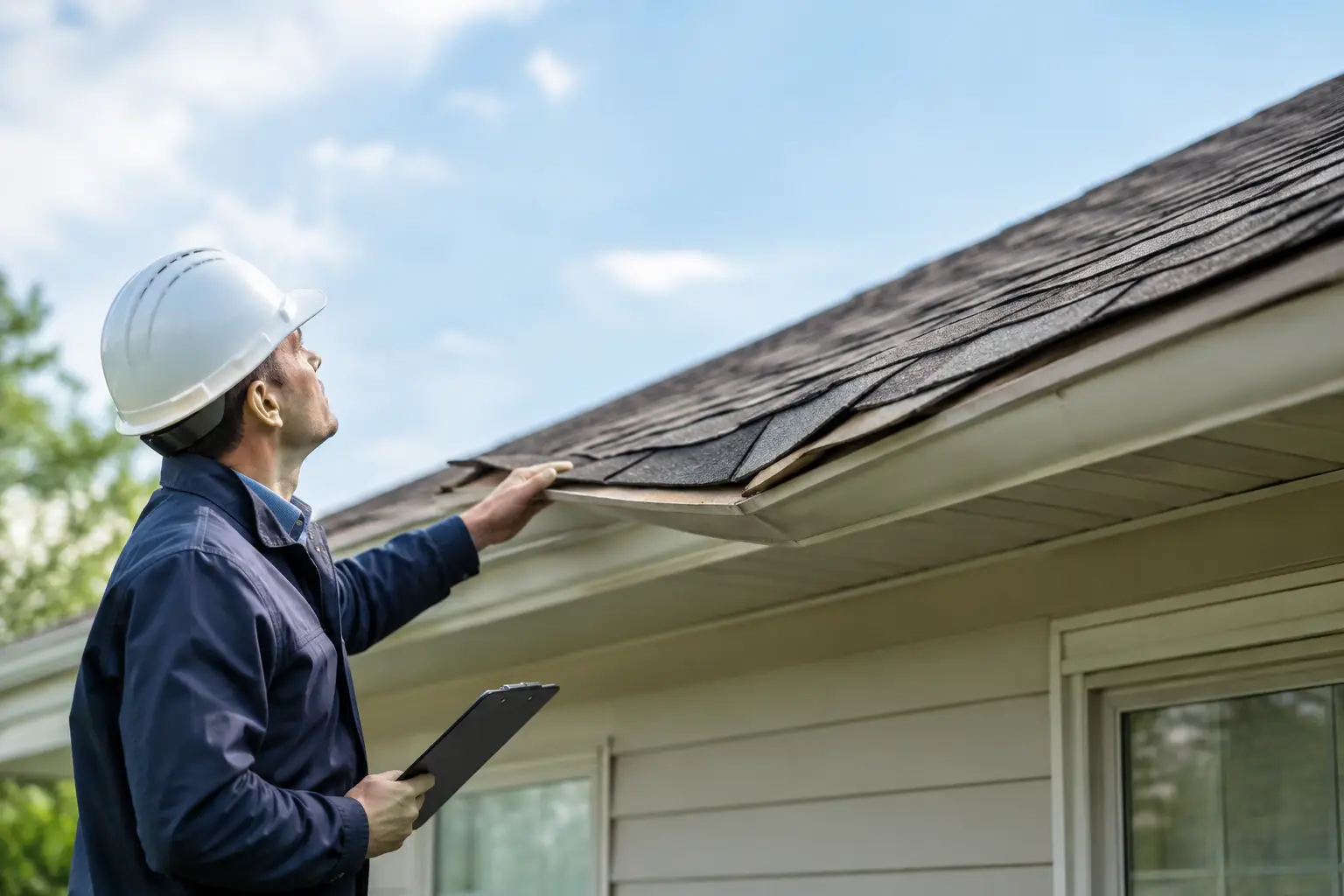
A complete evaluation should begin beneath the existing roof surface. Contractors need to check for deck damage, trapped moisture, inadequate ventilation, and areas affected by past leaks. Installing a new roof over unresolved conditions can conceal problems temporarily while allowing them to worsen.
Metal roofs also expand and contract as temperatures change. Professional installation accounts for this movement through the correct clips, fasteners, panel lengths, trim details, and clearances. Poor fastening can lead to noise, oil canning, leaking, or premature wear at panel connections. These details are not visible from the street, but they influence how the roof performs for decades.
At Rick’s Main Roofing, the recommendation should start with the building itself: its age, roof pitch, structural condition, exposure, architecture, drainage, and repair history. A roof replacement is a significant project, and property owners deserve a clear explanation of the material options and the work required to install them properly.
When Metal Roofing May Not Be the Best Choice
Metal roofing is highly versatile, but there are situations where another system may be more appropriate. A complex roof with numerous dormers, valleys, and penetrations can increase fabrication time and installation cost. A low-slope commercial roof may be better served by a properly designed membrane system than by architectural metal panels. Owners trying to match an existing historic roof may need slate, cedar, or another material to meet the property’s requirements.
Noise is another concern often raised by homeowners. With a properly designed roof assembly, insulation, deck, and attic space, rain noise indoors is generally not dramatically different from other roofing materials. Still, the assembly should be discussed before installation, particularly when living spaces sit directly below the roof deck.
The best roofing choice is the one that fits the property, not the one with the most appealing marketing claim. A detailed inspection and a written scope of work help make that decision with confidence.
For owners who want long-term protection, distinctive curb appeal, and a roof designed to stand up to demanding Northeast weather, metal is worth evaluating carefully. The right system begins with a close look at the building and ends with workmanship that gives every panel, flashing, and drainage detail a purpose.