

A roof in Fairfield County has to withstand more than ordinary wear. Winter freeze-thaw cycles, wind-driven rain, wet spring weather, humid summers, falling branches, and coastal salt exposure can all shorten its service life. The best ways to extend roof life are not complicated, but they do require consistent attention before small defects turn into leaks, rot, and premature replacement.
For homeowners, property managers, and commercial building owners, the goal is not simply to make a roof last as long as possible. It is to keep the entire roofing system protecting the structure as it was designed to do. That means caring for shingles or membrane, flashing, gutters, ventilation, insulation, and drainage together.
Start With Regular Professional Roof Inspections
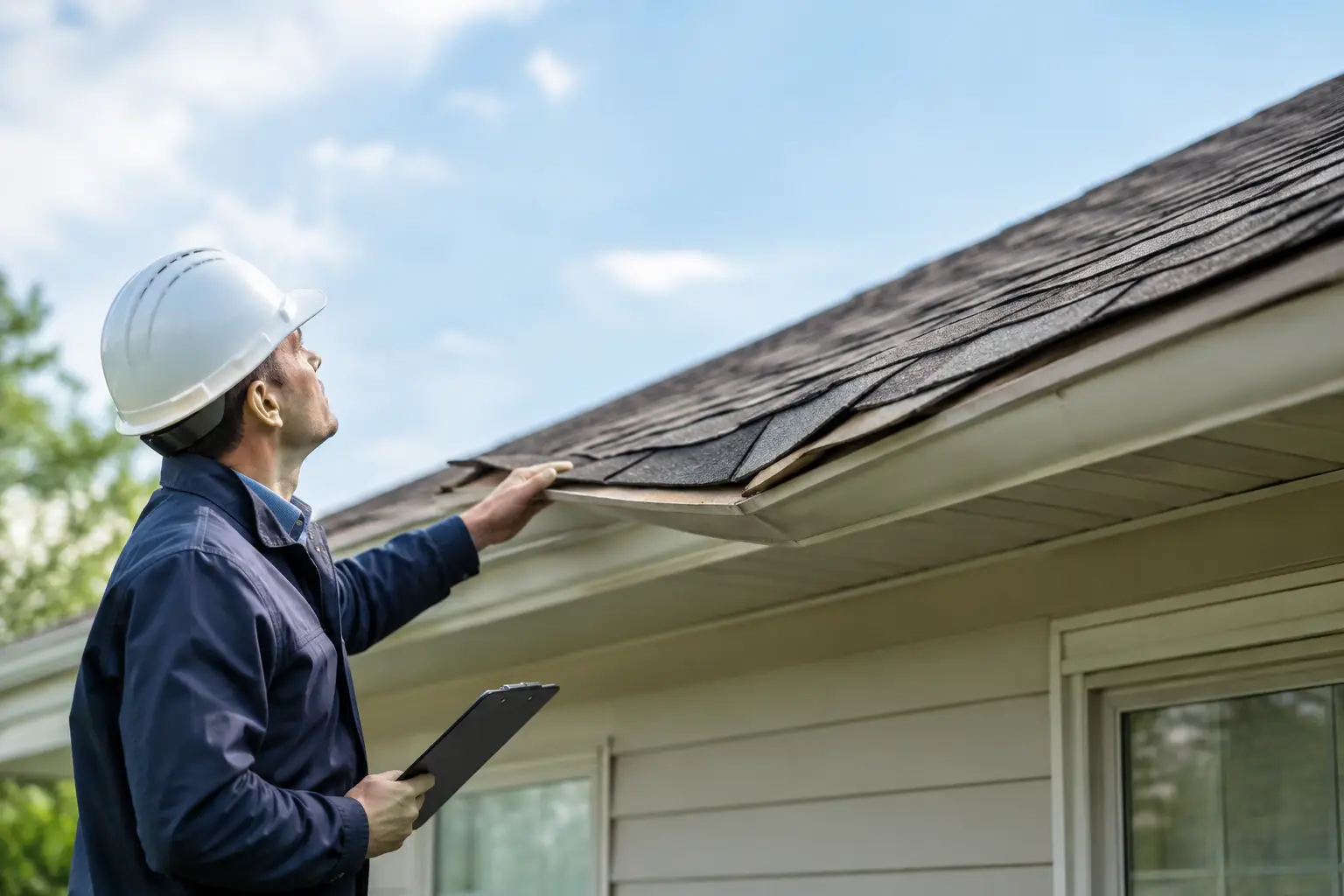
A roof inspection is one of the most cost-effective forms of maintenance. Many roof problems begin in places that are difficult to see from the ground: around chimney flashing, skylights, vent pipes, valleys, wall transitions, and roof edges. A minor opening in one of these areas can allow water beneath the roofing material long before a stain appears on an interior ceiling.
Most Connecticut properties benefit from a professional inspection at least once a year, preferably before winter or after the harshest weather has passed. Commercial and low-slope roofing systems may need more frequent reviews, particularly where rooftop equipment, drains, seams, or foot traffic are involved.
An inspection should assess the condition of the roof covering, flashings, sealants, gutters, ventilation components, attic moisture, and any evidence of storm impact. It also creates a record of the roof’s condition over time, which helps owners make planned decisions instead of reacting to an emergency.
Keep Gutters, Downspouts, and Drains Clear
Water should leave the roof quickly and predictably. When gutters fill with leaves, shingle grit, or debris, rainwater can back up under the roof edge. In winter, that trapped water can freeze, contribute to ice dams, and force moisture into vulnerable areas of the roof deck.
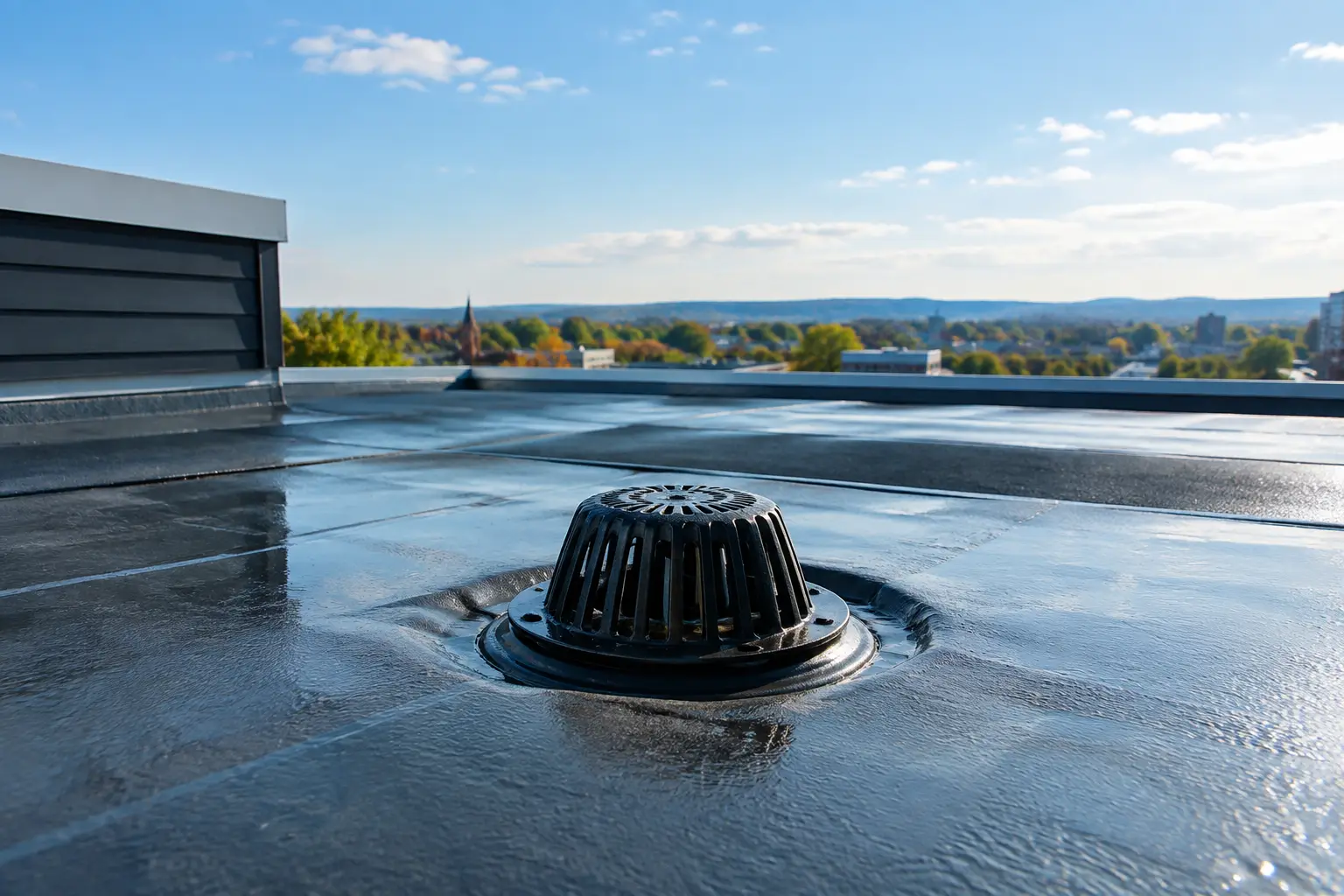
Clean gutters at least twice each year, with additional service when a property has mature trees nearby. Confirm that downspouts direct water away from the foundation and that extensions are not crushed, disconnected, or blocked. On flat and low-slope commercial roofs, roof drains and scuppers deserve the same level of attention. Ponding water adds unnecessary stress to roofing materials and can expose seam or drainage problems.
Gutter guards can reduce debris buildup in some situations, but they are not maintenance-free. They still need periodic inspection, especially after heavy leaf fall or storms.
Address Small Roof Repairs Promptly
A missing shingle, lifted flashing edge, cracked pipe boot, or separated membrane seam may seem minor. Left untreated, each can become a path for water intrusion. Once water reaches roof decking, insulation, framing, or wall cavities, the repair scope and cost can increase quickly.
Prompt repair is especially important after a windstorm or a winter freeze. Asphalt shingles can loosen, cedar shakes can split, metal fasteners can back out, and sealants around penetrations can deteriorate. A roof may still look acceptable from the yard while having damage in a localized area.
Avoid the temptation to apply caulk as a permanent fix for every visible issue. Sealant has a role in roofing, but it does not replace properly installed flashing, compatible materials, or a sound roof system. A professional repair identifies why the problem developed and corrects the underlying issue where possible.
Maintain Healthy Attic Ventilation and Insulation
The condition of the attic has a direct effect on roof life. Inadequate ventilation can trap excessive heat and moisture beneath the roof deck. During summer, high attic temperatures can accelerate aging in asphalt shingles. During winter, warm indoor air that escapes into a cold attic can condense on framing and roof decking, creating conditions for mold, wood deterioration, and ice dams.
A balanced system typically combines intake ventilation near the eaves with exhaust ventilation near the ridge or roof peak. The right approach depends on roof shape, attic layout, insulation levels, and local conditions. Houses with cathedral ceilings, finished attic spaces, or complex rooflines often require more careful evaluation.
Insulation matters just as much. Air leaks around recessed lights, attic hatches, plumbing penetrations, and ductwork can move warm, moist air into the attic. Sealing those leaks and maintaining appropriate insulation helps stabilize attic temperatures while reducing energy loss. Ventilation should never be blocked by insulation or debris.
Prevent Ice Dams Before Winter Arrives
Ice dams are a familiar Connecticut roofing concern. They form when snow on the upper roof melts, runs down to a colder eave, and refreezes. As the ice ridge grows, water can back up beneath shingles and enter the roof assembly.
The best defense is prevention, not repeated emergency removal. Before winter, make sure gutters are clean, attic air leaks are addressed, insulation is performing properly, and ventilation is clear. Tree limbs should also be trimmed away from the roof so they do not deposit excess debris or break under snow and ice loads.
If an ice dam is actively causing a leak, do not use an axe, chisel, or sharp metal tool to break it apart. That can damage shingles, gutters, and flashing. Professional assessment is the safer way to address the immediate water issue and determine what is causing the recurring condition.
Control Moss, Algae, and Debris Safely
Shade, moisture, and organic debris create conditions for moss and algae growth, particularly on north-facing slopes and roofs under heavy tree cover. Algae is often cosmetic, but moss can retain moisture against the roof surface and lift the edges of shingles or shakes as it grows.
Remove leaves, small branches, and accumulated debris with methods appropriate for the roof material. Do not pressure wash asphalt shingles, cedar, slate, or many low-slope membranes. High-pressure water can remove protective granules, drive water beneath roofing materials, loosen components, and void manufacturer coverage in certain cases.
The correct cleaning method depends on the roof. Asphalt, cedar, slate, metal, and rubber roofs all have different maintenance needs. A treatment that is suitable for one system may harm another, which is why material-specific guidance matters.
Protect Flashing and Roof Penetrations
Roofing materials may receive most of the attention, but flashing is where many leaks begin. Flashing directs water away from intersections around chimneys, dormers, skylights, sidewalls, valleys, and vent pipes. It must remain securely integrated with the roofing system as materials expand, contract, and weather over time.
Have flashings checked whenever you schedule roof service. Chimney masonry should also be monitored, since cracked mortar, deteriorated crowns, and faulty chimney caps can allow water into areas that look like a roof leak from inside the home. For commercial properties, curbs around HVAC units, drains, and other rooftop penetrations should be inspected closely.
Be Careful With Rooftop Work and Add-Ons
Satellite equipment, solar installations, new vents, HVAC work, holiday decorations, and even repeated foot traffic can create risk if roof penetrations are not detailed correctly. Any contractor working on or near the roof should understand how to protect the existing system and restore waterproofing at every attachment point.
Before adding solar panels or rooftop equipment, assess the roof’s remaining life. Installing equipment over an older roof may mean paying to remove and reinstall it when replacement becomes necessary. In many cases, completing a roof replacement first is the more practical long-term decision.
Know When Maintenance Is No Longer Enough
Maintenance can extend service life, but it cannot make a failing roof new again. Widespread shingle granule loss, recurring leaks, extensive curling or cracking, soft decking, failing seams, chronic ponding water, and repeated repair needs can indicate that replacement is the more responsible option.
Age matters, but it is not the only factor. A well-maintained roof can outlast a neglected roof of the same material, while a roof exposed to coastal wind and salt may age differently than one farther inland. A qualified inspection can separate a repairable issue from a system that has reached the end of its dependable service life.
A dependable maintenance plan gives property owners time to make informed decisions rather than facing avoidable damage during the next storm. For a roof assessment tailored to local conditions and your specific roofing material, Rick’s Main Roofing can help identify practical repairs and maintenance priorities before a small issue becomes a major disruption.