

A leak over a production floor, retail space, office, or apartment building can quickly become more than a roofing problem. It can interrupt operations, damage inventory, create safety concerns, and put pressure on a facility budget. When weighing commercial roof coating versus replacement, the right answer depends on the roof’s actual condition, not simply which option has the lower upfront price.
A coating can be an effective way to extend the service life of a qualifying commercial roof. Replacement is the sounder investment when moisture, structural concerns, or widespread deterioration have compromised the system. A professional inspection is the step that separates a useful restoration plan from a temporary fix.
When a Commercial Roof Coating Makes Sense
A commercial roof coating is a liquid-applied system installed over an existing roof surface. Once cured, it creates a continuous protective layer that can help resist water intrusion, ultraviolet exposure, and normal weathering. Depending on the system and roof type, coatings may be used on low-slope roofs such as modified bitumen, built-up roofing, metal, and certain single-ply membranes.
Coating is generally worth considering when the existing roof is still structurally sound and has not suffered extensive water saturation. The roof may show surface wear, minor cracking, aging seams, fading, or isolated leak areas, yet still have a stable substrate beneath it. In that situation, careful repairs followed by a compatible coating can restore protection without removing the full roofing assembly.
For many property owners, the biggest appeal is disruption. Coating work is often less invasive than a complete tear-off, which can matter for occupied buildings, active warehouses, medical offices, schools, and retail locations. It also produces less tear-off debris and may be completed more quickly than a replacement, depending on weather and roof size.
Reflective roof coatings can also reduce heat absorption. On commercial buildings with significant roof exposure, that may help moderate roof-surface temperatures and support more efficient cooling performance during warmer months. The benefit varies based on insulation, HVAC design, building use, and the coating selected, so it should be considered one factor rather than a guaranteed utility-cost calculation.
A coating is only as good as the roof beneath it
Coatings do not correct trapped moisture, failing insulation, deteriorated decking, or major drainage problems. Applying a coating over a wet or unstable roof can conceal issues temporarily while allowing damage to continue below the surface.
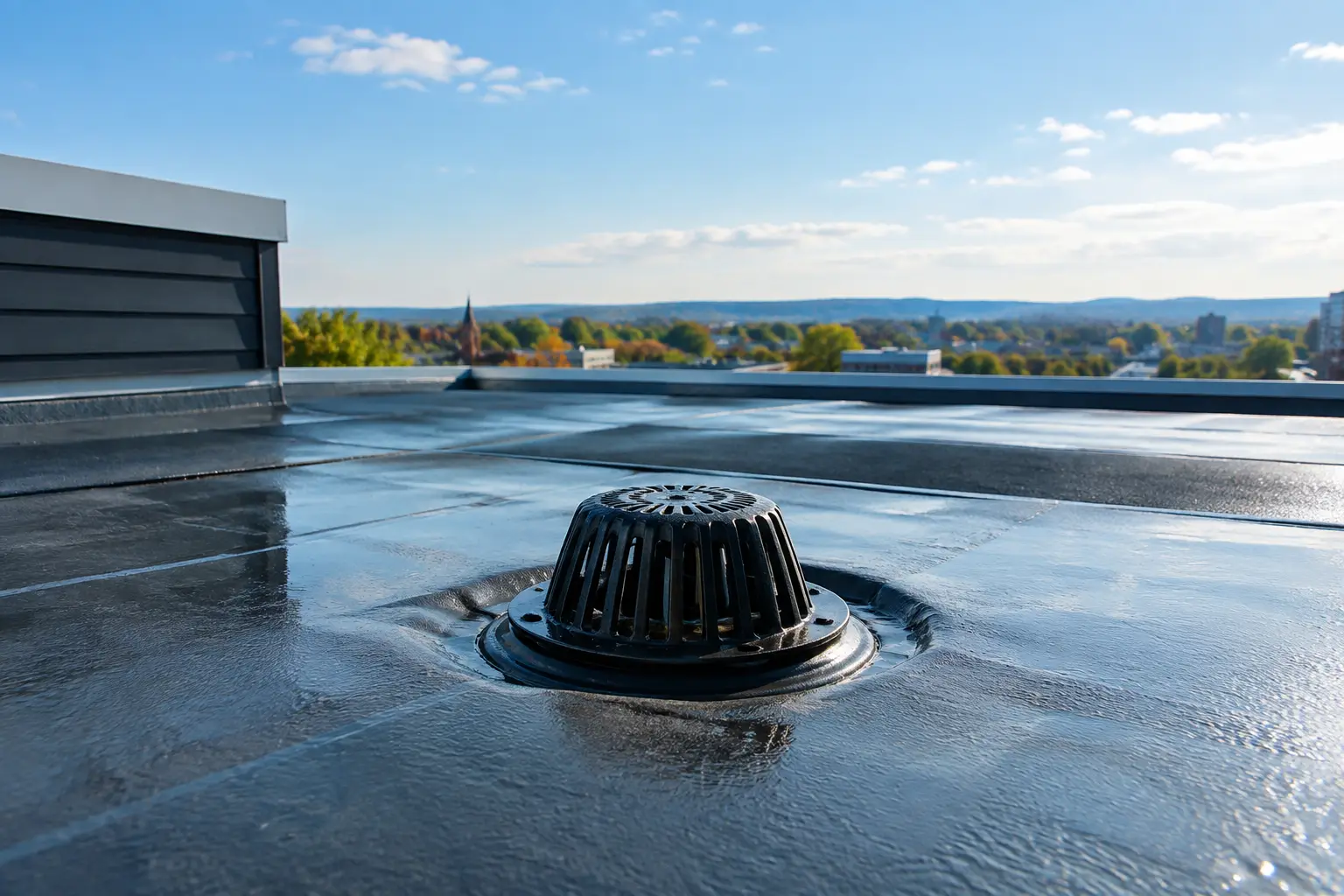
Preparation matters just as much as the coating itself. The roof must be cleaned, dry, properly repaired, and compatible with the selected material. Seams, penetrations, flashing details, drains, and areas around rooftop equipment need close attention. A roof coating is not paint. It is a roofing system that requires the right application process and thickness to perform as intended.
When Commercial Roof Replacement Is the Better Decision
Replacement becomes the responsible choice when the existing roof has reached the end of its useful service life. If leaks are recurring across multiple areas, insulation is wet, seams are failing broadly, or the roof deck has been affected, a coating will not provide the long-term protection the building needs.
A full replacement allows the contractor to remove failed materials, inspect the roof deck, address concealed deterioration, improve drainage details, and install a new system designed for the building’s needs. This is particularly important for roofs with chronic ponding water, storm-related damage, extensive blistering, membrane shrinkage, or prior repairs layered over years of service.
Replacement also creates an opportunity to evaluate the entire roof assembly. The team can assess insulation performance, flashing transitions, penetrations, edge metal, and ventilation where applicable. For a commercial property owner planning to hold a building for years, this broader reset may deliver greater confidence and fewer surprise repair costs than repeatedly extending a failing roof.
The upfront investment is higher, and replacement can require more planning around tenant access, equipment protection, noise, and scheduling. Still, the cost of delaying necessary replacement can be far greater if moisture reaches the deck, interior finishes, electrical systems, or valuable business assets.
Commercial Roof Coating Versus Replacement: The Key Decision Factors
The decision should be based on evidence gathered during a detailed roof inspection. Age matters, but it is not the only measure of remaining life. Some roofs age well with regular maintenance, while others fail early because of drainage issues, installation defects, coastal exposure, or storm damage.
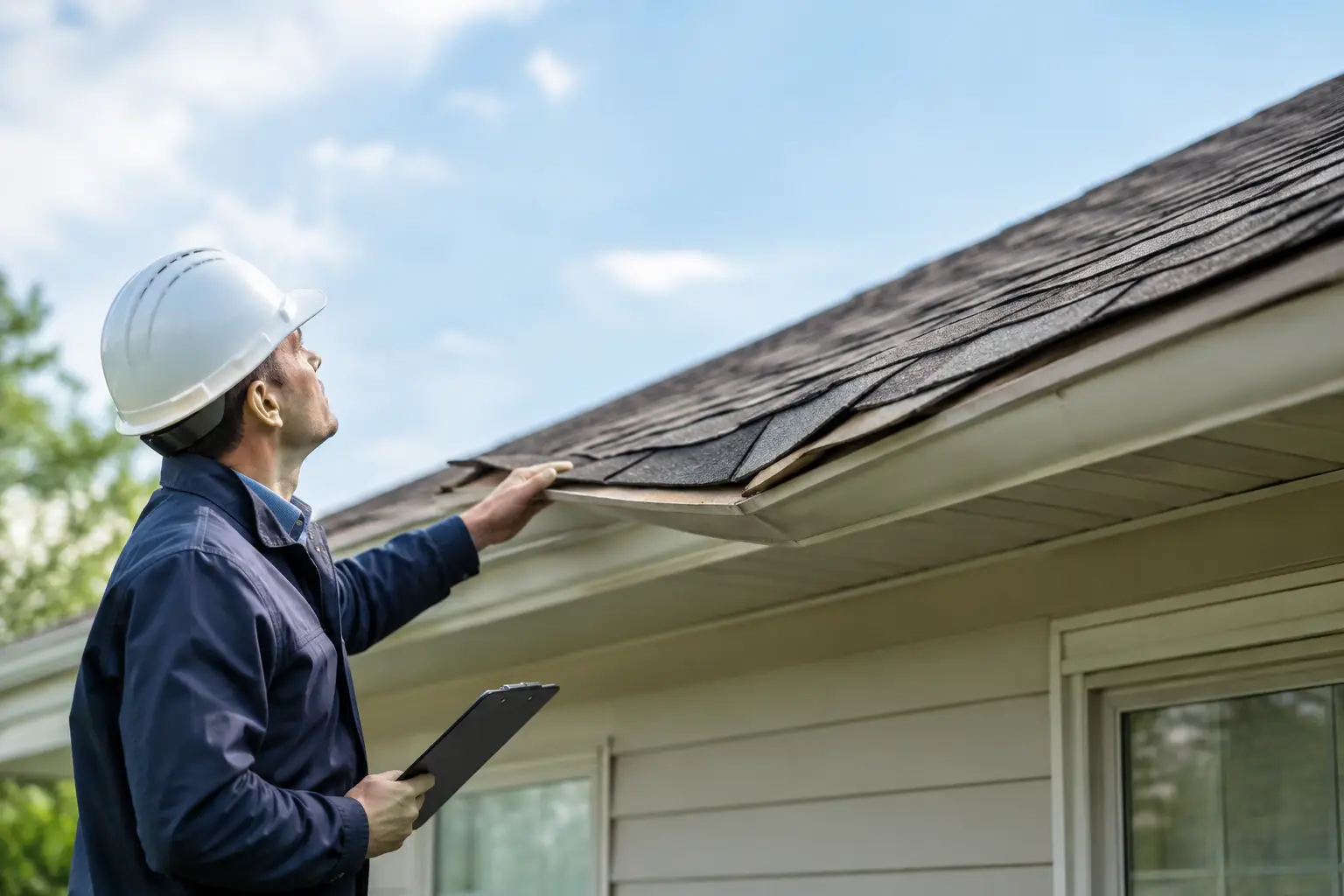
A qualified commercial roofing contractor will look beyond visible leak points. Moisture detection can help identify saturated insulation beneath the membrane. Core samples may be appropriate in some cases to evaluate the roof assembly. The inspection should also identify whether problems are isolated or systemic.
Consider the following questions during the decision process:
- Is the roof deck sound, and is the insulation largely dry?
- Are leaks limited to repairable details, or are they appearing in multiple areas?
- Does the roof have adequate drainage, or does water regularly pond after rainfall?
- Is the existing membrane compatible with a coating system?
- How long do you need the roof to perform before a larger capital project is planned?
- Would a replacement reduce ongoing repair costs and operational risk?
A coating often makes sense when it is part of a planned maintenance strategy for a roof that remains in serviceable condition. Replacement is usually the better value when the roof is failing from the inside out. The goal is not to choose the least expensive option this quarter. It is to make the decision that protects the property over the appropriate time horizon.
Connecticut Weather Changes the Equation
Commercial roofs in Norwalk, Fairfield County, and nearby Connecticut communities face a demanding mix of conditions. Freeze-thaw cycles can stress seams and flashing. Heavy rain can expose drainage deficiencies. Coastal wind and salt exposure can accelerate wear on certain materials and metal components. Snow and ice can create added load and allow water to work into vulnerable roof details.
These local conditions make regular inspections especially valuable. A roof that appears acceptable from the ground may have open seams, deteriorated sealant, or drainage issues that become more serious after a harsh winter or severe storm. Prompt repairs can preserve a roof that is still a good candidate for coating. Waiting through multiple seasons of leaks can turn a restoration opportunity into a replacement project.
Property managers should also consider timing. A proactive inspection and capital plan provide more options than an emergency response after a major interior leak. When the roof is evaluated before failure becomes urgent, the contractor can recommend the right system, schedule work around building operations, and account for weather conditions.
Cost Should Be Measured Over the Roof’s Remaining Life
Coating generally costs less than replacement because it uses the existing roof as its foundation and avoids much of the removal and disposal work. But the lowest initial price is not always the lowest ownership cost. If a coated roof requires recurring repairs because underlying moisture or system failure was never addressed, the property owner may pay twice.
Replacement has a larger initial cost but can offer a new system warranty, a longer expected service life, and the opportunity to correct underlying conditions. For buildings with extensive damage or a roof near failure, those advantages often justify the investment.
A useful comparison should account for the roof’s condition, expected life after work is completed, repair history, interruption risk, insulation needs, and future property plans. A contractor should be able to explain why a coating is appropriate or why replacement is necessary, with clear findings rather than vague recommendations.
Start With a Roof Assessment You Can Trust
The best commercial roofing decision starts with an honest assessment of what is happening above the ceiling. At Rick’s Main Roofing, commercial property owners receive practical recommendations based on the roof system, visible conditions, water intrusion risks, and the building’s operational needs.
If restoration is viable, it should be performed with thorough preparation and compatible materials. If replacement is needed, the project should be planned to protect the building, occupants, and long-term investment. A timely inspection gives you the information to act before a manageable roofing decision becomes an emergency.