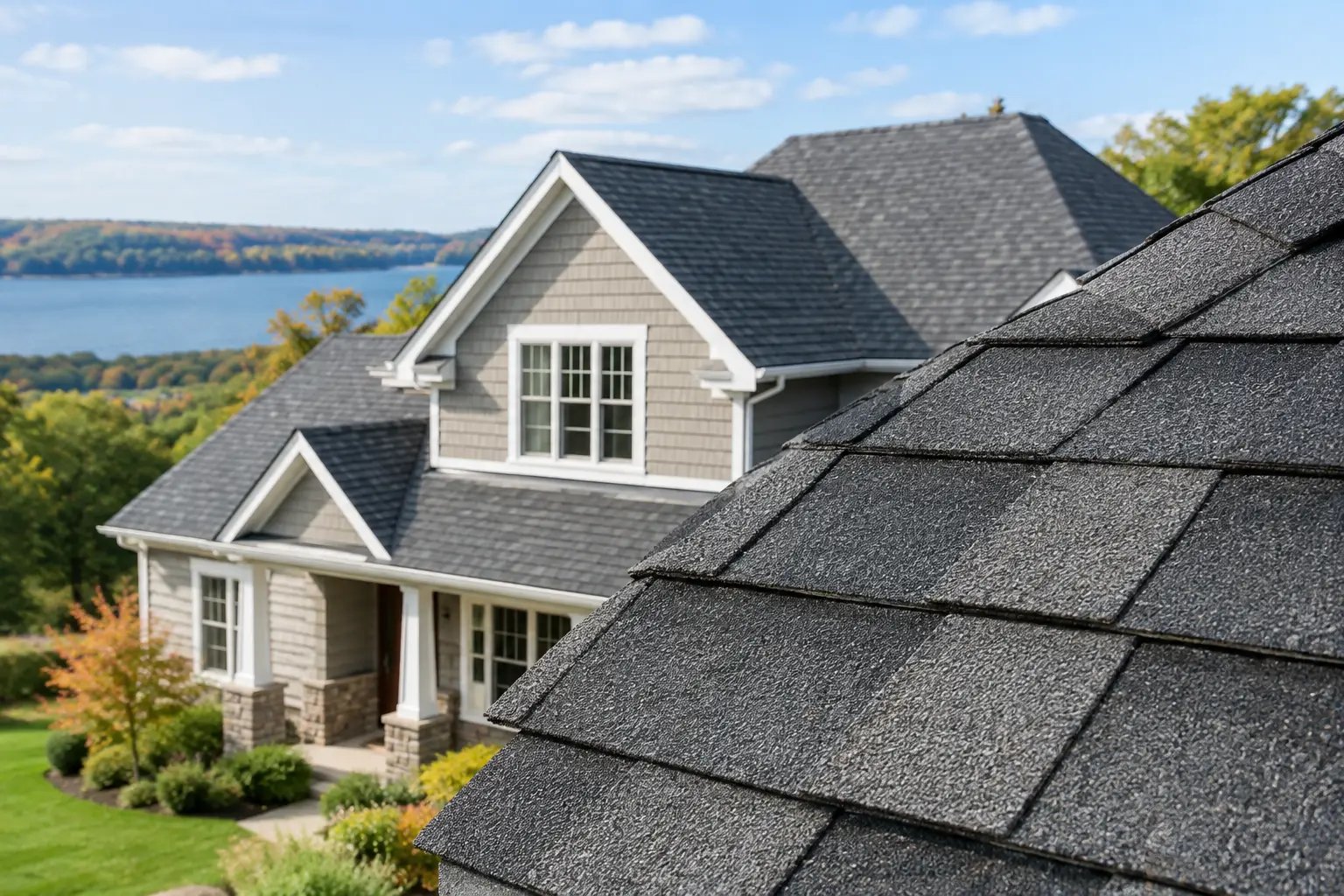


Maintaining your roof clean not only makes your property look appealing, but it also allows you to maintain the life of your home. Dust, lichens, molds, and debris may accumulate over the years and cause runoffs, staining, and rotting of the shingles.
When cleaning a shingle roof, we ensure that your roof doesn’t just look great, but that it is also durable and solid in order to keep your house appealing and dependable for many years to come.
In this article, we will discuss the safest ways to clean roof shingles, including the products needed and tips on how to stay safe during the process.
What Is the Best Way to Clean a Roof
Roof cleaning can also be performed in a variety of ways, varying with the shingle type and the infestation level of the algae or moss. Asphalt shingles are easier to clean with chemicals, intermediate detergents, or even water. To avoid damage to the surface, slate, tile, and wood shingles should be worked with some gentler means.
Most roofs can be washed with soft washing, which does not damage the surfaces on the roof, instead removing dirt, algae, and moss. Thus, avoid using high-pressure washers, which can literally wash off the granules of shingles and cause leakage.
It is advised that you only apply an appropriate roof shingle cleaner or suitable shingle roof cleaning products to achieve a good result.
How to Clean Asphalt Roofing
However, proper cleaning of asphalt shingles will ensure that your roof looks good and doesn’t have any ugly materials aggregate in the long run. You should make the following related actions:
1. Remove Loose Debris
Dust greatly makes the cleaning solution more effective. We recommend sweeping or blowing before vacuuming, as it makes the job a lot easier.
2. Check for Roof Damage
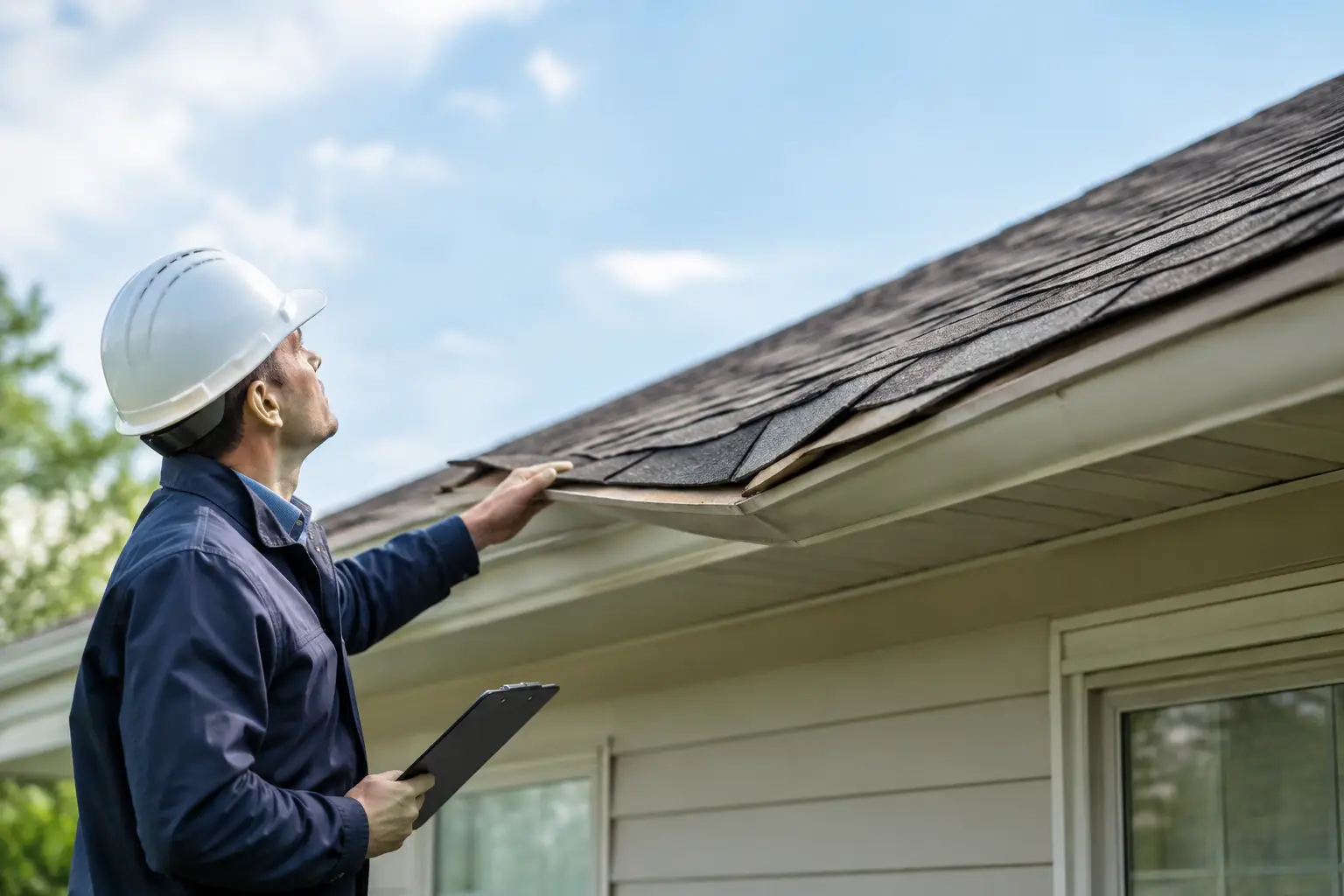
Once the debris has been cleaned off, inspect your shingles for cracks between them or loose shingles, or worn patches of roofing. As stagnancy develops in tight spaces or areas not easy to access, these are also addressed before cleaning is performed.
3. Protect Surrounding Plants
Plastic sheets are used to cover objects around plants and landscapes. Doing this will ensure that the cleaning solution does not kill flowers, shrubs, or grass.
4. Make the Solution
Select a shingle cleaner that is designed to be applied to asphalt shingles or combine water with a low-sulfur detergent. A light formula cleans your shingles and also removes dirt, moss, or algae.
5. Apply the Cleaner
You could use a pump sprayer to apply an even solution. Use a sprayer or hire a professional to ensure even coverage.
6. Let the Cleaner Work
Leave the solution to break through dirt, moss, or algae for 15-20 minutes. This makes scrubbing easier and more effective.
7. Gently Scrub
To treat the stiff moss or stain, apply the soft-bristle brush to rub against the surface. Do not scrub too strongly, which can destroy the shingles.
8. Rinse Thoroughly
Wash the roof surface with a garden hose on low pressure. This removes the cleaner and debris without loosening the shingles.
9. Inspect and Repeat if Needed
Look for any trace dirt or moss. Reapplying to difficult areas and rinsing again may be necessary for a complete clean.
10. Clean Gutters and Downspouts
Finally, you’ve to wash out your gutters and downspouts to remove debris. This helps the proper drainage of water and prevents possible buildup of roofing in the future.
Cleaning Roof Shingles with Bleach
Chlorine bleach or pool shock is an effective shingle algae killer.
- Solution: Add one pound of pool shock for every gallon of water
- Apply: spray the affected zones with the algae and allow the solution to rest for 20-30 minutes.
- Rinse: This should be done softly using a garden hose by laying down pieces of plastic material to absorb the water and keep the plants and grass dry.
- Safety Precautions: Wear protective coveralls that cover hands, eyes, goggles, and nose and mouth completely. You should always consider the instructions of the manufacturer. Similarly, before applying all over the roof, be sure to apply on a small area to test.
Another way you can clean the gutters is by pouring 1 cup of pool shock per gallon of water and then soaking it at a time of 15-20 minutes, and running it through the gutters. Other non-toxic bleaches are oxygen bleach, chlorine bleach, or products with peroxide as the cleaning agent.
Cleaning Roofs with Uncommon Shingles
Not all roofs are constructed from asphalt. Different shingles have different needs for care to remain clean and undamaged.
1. Clay Tiles
Add mild dish soap combined with water, and wipe the surface off. Rinse thoroughly with water. Do not apply harsh chemical products, which may destroy the tiles.
2. Slate Tiles
Slate tiles are extremely low maintenance and can be washed only with water and a mild detergent, and a soft brush. This stone is brittle, so careful handling of the stone is recommended.
3. Wood Shingles
Clean stains with 3 parts water for every one part bleach. Or clean it lightly using a soft brush. Never power wash, which will undercut and destroy the wood.
4. Cedar Shakes
Wash with water and wood-safe cleaner. It is easy to scrub and resists algae growth. Don’t use bleach; this will destroy the porous wood.
Roof Cleaning Safety Tips
Cleaning your roof maintains your roof in a good state and in a nice condition, but it is risky if you are not cautious. Wearing safety measures protects you from falling, injury, and chemicals. Simple and safe advice that will ensure the roof cleaning task is a success without any incidents.
- No Walking on Wet Roofs: Shingles that are covered with water are very slippery. Instead of walking across a wet area, have someone hold the ladder for you.
- Surface Protection: When dealing with chemical disinfectants, wear a pair of safety gloves, long sleeves, long pants, eye protection, and a face mask.
- Safety of the ladder: The ladder must be put on a stable and flat surface. Get someone to hold it when you climb in. Do not reach too far or try to stretch too far to get into a place.
- Wear a Safety Harness: Anchored to a fixed point on all high or sloping roofs, the device stops you from injury in case of an unfortunate fall.
- When the weather is bad: The sterilization of tools must never be practiced amidst rainstorms, strong winds, snowy weather, or ice conditions, as this poses great risks of accidents.
- Hire a Roofer: If you are not confident enough about cleaning your roof on your own, it is wise to leave the task to experts like Rick’s Main Roofing. They can inspect the roof and advise you on the safest way to proceed with the roof cleaning.
Expand the Life of Your Roof by Cleaning It
Frequent cleaning can wear shingles, so preventive care is better. Trim back grass or vegetation where repeated injury from moss, algae, and refuse occurs.
A clean roof reflects the sun and prevents heat decomposition. And it prevents water pooling and decay. So by using the right shingle cleaning roof supplies, you can ensure that your shingles are well taken care of.
This also means that the bottom of your roof will benefit from regular cleaning and thus remain looking new. This saves you the expenses of repairs while keeping your house in good condition.
To Eliminate Risk, Hire a Professional
Professional roof cleaners like Rick’s Main Roofing are aware of what steps to take to safely clean shingles. They use the proper types of shingle roof cleaners and methods. They clean moss, algae, and dirt from the roof without harming the roof.
In fact, hiring a professional minimizes the risk of falls and errors by engaging a professional. They also know how to work with complex roofs and sharp angles. You can do it yourself, but you risk damaging property.
The best results, especially on sloping, delicate, or dirty roofs, will be obtained only by a professional. They’re time-saving and enjoyable as they enable you to relax even more.
Conclusion
A clean roof keeps the property in good shape and keeps the roof alive. Shingle roof cleaning removes algae, moss, and debris. The only way to reduce the possibility of damage and the need for costly repairs in your roofing is to pay regular attention to either using the appropriate cleaning compounds or consulting the professionals to make roof repairs on the hard-to-reach parts.
At Rick’s Main Roofing, we remove and clean algae, moss, and debris from roofs. Our roofing specialists use safe and effective techniques to protect and maintain your shingles.
In addition to leak repair and replacement, we also provide roof seasonal maintenance, making all homes secure and structurally sound for the season all year long throughout the Norwalk and communities nearby.
Frequently Asked Questions
1. Algae are prone to growing on my roof. How do I catch it early?
Inspect your roof and gutters regularly. Early detection permits shingle roof cleaning with a safe roof shingle cleaner that will avoid damaging the algae on the roof.
2. Can I pressure wash my asphalt roof?
Don’t pressure wash asphalt shingles. It strips away granules and peels shingles. Gentle shingle roof cleaning products are better to use for safe and effective cleaning.
3. How often should I clean my roof shingles?
You should get your roof cleaned by roofing experts at least once a year.