

A roof can look fine from the driveway while nearing the end of its service life. Curling tabs, missing granules, recurring leaks, and storm damage are clear warning signs, but choosing a replacement involves more than matching the color of the old roof. Knowing how to choose roof shingles means weighing Connecticut weather, the structure of the home, long-term cost, and the quality of the installation system.
For homeowners in Norwalk and throughout Fairfield County, the right shingle must stand up to wind-driven rain, freeze-thaw cycles, snow loads, ice dams, humid summers, and, in coastal areas, salt air exposure. The best-looking shingle is not automatically the best choice if it does not fit the roof’s slope, ventilation needs, or budget.
Start With the Roof, Not the Shingle Color
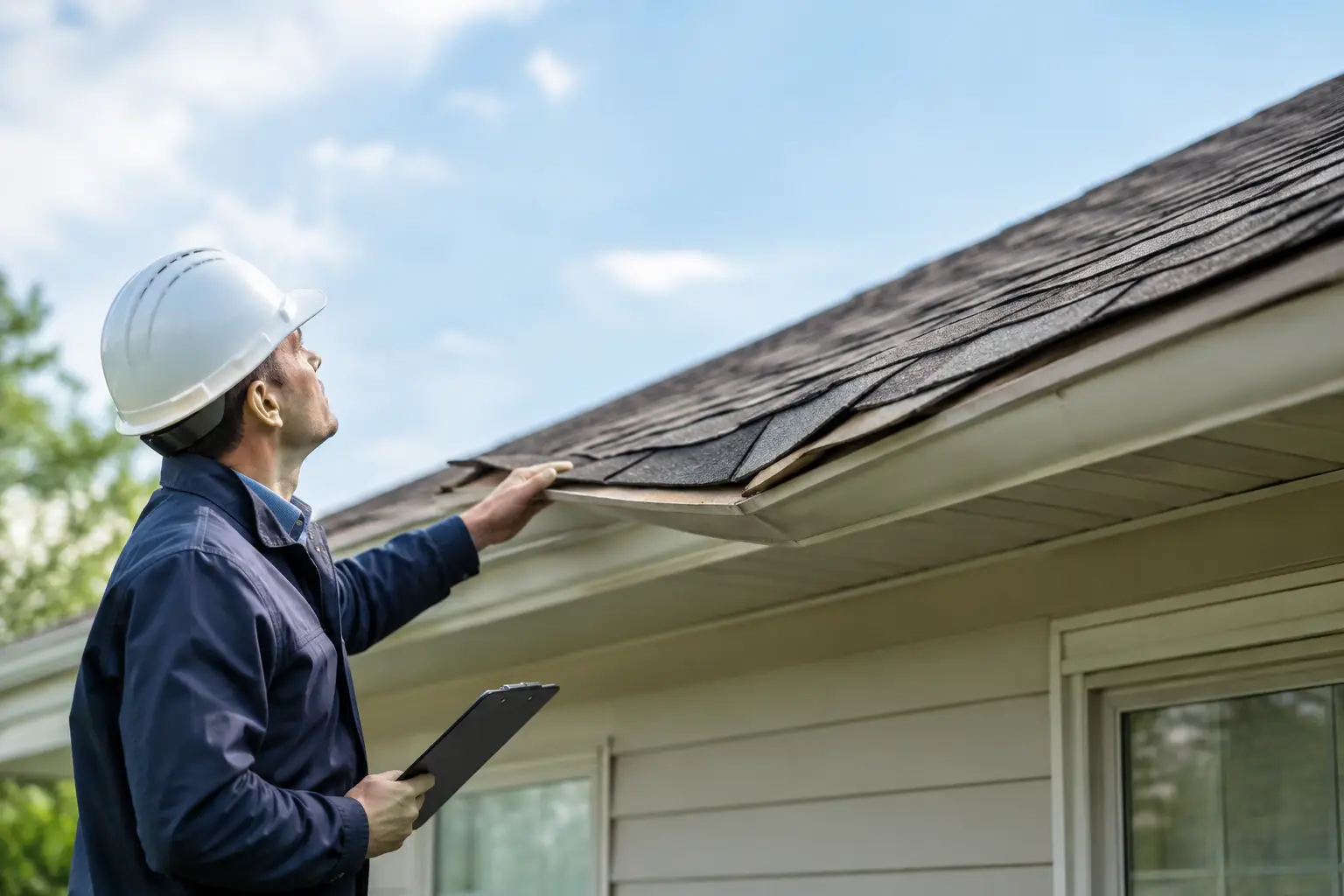
Before comparing product lines, have the roof inspected. A professional inspection identifies whether the issue is isolated damage that can be repaired or whether the roof needs full replacement. It also reveals conditions below the visible shingles, including soft decking, failing flashing, inadequate ventilation, or deteriorated underlayment.
These details affect both the material choice and the scope of work. For example, a roof with repeated ice dam damage may need improved attic insulation and ventilation along with ice and water protection at vulnerable eaves. Replacing shingles without addressing the cause can leave the new roof exposed to the same problem.
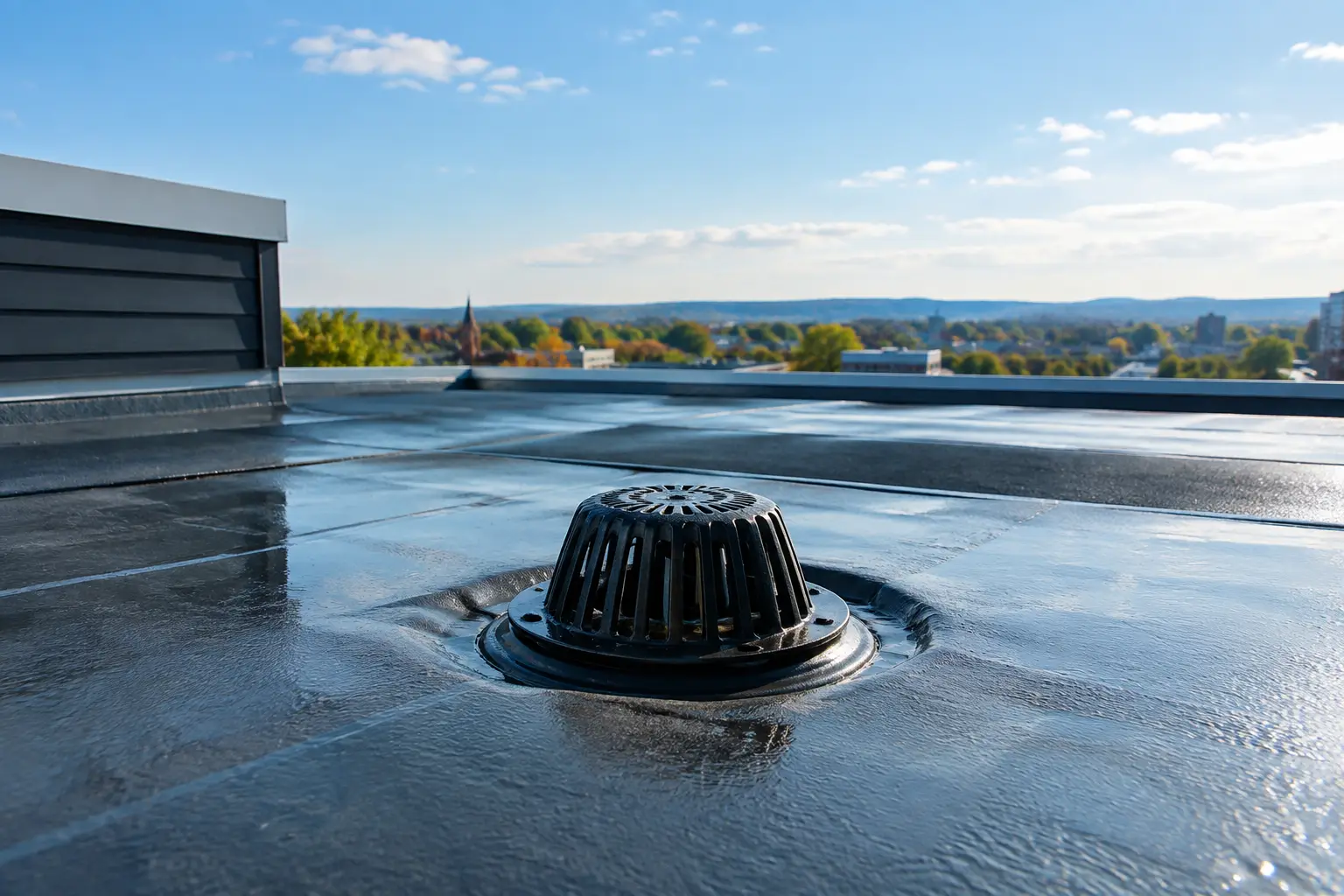
Roof pitch matters as well. Standard asphalt shingles perform well on many residential slopes, but low-slope sections often require a different roofing system. A qualified roofing contractor should evaluate transitions between steep and low-slope areas so water is directed correctly across the entire roof.
Choose a Shingle Type That Fits Your Priorities
Asphalt shingles remain the most common choice for Connecticut homes because they offer dependable weather protection, a broad range of styles, and practical pricing. Within that category, however, there are meaningful differences.
Three-tab shingles
Three-tab shingles have a flat, uniform appearance and are generally the most budget-conscious option. They can be appropriate for certain properties, but they typically offer less dimensional appearance and lower wind resistance than upgraded options. They are also less common in many replacement projects as homeowners choose more durable architectural styles.
Architectural shingles
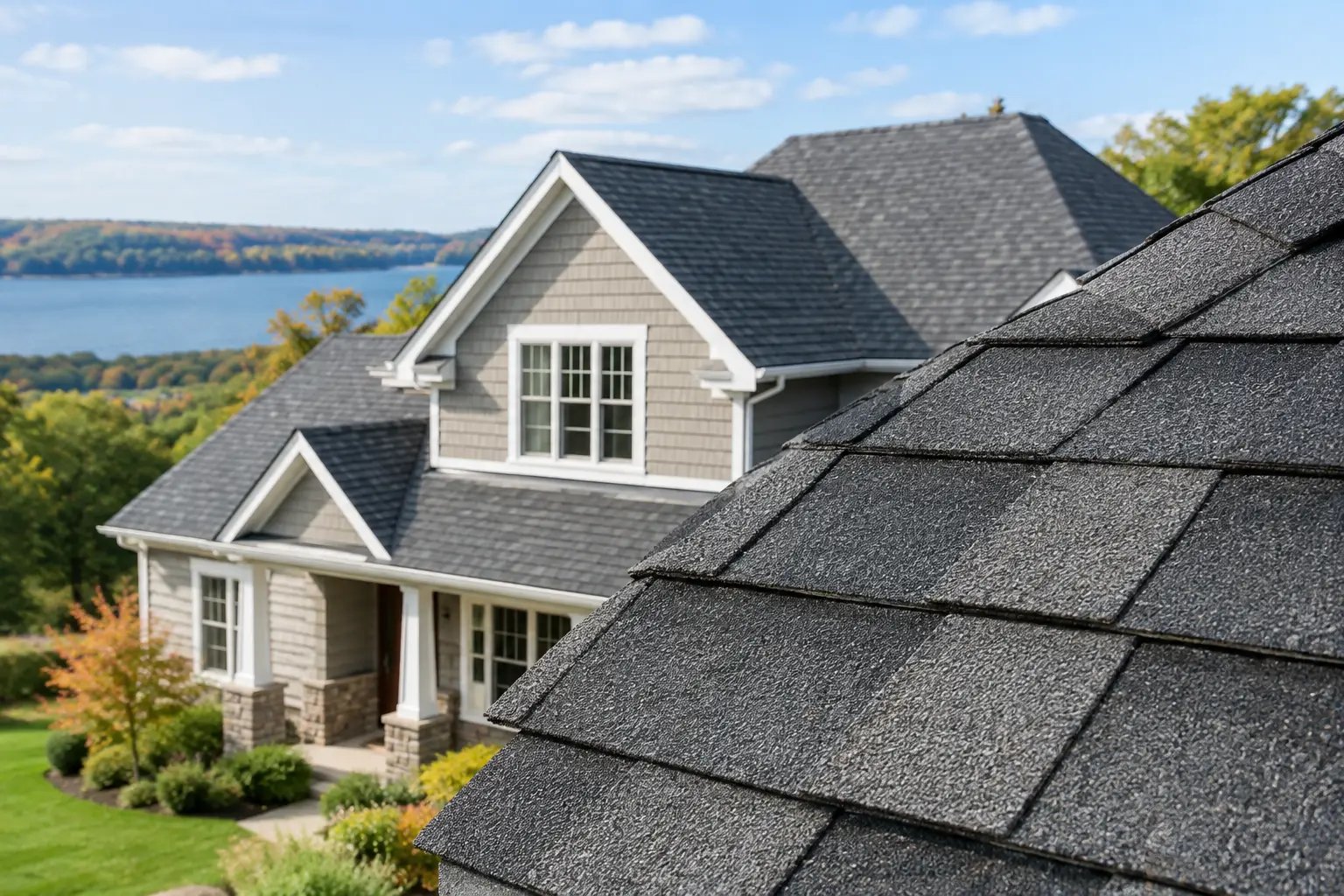
Architectural, or dimensional, shingles are thicker and layered to create more depth. They are a popular choice for homes throughout Fairfield County because they balance appearance, durability, and cost. Many are designed with stronger wind ratings and can provide a more substantial look than three-tab products.
For most homeowners replacing an aging asphalt roof, an architectural shingle is the practical starting point. It suits a wide variety of home styles and offers enough color and profile options to improve curb appeal without moving into premium specialty materials.
Designer shingles
Designer shingles provide more pronounced texture, shadow lines, and color blends. Some are made to resemble slate or cedar shake while avoiding the maintenance demands and weight associated with natural materials. They can be a strong option for higher-end homes where the roof is a major visual feature.
The trade-off is cost. A designer shingle may be worthwhile when appearance, resale value, and long-term ownership are priorities, but the added expense should make sense for the home and neighborhood.
Specialty roof materials
A shingle-style roof is not the only option. Cedar, slate, metal, and synthetic products can be appropriate for historic homes, coastal properties, and homes with a specific architectural character. Natural slate can last for generations, for example, but it requires a structure capable of supporting its weight and a contractor experienced in slate work. Cedar offers distinctive character but needs thoughtful maintenance in Connecticut’s wet and shaded conditions.
When considering a specialty material, look beyond the initial price. Installation expertise, structural requirements, repair availability, maintenance, and the appearance of adjacent roof sections all deserve attention.
Consider Connecticut Weather Exposure
A roof replacement in this area should be designed for local conditions, not selected from a showroom sample alone. Wind ratings are especially relevant for exposed properties and coastal locations. A higher wind-rated shingle can offer additional confidence during severe storms, but its performance depends on correct fastening, starter shingles, and edge detailing.
Ice dams are another common concern. When warm air escapes into the attic, it can melt snow on the roof. That water refreezes near colder eaves, creating a barrier that pushes water beneath shingles. Proper attic ventilation, insulation improvements where needed, and a quality ice and water barrier are often just as important as the shingle itself.
Dark shingles can absorb more heat, while lighter colors may help reduce heat gain during summer. That does not mean every Connecticut home should have a light roof. The attic’s ventilation and insulation, the home’s style, nearby tree cover, and personal preference all play a role. A color that works well on a sunny coastal home may look completely different on a shaded, wooded property.
Match Color and Profile to the Home
Roof color is a long-term decision. Shingles can last decades, so it helps to consider permanent exterior features such as brick, stone, siding, trim, gutters, and window color. Bring home samples and view them outdoors at different times of day. Indoor lighting and small swatches rarely show how a full roof will appear in natural light.
A blended gray, weathered wood, or charcoal roof can complement many traditional Connecticut homes. Brown and warm-toned blends often work well with natural stone, cedar siding, and earth-tone exteriors. Black creates a crisp, classic appearance but can look more severe on some homes. The right answer depends on the property, not a color trend.
Also consider the roof’s complexity. A simple gable roof may benefit from a shingle with stronger contrast and dimension. On a roof with many valleys, dormers, and intersecting planes, an overly busy pattern can compete with the home’s architecture.
Compare Total Value, Not Just the Shingle Price
The lowest estimate may not include the same level of protection as a complete roofing proposal. A properly installed roofing system includes more than field shingles. It should account for removal of old materials where appropriate, decking inspection, underlayment, leak barriers, flashing, ventilation components, starter materials, ridge caps, and site cleanup.
Ask what happens if damaged roof decking is found after tear-off. Confirm how flashing around chimneys, skylights, walls, and vents will be handled. These transition points are frequent sources of leaks, and they should not be treated as an afterthought.
Warranty comparisons also require care. Manufacturer coverage can vary by product and installation method, while workmanship coverage addresses the contractor’s installation. A longer warranty has value, but only when the roofing system is installed according to manufacturer requirements and by a contractor with the necessary qualifications.
Financing may help make a higher-quality roofing system more manageable, but it should support a sound decision rather than push a property owner into features that do not fit the home.
Installation Quality Determines Real-World Performance
Even a premium shingle can fail early if it is installed over damaged decking, poorly flashed, incorrectly nailed, or paired with inadequate ventilation. This is why contractor selection is central to how to choose roof shingles. The product and the installer should be evaluated together.
Look for a local roofing contractor with material-specific experience, established credentials, clear written estimates, and a record of working in Connecticut conditions. Ask who will oversee the work, how the property will be protected during tear-off, and what the response process is if a concern arises after installation. For older, historic, coastal, or complex homes, experience with that type of property is particularly valuable.
Rick’s Main Roofing brings experience across asphalt, cedar, slate, metal, rubber, and commercial roofing systems, allowing property owners to compare options based on the building’s actual needs rather than a one-material recommendation.
A new roof should provide more than a fresh exterior. Choose shingles as part of a complete system, have the underlying roof conditions evaluated carefully, and work with a contractor prepared to stand behind the workmanship when Connecticut weather puts that roof to the test.