

A ceiling stain after a hard rain is not always a sign that the entire roof has failed. But it is always a reason to act. Can a leaking roof be repaired? In many cases, yes – especially when the issue is found early and the roofing system is otherwise in sound condition. The key is identifying where water is entering, how long it has been happening, and whether moisture has already damaged the roof deck, insulation, framing, or interior finishes.
For homeowners and property managers in Norwalk and across Fairfield County, waiting for a leak to become obvious can turn a manageable repair into a much larger project. Connecticut roofs contend with wind-driven rain, snow loads, ice dams, changing temperatures, and, near the coast, salt-air exposure. A professional inspection can separate a localized defect from a roof that has reached the end of its service life.
Can a Leaking Roof Be Repaired?
A leaking roof can often be repaired when the source is isolated and the surrounding materials remain structurally sound. Common repairable problems include missing or damaged shingles, cracked pipe boots, loose flashing, failed sealant around roof penetrations, damaged ridge caps, and small areas of storm damage.
A repair should do more than cover the visible opening. The contractor needs to trace the path of the water, inspect the underlayment and roof deck, and check vulnerable transitions such as chimneys, skylights, valleys, dormers, vents, and wall intersections. Water may travel along framing or beneath roofing layers before it appears indoors, so the stain on a ceiling is not always directly below the leak.
When the damaged area is limited, a proper repair can restore protection without the cost and disruption of a full replacement. This is often the right answer for newer roofs, roofs with plenty of remaining useful life, and leaks caused by a specific weather event or failed component.
Signs a Targeted Repair May Be Enough
A repair is generally a practical option if the roof is relatively young, the leak has a clear cause, and the decking beneath the affected area is dry and solid. For example, replacing several wind-lifted asphalt shingles, rebuilding flashing around a chimney, or correcting a cracked rubber roof seam can stop water intrusion effectively.
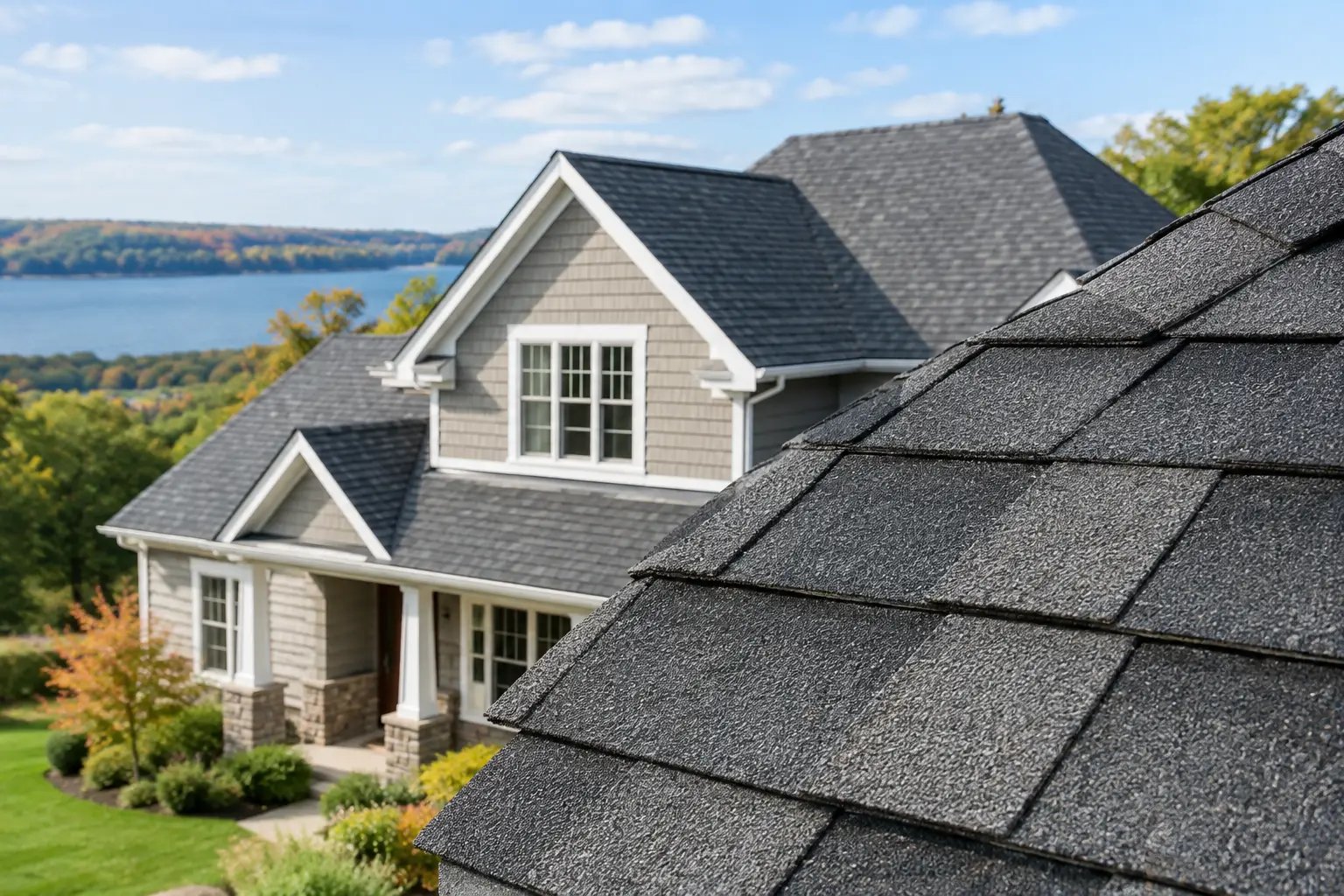
The condition of the rest of the roof matters just as much as the damaged spot. If shingles are lying flat, granule loss is limited, flashing is generally intact, and there are no widespread soft areas or recurring leaks, an isolated repair may offer reliable value.
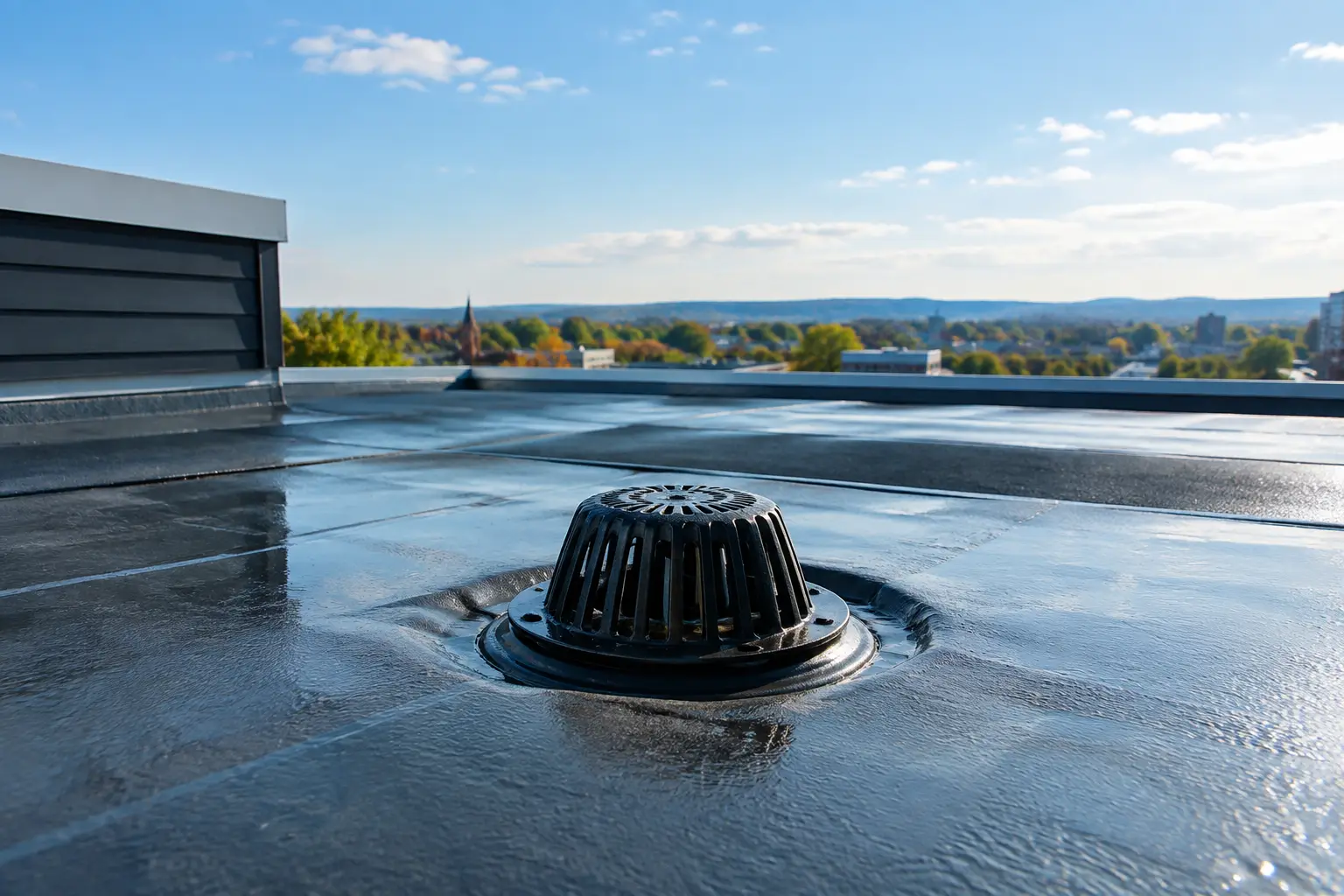
Material type also matters. Cedar, slate, metal, asphalt, and low-slope rubber roofing each require different repair methods. Slate and cedar roofs, in particular, need careful material matching and experienced handling to avoid breaking adjacent pieces or compromising the roof’s appearance. On commercial buildings, the repair may involve membrane seams, penetrations, drains, coping, or edge details rather than shingles.
When a Leak Points to Roof Replacement
A leak is more likely to call for replacement when it reflects widespread aging or repeated system failures. Repairing one section of an old roof can be reasonable, but it will not reverse brittle shingles, deteriorated underlayment, failing ventilation, or extensive deck damage.
Replacement deserves serious consideration when leaks keep returning in different areas, shingles are curling or losing substantial granules, the roof deck feels soft, or moisture has spread into insulation and framing. A roof near or beyond its expected lifespan may also make a repair less cost-effective. Putting money into a series of small fixes can cost more over time than installing a new system designed for the property.
For a commercial property, the decision often depends on the condition of the full roofing assembly. Ponding water, widespread membrane deterioration, saturated insulation, or failures at multiple seams can indicate that a patch is only a temporary measure. A professional assessment helps building owners balance immediate leak control with long-term capital planning.
Replacement is not automatically necessary just because a leak is visible indoors. The right recommendation depends on evidence from the roof surface, attic or interior spaces, drainage details, and moisture conditions below the roofing material. A dependable roofing contractor should explain what was found, what can be repaired, and why replacement may or may not be the better investment.
The Most Common Sources of Roof Leaks
Roof leaks frequently begin at details rather than in the main field of the roof. Flashing is designed to direct water away from joints and penetrations, but it can loosen, corrode, crack, or pull away over time. Chimneys, skylights, plumbing vents, satellite mounts, valleys, and step flashing along walls are frequent trouble spots.
Storm damage is another common cause. Strong winds can lift shingles or metal panels, allowing rain to work beneath the roof covering. Fallen limbs can puncture shingles and membranes. Hail may bruise or crack materials in ways that are not immediately visible from the ground.
In Connecticut, ice dams deserve particular attention. When heat escapes into an attic, snow melts on the upper roof and refreezes near colder eaves. Water can then back up beneath shingles and enter the home. The repair may involve damaged roofing materials, but preventing a repeat problem may also require improvements to attic insulation, air sealing, and ventilation.
Why the First Repair Attempt Sometimes Fails
A leak can persist when someone repairs the symptom instead of the source. Applying sealant over a wet, damaged area may temporarily slow the water, but it rarely corrects failed flashing, a deteriorated pipe boot, or compromised materials beneath the shingles.
Poor material compatibility can also create problems. Not every sealant, fastener, or patching method works with every roof system. Metal, rubber membranes, slate, cedar, and asphalt roofing require material-specific knowledge. A repair must account for water flow, expansion and contraction, and the original roof design.
What to Do When You Notice a Leak
Start by protecting the interior. Move furniture, electronics, and valuables away from the affected area, and place a container beneath active dripping. If water is collecting in a ceiling bulge, do not ignore it. A sagging ceiling can become a safety concern and should be addressed carefully.
Next, document what you see. Photos of ceiling stains, active dripping, damaged shingles visible from the ground, or interior moisture can help establish the timeline of the issue. Avoid climbing onto a wet, steep, snow-covered, or storm-damaged roof. The risk of injury is not worth it, and walking on damaged roofing can make the problem worse.
Then arrange a professional inspection as soon as possible. Emergency service is especially valuable after severe weather, when temporary protection may be needed to limit further interior damage before permanent repairs can be completed. Rick’s Main Roofing provides 24/7 emergency roofing response for property owners who need prompt help securing a damaged roof.
What a Professional Roof Leak Inspection Should Include
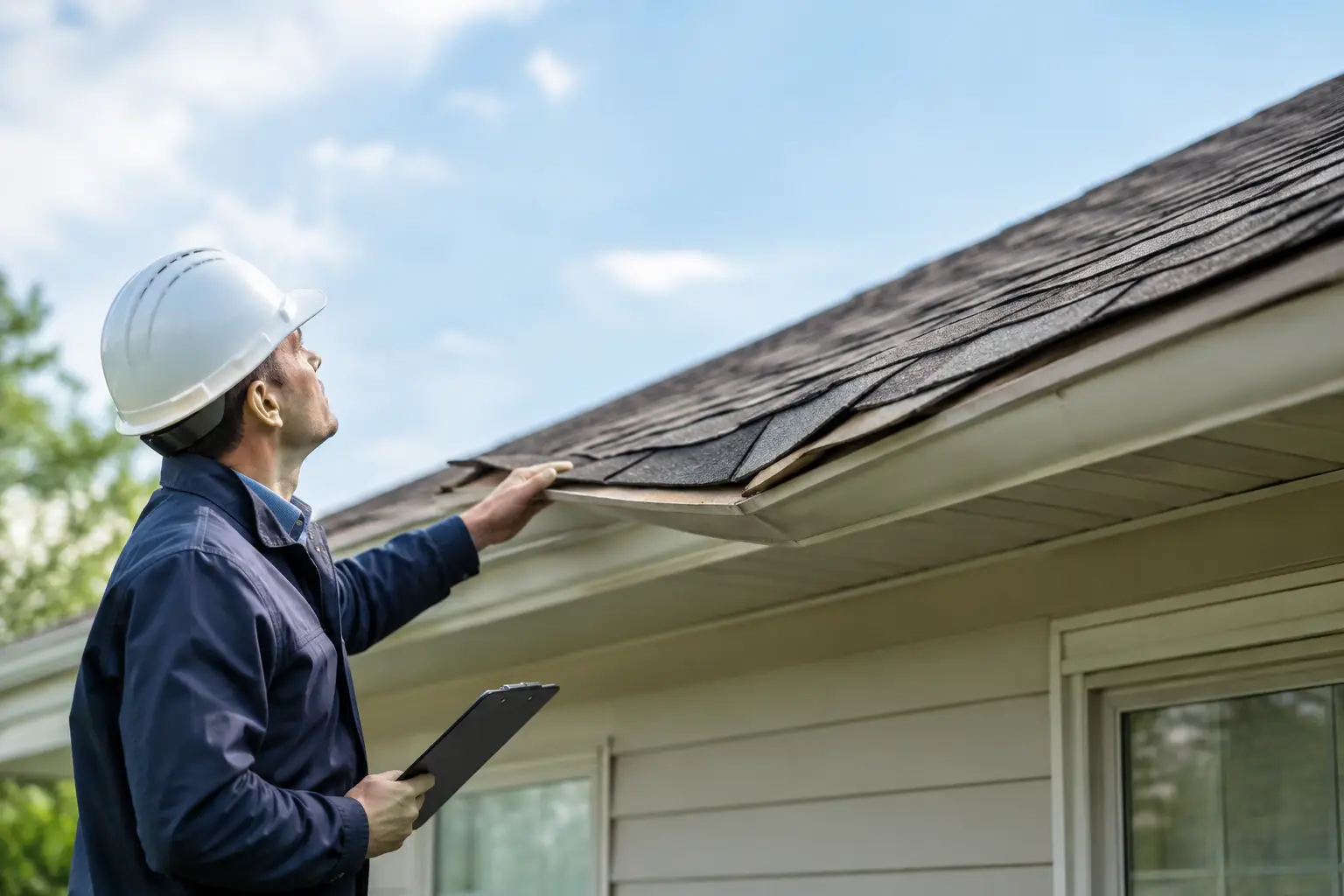
A thorough inspection begins with the roof surface but should not end there. The contractor should evaluate the condition of roofing materials, flashing, penetrations, ridges, valleys, drainage components, and visible storm damage. On low-slope roofs, seams, drains, edge metal, and areas of standing water require close attention.
Inside the building, the inspection may include attic spaces, roof decking, insulation, ventilation, and signs of moisture migration. This helps determine whether the leak is recent and localized or whether hidden damage has been developing for months. For commercial properties, inspection may also consider how work can be completed with minimal disruption to tenants, customers, staff, and operations.
The result should be a clear scope of work, not a vague promise to “seal it up.” Property owners should understand the source of the issue, the proposed repair method, the condition of surrounding materials, and whether there are conditions that could lead to future leaks.
Repairing the Roof Protects More Than the Roof
A roof leak can affect more than shingles and ceilings. Moisture can damage insulation, stain walls, weaken wood components, encourage mold growth, and threaten electrical fixtures. On historic homes, leaks can also jeopardize original trim, plaster, and architectural details that are difficult to replace. On commercial properties, water intrusion can disrupt operations and damage inventory, equipment, or tenant spaces.
The best time to address a leak is before it becomes a visible interior problem. Periodic inspections, prompt storm assessments, clean drainage paths, and attention to attic ventilation give property owners a better chance of catching defects while a repair is still the sensible option.
If your roof is leaking, focus on the evidence rather than assuming the worst or accepting a quick patch without an inspection. A well-diagnosed repair can provide years of dependable protection, while an honest replacement recommendation can prevent repeated damage and uncertainty. Either way, taking action early gives you more control over the cost, timing, and condition of your property.