

A commercial roof rarely fails because one material is universally poor. More often, the wrong system was selected for the building, its drainage, its foot traffic, or Connecticut’s demanding weather. The right commercial roof materials protect operations, control long-term costs, and give property owners a clearer maintenance path when snow, wind-driven rain, summer heat, and freeze-thaw cycles put the roof under pressure.
For a retail center, warehouse, office building, multifamily property, or industrial facility in Fairfield County, material selection should begin with the roof itself. A low-slope roof has very different needs than a steep-slope section over an entryway or visible façade. Existing insulation, deck condition, drainage layout, rooftop equipment, budget, and the expected time in the building all matter.
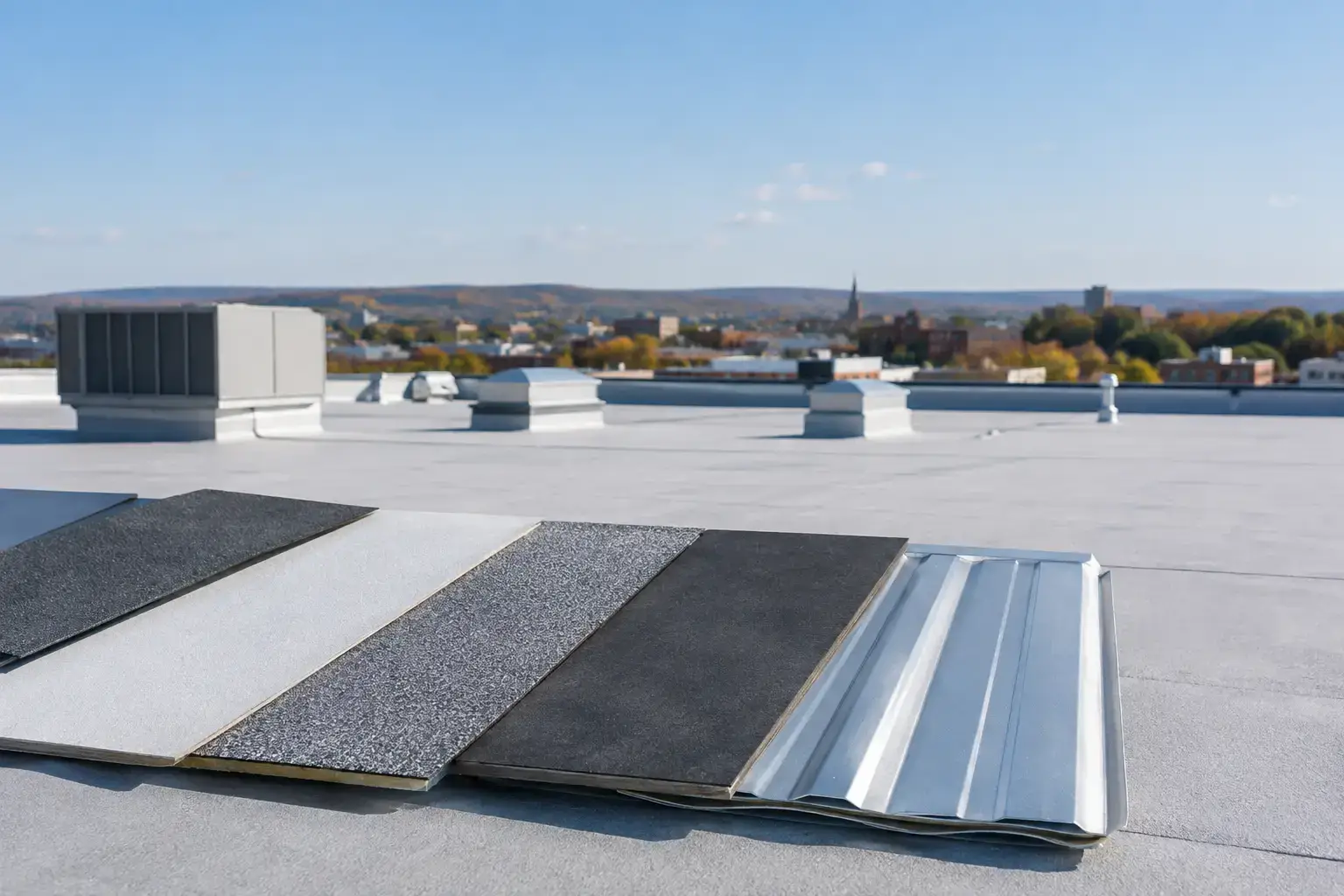
Commercial Roof Materials: Start With the Building’s Needs
Most commercial properties use low-slope roofing systems, where water must be directed to drains, scuppers, or gutters rather than quickly running off a steep pitch. That makes seam integrity, flashing quality, drainage, and regular inspection as important as the membrane or metal panel selected.
A material that performs well on a clean, lightly traveled warehouse roof may not be the best choice for a restaurant with grease exhaust, an office building with frequent HVAC service, or a coastal property exposed to stronger winds and salt air. The best decision considers the full roofing assembly, including insulation, underlayment where applicable, edge metal, penetrations, and flashing details.
TPO Roofing
Thermoplastic polyolefin, commonly called TPO, is one of the most common single-ply commercial roofing membranes. It is typically white or light-colored, helping reflect sunlight and reduce heat absorption during warmer months. Seams are heat-welded, creating a continuous weather barrier when installed correctly.
TPO can be a strong fit for many low-slope commercial buildings because it balances cost, energy performance, and reliable seam construction. It is often used on office buildings, medical facilities, retail locations, and warehouses. Its bright surface can also make it easier to spot standing water, punctures, or debris during routine maintenance.
The trade-off is that installation quality is critical. Membrane thickness, attachment method, insulation design, and flashing work all influence performance. Roof traffic also requires attention. Walk pads and properly planned service routes help protect the surface where technicians regularly access rooftop equipment.
EPDM Rubber Roofing
EPDM is a synthetic rubber membrane recognized for its flexibility and long service history on commercial roofs. It is often black, although lighter options are available, and it can be fully adhered, mechanically attached, or ballasted depending on the roof design.
For Connecticut buildings, EPDM’s ability to remain flexible through temperature changes is a significant advantage. It can be an effective choice for broad, low-slope roof areas and buildings where a proven, straightforward membrane system makes sense. Repairs can also be practical when issues are identified early.
Black EPDM absorbs more heat than a white reflective membrane, which may be a consideration for energy goals and interior cooling demand. Seams and penetrations must be inspected carefully over time, particularly on roofs with frequent mechanical work. A professional maintenance plan helps catch loose flashing, membrane damage, and drainage concerns before water reaches the deck or interior.
PVC Roofing
PVC is another heat-welded single-ply membrane. It is commonly selected for commercial properties where resistance to chemicals, oils, or grease is a priority. Restaurants, food-service facilities, and buildings with certain industrial uses may benefit from PVC’s performance characteristics.
Like TPO, PVC is generally reflective and can support energy-conscious roof design. Welded seams provide dependable protection when completed by experienced installers. PVC may carry a higher initial cost than some other options, but it can be a worthwhile investment where the building’s use creates exposure that would challenge another membrane.
The decision should not be made on membrane price alone. A less expensive system that requires frequent repairs or does not suit the building’s conditions can cost more over its service life than a properly specified roof installed from the start.
Modified Bitumen Roofing
Modified bitumen is an asphalt-based roofing system reinforced with polymers for added flexibility and durability. It can be installed in multi-ply configurations and is available in cap sheets with reflective granules or other protective surfacing. This system has a long record of use on low-slope commercial roofs.
Property owners often consider modified bitumen when they want a durable system with multiple layers of protection. It can perform well on roofs with complex details, numerous penetrations, and areas requiring serviceability. The material is also familiar to many commercial maintenance teams and roofing professionals.
Because installation methods vary, workmanship matters greatly. The roof may be installed with adhesives, cold-applied products, self-adhered sheets, or heat-applied methods depending on the system and site conditions. The right approach should account for building occupancy, safety requirements, and the condition of the existing roof.
Built-Up Roofing
Built-up roofing, often called BUR, uses alternating layers of bitumen and reinforcing fabric topped with a protective surface. It has been used on commercial buildings for generations and remains a viable option in certain applications.
Its multi-layer construction can provide redundancy, which appeals to owners responsible for long-term building protection. BUR may be appropriate for roofs that need a heavily layered system, although it is generally heavier than single-ply membranes and may require more involved installation. Building structure, roof access, and project logistics should be reviewed before choosing it.
Metal Roofing for Commercial Properties
Metal roofing is frequently used on commercial buildings with steeper slopes, canopies, architectural features, and highly visible areas. Standing seam metal panels can provide a clean appearance and a long service life when properly detailed and maintained.
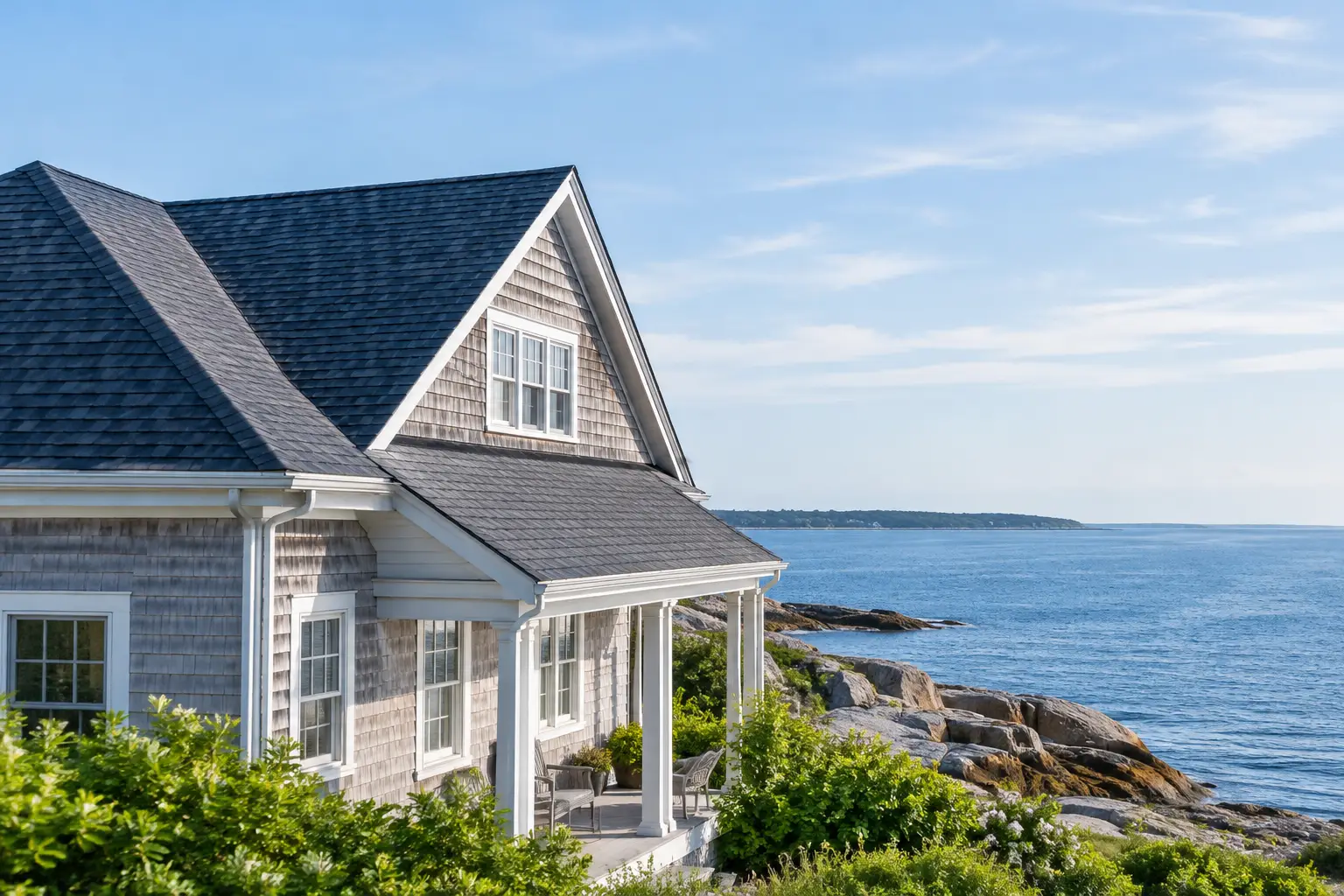
For coastal and exposed Connecticut locations, material type, coating, fastening, and flashing design are especially important. Metal expands and contracts with temperature changes, so the system must accommodate movement without opening gaps at seams or penetrations. Properly engineered snow retention may also be needed where sliding snow could create hazards near entrances, walkways, or loading areas.
Metal can be an excellent long-term choice, but it is not automatically the best answer for every commercial roof. Complex penetrations, rooftop equipment, and low-slope areas may call for a membrane system instead, or a carefully designed combination of materials.
What Determines the Right Commercial Roofing System?
The most reliable material choice comes after a roof assessment, not before it. A contractor should evaluate the existing roof deck, insulation, drainage, flashing, penetrations, and evidence of trapped moisture. If a roof has recurring ponding water, replacing the membrane without correcting slope or drainage may leave the underlying problem in place.
Budget matters, but owners should separate initial installation cost from life-cycle cost. A roof that costs less today may require earlier replacement, more frequent repairs, or higher energy use. Conversely, a premium system only makes financial sense if it fits the building’s expected ownership period, maintenance commitment, and operating conditions.
Operational needs also deserve attention. A building with rooftop HVAC units, solar equipment, or regular service traffic needs protected pathways and detailed flashing around every penetration. For occupied buildings, project scheduling and installation methods should limit disruption to tenants, customers, employees, and daily operations.
Installation and Maintenance Protect the Investment
Even the best commercial roof materials depend on correct installation. Seams, terminations, drains, parapet walls, curbs, and edge details are common locations for leaks. These areas require experienced workmanship and careful quality control throughout the project.
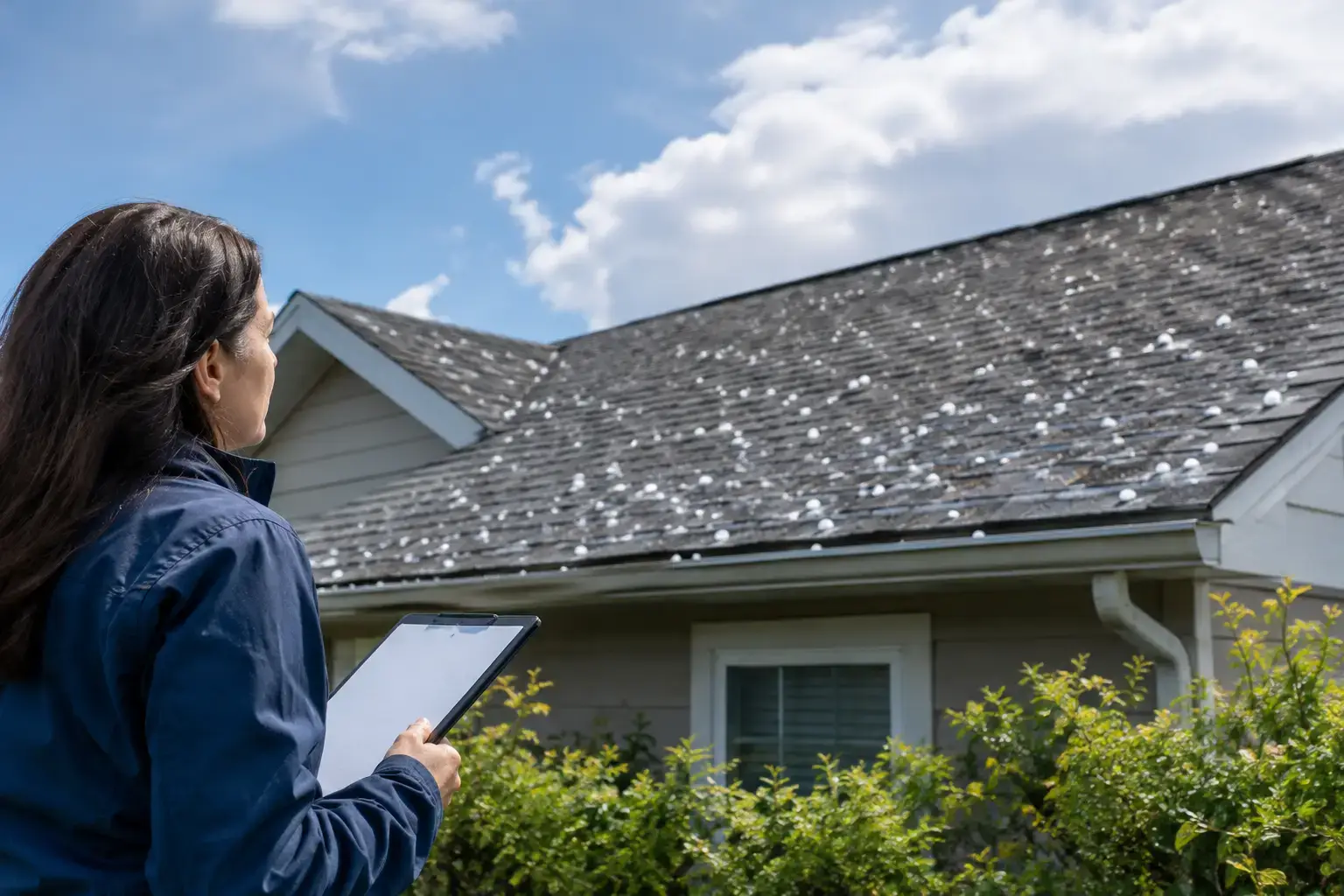
Once the roof is installed, scheduled inspections are the practical way to extend its useful life. Spring and fall inspections are especially valuable in Connecticut, along with checks after severe storms. Clearing drains, removing debris, addressing loose flashing, and repairing small punctures promptly can prevent avoidable interior damage.
Rick’s Main Roofing helps commercial property owners evaluate roof condition, select appropriate systems, complete repairs or replacement work, and plan maintenance around the building’s needs. For urgent leaks or storm-related damage, a fast professional assessment can limit disruption and protect the property while a permanent repair plan is put in place.
A commercial roof should support the business below it without becoming a recurring concern. Start with a thorough evaluation, choose a system designed for the building rather than a one-size-fits-all solution, and give that system the inspection and maintenance it needs to perform year after year.