

A hailstorm can leave a roof looking largely unchanged from the ground while causing bruised shingles, fractured slate, dented metal, and damaged flashings that may shorten its service life. This guide to hail damage claims explains what to do in the hours and days after a storm, how to document the condition of your property, and how to move a claim forward without making costly assumptions.
For homeowners and property managers in Fairfield County, the priority is not simply getting an insurance claim filed. It is protecting the building from further water intrusion, identifying storm-related damage accurately, and making repair or replacement decisions based on the actual roofing system and policy coverage.
Start With Safety and Damage Control
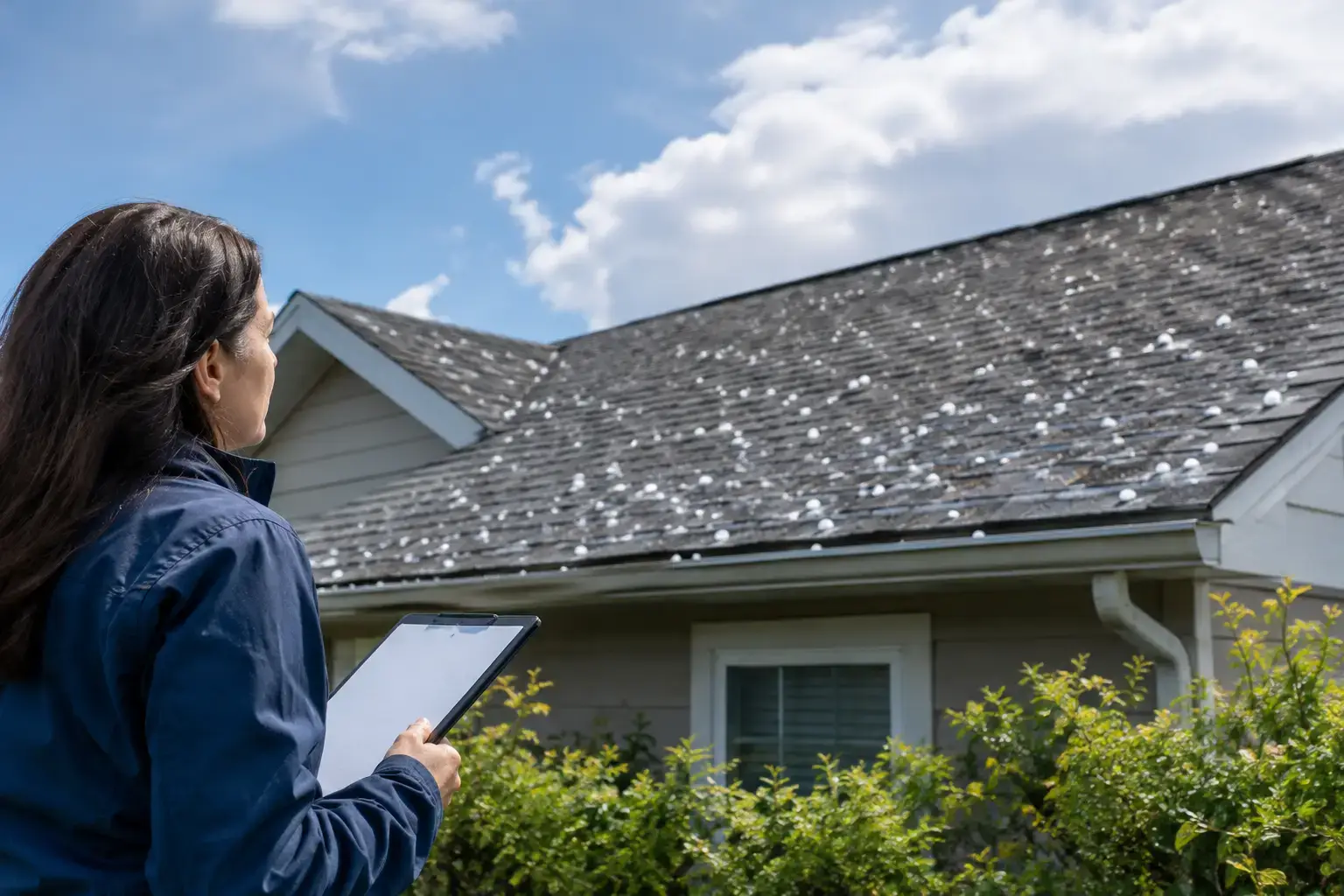
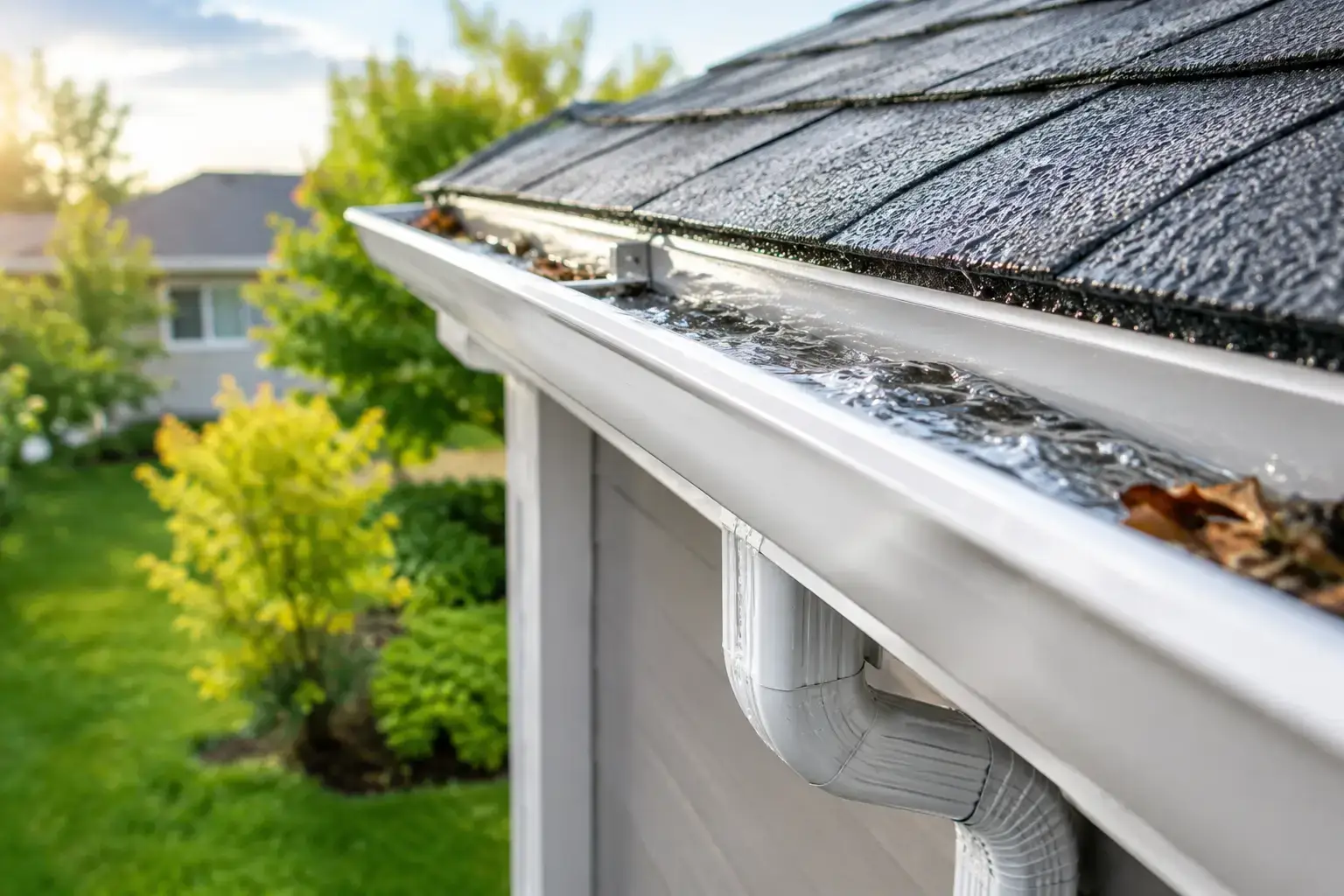
Do not climb onto a roof immediately after a hailstorm. Wet surfaces, loose granules, broken slate, and damaged gutters create real fall hazards. From the ground, look for obvious signs such as displaced shingles, broken skylights, punctured roof accessories, fallen branches, dented metal components, and debris around downspouts.
If water is entering the building, take reasonable steps to limit additional damage. Move furnishings and equipment away from active leaks, place containers beneath drips, and photograph the affected interior areas. A qualified roofing contractor can install an emergency tarp or perform temporary repairs when needed. Keep invoices and photographs for any emergency work, since most policies require property owners to take reasonable measures to prevent further loss.
For commercial properties, document any areas where operations were interrupted, inventory was moved, or ceiling materials became wet. The roof claim may be only one part of the larger loss, and organized records help establish the full sequence of events.
Document the Storm Before the Evidence Changes
Hail damage can be difficult to prove after foot traffic, wind, rain, or routine cleanup changes the property. Begin documenting the exterior as soon as it is safe. Take wide photos of every elevation of the building, then close-up photos of roof edges, gutters, downspouts, siding, window trim, HVAC equipment, skylights, fences, and other metal surfaces.
Dents in soft metals can support the timeline of a hail event, but they do not automatically mean the roof needs replacement. Your insurer will evaluate whether the roof has functional damage, not just visible marks. A professional roof inspection helps distinguish storm impact from age-related wear, manufacturing defects, old repairs, moss growth, or damage caused by foot traffic.
Create a simple record with the storm date, approximate time, weather conditions, and any leaks or interior changes noticed afterward. If neighbors experienced similar damage, that may provide useful context, but each roof and each insurance policy will be assessed individually.
Arrange a Professional Roof Inspection
A storm inspection should be thorough, material-specific, and documented. Asphalt shingles may show circular impact marks, fractured matting, displaced granules, or soft spots that are not visible from the ground. Cedar can split along the grain. Slate may crack or chip, while metal roofing may sustain dents, damaged seams, or compromised coatings. Flat and low-slope commercial roofing systems can show punctures, fractured membranes, crushed insulation, or damage around drains and penetrations.
The goal is not to label every imperfection as hail damage. It is to identify the condition of the roof accurately and explain whether the observed damage affects its ability to shed water and perform as designed. That distinction matters to both the property owner and the carrier.
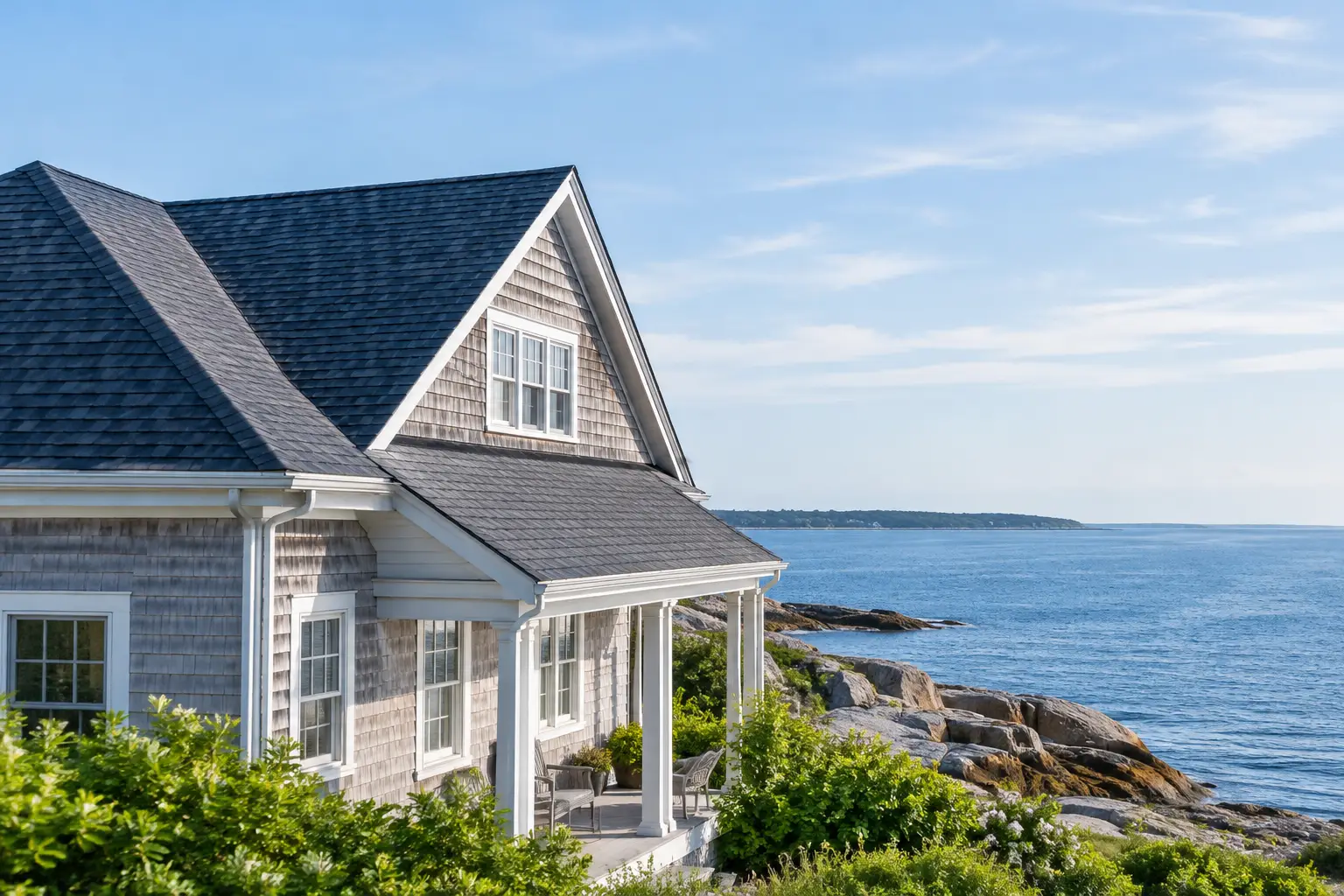
A qualified local contractor should provide clear findings, photographs, and an estimate for necessary work. Rick’s Main Roofing evaluates residential and commercial roofs throughout Norwalk and Fairfield County, including asphalt, cedar, slate, metal, and rubber systems. Local experience is especially valuable when a roof has pre-existing winter damage, ventilation concerns, coastal exposure, or repairs from prior storms.
File the Claim Promptly and Read Your Policy
Once you have documented the condition and received an initial professional assessment, contact your insurance carrier to report the loss. Ask for the claim number, the adjuster’s contact information, and a copy of the applicable policy provisions if you do not already have them.
Your policy determines what is covered. Review the deductible, coverage limits, exclusions, depreciation, and whether the policy pays actual cash value or replacement cost value. Actual cash value coverage generally accounts for depreciation. Replacement cost policies may initially pay a depreciated amount and release additional funds after covered repairs are completed and documented.
Some policies include separate wind or hail deductibles. Others have restrictions related to cosmetic damage, matching, older materials, or code upgrades. If your roof requires work to meet current building requirements, ask whether ordinance or law coverage applies. Do not assume that an estimate for a full roof replacement means the policy will automatically approve one, and do not assume a denial is the end of the conversation if the inspection findings are incomplete or unclear.
Meet the Adjuster With the Right Information
An insurance adjuster will inspect the reported damage and compare it with the policy terms. If possible, have your roofing contractor available during the inspection. The contractor can point out material-specific damage, explain the roof assembly, and answer practical questions about repairability, matching materials, flashing, underlayment, and code-related work.
This meeting is most productive when everyone stays focused on observable conditions. Provide your photographs, storm timeline, emergency repair receipts, prior inspection reports, and contractor documentation. Avoid overstating the damage or guessing about conditions you cannot verify. Credible, well-organized information carries more weight than broad claims that a roof is “totaled.”
There can be legitimate differences between a contractor’s scope and an insurer’s initial estimate. An adjuster may not see concealed damage until affected materials are removed, or a contractor may identify necessary components omitted from the original scope. When that happens, ask the contractor to prepare a detailed supplement with photographs, measurements, and a clear explanation of why the additional work is required.
Avoid Common Claim Mistakes
The most common error is waiting too long. A delay can make it harder to connect the damage to a specific weather event, and small leaks can become wet insulation, stained ceilings, mold conditions, or structural deterioration.
Another mistake is hiring solely on a storm chaser’s promise to “get the roof approved.” No contractor can guarantee coverage, and a pressure-based sales pitch is not a substitute for an inspection. Choose a properly insured, established roofing professional who can explain the proposed work, provide a written scope, and remain available after the claim is settled.
Be cautious about signing broad contracts or assigning insurance benefits before you understand the document. Read the cancellation terms, scope of work, payment schedule, and responsibility for supplements. A reputable contractor should be willing to answer direct questions before work begins.
Finally, do not treat a claim payment as a maintenance fund. Use claim proceeds for the covered storm-related work, follow the policy requirements, and retain all final invoices, permits, warranties, and completion photos.
When Repair Makes Sense and When Replacement Is Justified
Not every hail claim results in replacement. A limited repair may be the right choice when damage is isolated, compatible materials are available, and the remaining roof is in sound condition. This approach can preserve a newer roof and keep disruption to a minimum.
Replacement may be justified when hail damage is widespread, repairs would compromise the roofing system, matching materials are unavailable, or the roof was already near the end of its expected service life. Historic slate and cedar roofs deserve special consideration because improper repairs can affect both weather protection and the character of the property. Commercial decisions also depend on drainage, insulation condition, rooftop equipment, building use, and the risk of interrupting operations.
The right answer depends on the evidence, the roof’s age and construction, and the language of the policy. A careful inspection protects you from replacing a roof unnecessarily, while ensuring legitimate storm damage is not dismissed as ordinary wear.
Keep the Property Protected While the Claim Moves Forward
Claims can take time, particularly after a widespread storm. During that period, monitor the attic, ceilings, upper walls, and roofline after rainfall. Report new leaks promptly, keep temporary protections in place as needed, and avoid making permanent repairs that could prevent the adjuster from inspecting the original damage unless emergency conditions require immediate action.
A well-documented claim begins with a calm response: protect the property, get an experienced roof evaluation, and make each decision based on clear evidence. That approach gives homeowners and property managers the best chance to restore their roof with confidence and protect the building long after the storm has passed.