

A roof rarely fails at a convenient time. A small ceiling stain after a Norwalk rainstorm, shingles in the yard after high winds, or recurring leaks around a chimney can leave property owners asking when to replace a roof rather than whether they should. The right answer depends on the roof’s age, material, condition, and the extent of any underlying damage. Acting before a minor issue becomes interior water damage gives you more control over cost, timing, and material choices.
When to Replace a Roof Instead of Repairing It
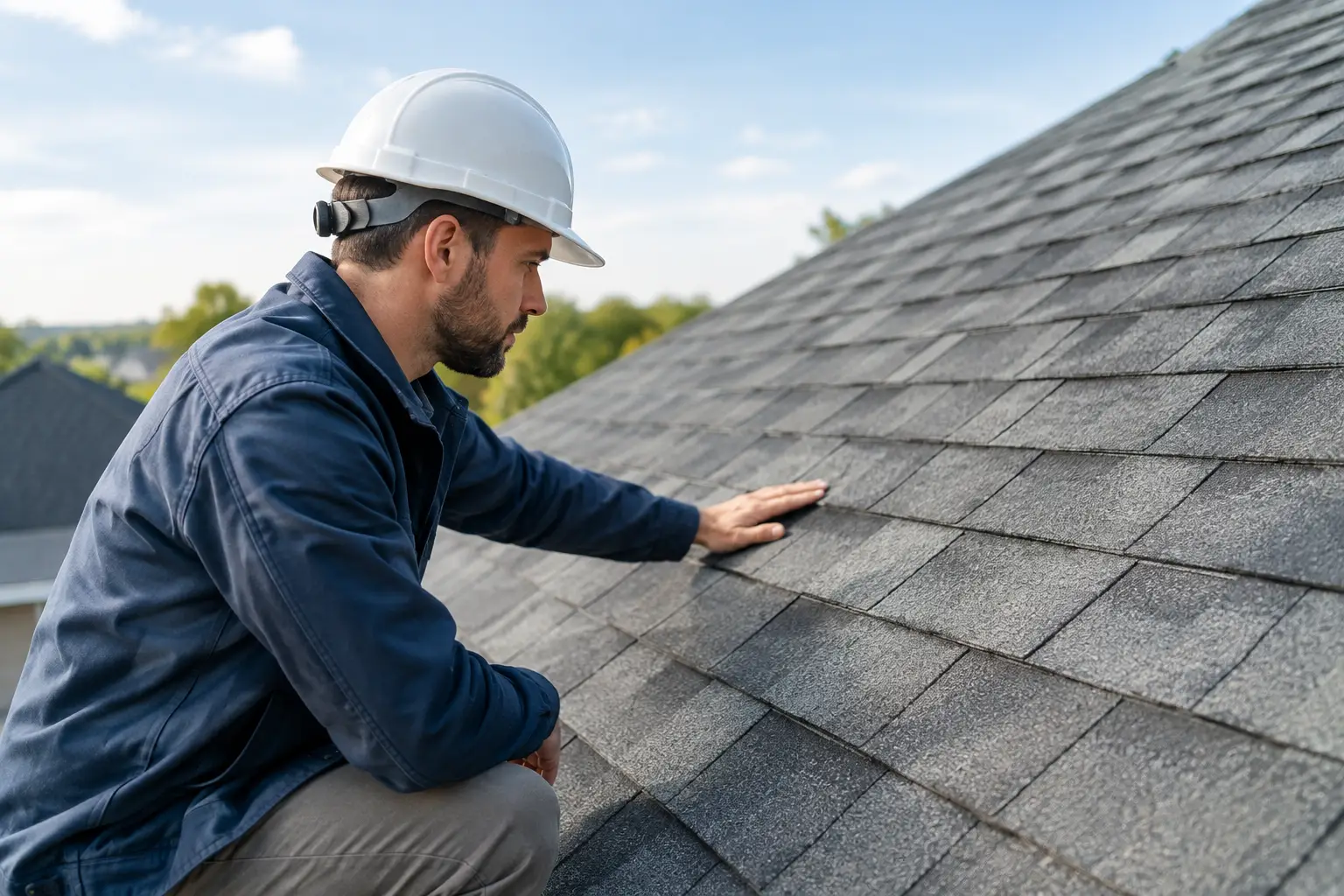
A repair is often the sensible choice when damage is isolated. Missing shingles on one slope, a failed pipe boot, loose flashing, or a small area affected by wind can usually be corrected without replacing the entire system. A qualified inspection should identify the source of the problem and determine whether the surrounding roof remains sound.
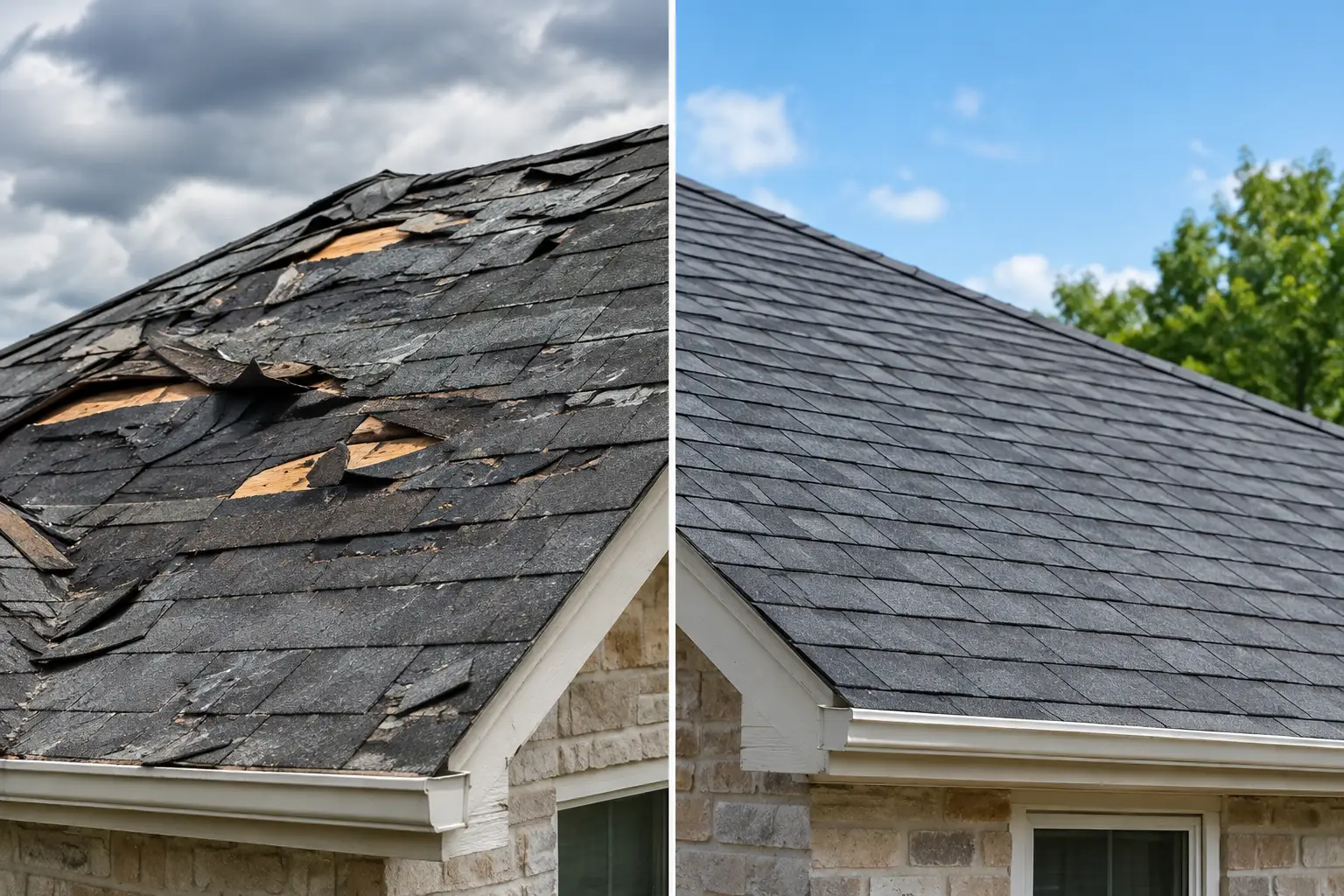
Replacement becomes the stronger investment when problems are widespread, recurring, or tied to the roof system beneath the visible surface. If leaks return after repairs, shingles are deteriorating across multiple areas, or the roof deck has signs of moisture damage, patching may only delay a larger failure. The goal is not to replace a roof prematurely. It is to avoid spending repeatedly on repairs that no longer provide reliable protection.
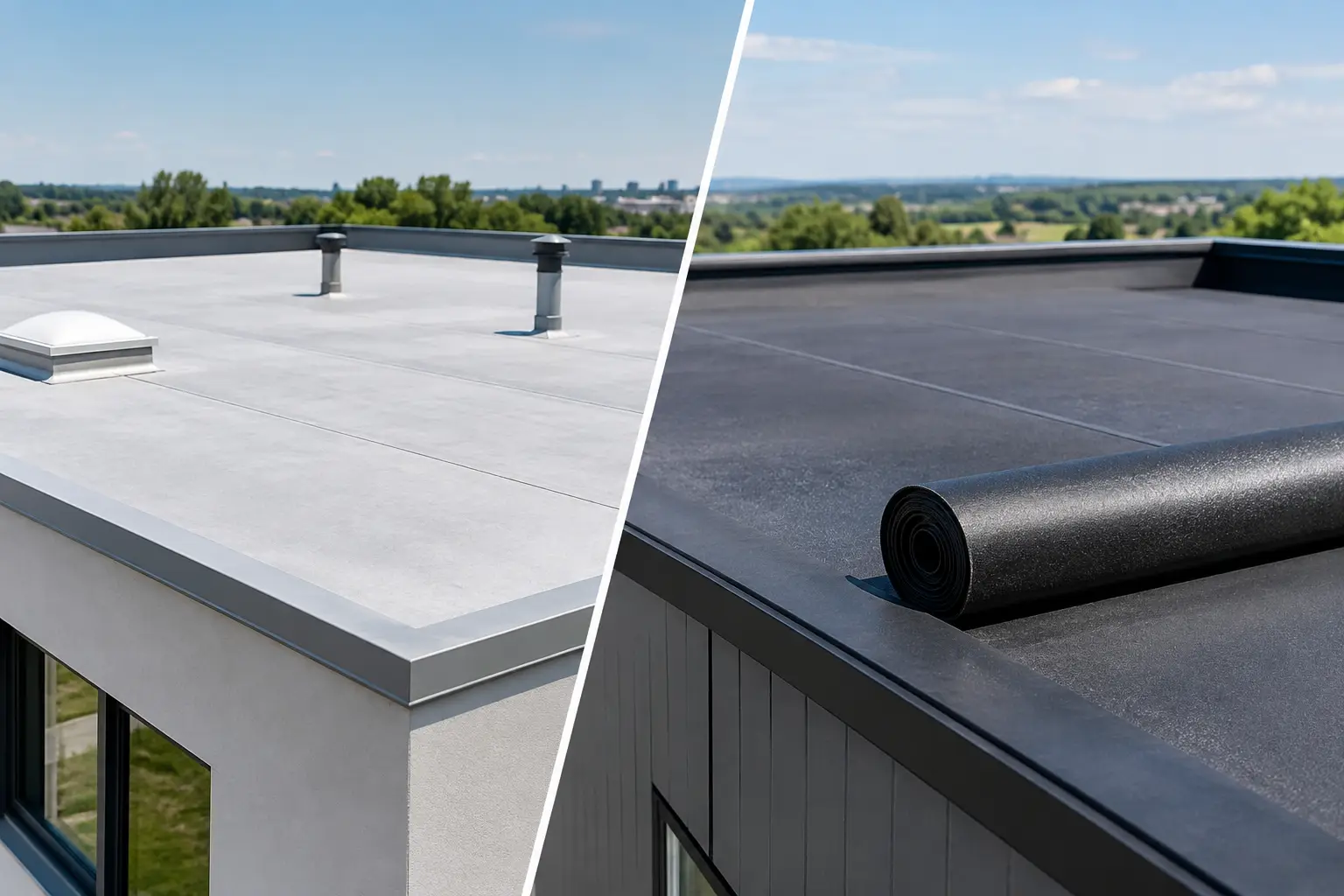
For commercial properties, the same principle applies. A localized puncture or seam issue on a rubber roof may be repairable, while widespread membrane deterioration, persistent ponding water, or saturated insulation may call for a planned replacement. A professional evaluation helps building owners compare the real cost of continued repairs against the value of a new system.
Signs Your Roof Is Nearing the End of Its Service Life
Age is an important starting point, but it is not a complete diagnosis. Installation quality, ventilation, weather exposure, maintenance history, and the material itself all affect how long a roof lasts. In Fairfield County, winter ice, wind-driven rain, humid summers, tree debris, and coastal exposure can accelerate wear.
Asphalt shingles commonly last around 20 to 30 years, depending on the product and conditions. Cedar, slate, metal, and low-slope commercial systems each have different expected lifespans and maintenance needs. A roof that is approaching its typical service life deserves an inspection even if there is no obvious leak. This is especially true before another Connecticut winter puts the roof under stress.
Visible warning signs often tell a clearer story than age alone. Look for curling, cracking, splitting, bald shingle areas, granules collecting in gutters, rusted flashing, loose ridge caps, or shingles that no longer lie flat. On a flat or low-slope roof, watch for open seams, blisters, cracks, ponding water, and areas where the membrane has pulled away from edges or penetrations.
Inside the property, warning signs can include water stains, peeling paint near the ceiling line, damp insulation, mildew odors in the attic, or daylight visible through the roof deck. These issues do not always mean the entire roof must be replaced, but they require prompt attention. Water can travel along framing and insulation before it appears on a ceiling, so the visible stain is not always directly below the source.
Granule Loss Is More Than a Cosmetic Issue
Asphalt shingles shed some granules naturally over time. Heavy or uneven granule loss, however, exposes the asphalt layer to sunlight and speeds up deterioration. If gutters are consistently filling with granules or shingles have large smooth patches, the roof may be nearing replacement.
Repeated Leaks Change the Calculation
One leak can be caused by a flashing failure or storm damage. Several leaks in different locations, or the same leak returning after repair, suggest a broader problem. Once water intrusion becomes recurring, it is time to assess the condition of the entire roofing system, including decking, ventilation, flashing, and drainage.
Connecticut Weather Can Shorten a Roof’s Life
A roof in coastal or inland Fairfield County faces more than ordinary rainfall. Winter freeze-thaw cycles can worsen small cracks and create ice dams at the eaves. When snow melts on a warm upper roof and refreezes near colder edges, water can back up beneath shingles. Poor attic insulation and ventilation often contribute to this problem.
Coastal homes may also experience stronger wind exposure, wind-driven rain, and salt air that can affect metal components. Mature trees add another risk through rubbing branches, falling limbs, and clogged gutters. After a major storm, a roof may look intact from the ground while sustaining lifted shingles, damaged flashing, or punctures that become apparent only during the next heavy rain.
An inspection after significant weather is a practical way to document conditions and catch damage early. If emergency leaks occur, temporary protection can limit interior damage while a permanent repair or replacement plan is developed.
Your Attic Often Holds the Answer
The roof covering is only one part of a functioning roofing system. The attic helps reveal whether that system is managing heat and moisture properly. Dark staining on sheathing, mold growth, wet insulation, or a musty odor can point to a ventilation issue or an active leak.
Inadequate ventilation can trap heat in summer and moisture in winter. That extra heat can age asphalt shingles faster, while trapped moisture can affect the roof deck and framing. Replacing shingles without correcting ventilation or insulation concerns may leave the new roof vulnerable to the same conditions that shortened the old roof’s life.
A thorough roof assessment should consider intake and exhaust ventilation, insulation levels, attic moisture, deck condition, flashing details, and drainage. This is why an estimate based only on a quick look from the driveway is not enough for a major replacement decision.
Choosing the Right Time for a Planned Replacement
The best time to replace a roof is before water damage forces an emergency decision. A planned project allows time to select materials that fit the property, confirm color and style, schedule work around tenants or business operations, and address related needs such as gutters, skylights, chimneys, or ventilation.
Spring through fall often provides favorable installation conditions in Connecticut, but a roof can be replaced whenever weather permits and the system requires it. Do not wait for a perfect season if leaks are active or structural components are at risk. A professional roofer can explain what work can be completed safely now, what temporary measures are appropriate, and whether a short delay is reasonable.
For property managers and commercial owners, planning matters even more. A replacement can be phased around occupancy, customer traffic, equipment access, and weather-sensitive operations. Early evaluation also gives decision-makers time to budget, coordinate approvals, and choose a system designed for the building’s drainage and exposure conditions.
Material Choice Matters During Roof Replacement
Replacement is an opportunity to choose a roofing system suited to the building rather than simply duplicating what is already there. Architectural asphalt shingles offer a dependable option for many homes. Metal can provide long-term durability and strong performance in exposed locations. Cedar and slate may be appropriate for distinctive or historic properties, but each requires material-specific installation knowledge and maintenance planning.
Low-slope and commercial roofs require their own evaluation. Drainage, insulation, rooftop equipment, foot traffic, seams, and edge details all influence which system makes sense. The least expensive material upfront is not always the lowest-cost choice over the roof’s life. Durability, maintenance demands, warranty coverage, and disruption to the property should all be part of the conversation.
Rick’s Main Roofing evaluates residential and commercial roofs with these practical factors in mind, from standard asphalt systems to cedar, slate, metal, and rubber roofing. A clear inspection and written recommendation help owners make decisions based on the roof’s condition rather than pressure or guesswork.
What to Expect From a Professional Roof Inspection
A reliable inspection should do more than confirm that shingles look old. The roofer should examine the roof surface, flashing, penetrations, valleys, ridges, gutters, drainage paths, and accessible attic areas. On commercial roofs, the inspection may also include seams, curbs, drains, expansion joints, and signs of trapped moisture.
You should receive a straightforward explanation of what is repairable, what needs monitoring, and what supports replacement. Ask how long a repair is likely to last, whether the roof deck shows damage, how ventilation will be handled, and what protections will be used for landscaping, siding, and the property during installation. A dependable contractor will explain the trade-offs clearly.
The most useful time to schedule an inspection is before a small problem becomes an urgent one. If your roof is aging, showing visible wear, or leaking more than once, an expert assessment can give you a practical path forward and help protect the property through the next season.