

A ceiling drip during a Connecticut downpour can turn from a nuisance into damaged insulation, stained drywall, and electrical risk in a matter of hours. If you need to fix roof leak during rain, the priority is not a permanent repair from the roof surface. It is protecting people, containing water, and preventing the leak from spreading until conditions allow a trained roofer to identify and repair the actual failure.
First, Control the Water Inside
Move furniture, electronics, rugs, and valuables out of the affected area. Place a bucket or other sturdy container directly under the drip, then line the surrounding floor with towels or plastic sheeting to catch splashes. Check the bucket frequently. An overflowing container can cause more damage than the original leak.
If the ceiling is bulging, water may be collecting above the drywall. Keep people away from the area. A large water-filled ceiling bubble can collapse without warning. If it is safe to do so and there are no lights, wiring, or electrical fixtures nearby, carefully puncturing the lowest point of the bulge with a small tool can release water in a controlled direction into a bucket. If electrical components are involved, do not touch the ceiling or water. Shut off power to that area at the breaker only if you can do so safely, then call for emergency help.
A roof leak often appears several feet from its source. Water can travel along roof decking, rafters, insulation, pipes, or wiring before it reaches the ceiling. Do not assume the drip directly below is where the roof is damaged.
Do Not Climb on a Wet Roof
Trying to locate a leak from outside in rain, wind, or lightning is one of the most dangerous decisions a property owner can make. Asphalt shingles, metal panels, slate, cedar, and low-slope commercial membranes become extremely slick when wet. A small leak is not worth the risk of a fall.
Stay off the roof during active weather. Avoid ladders in high winds, and never work near downed utility lines. Even experienced roofers adjust their approach when conditions are unsafe. Emergency service may begin with interior protection and a temporary plan, with exterior work completed once the weather permits.
How to Fix a Roof Leak During Rain: Safe Temporary Steps
The best temporary response depends on where you can safely access the water. In many homes, the attic provides useful information without requiring roof access. Use a flashlight, wear shoes with good traction, and step only on structural framing or a properly supported walkway. Never put your weight on exposed ceiling drywall.
Look for wet insulation, darkened roof decking, water trails on rafters, or dripping around penetrations such as plumbing vents, chimneys, skylights, and attic ventilation. Place a bucket beneath an active drip if possible. If the insulation is soaked, avoid handling it near electrical wiring. Wet insulation loses effectiveness and can retain moisture long after the storm ends.
If water is entering through a small, accessible opening in the attic, a temporary catchment can help direct it away from framing and ceilings. For example, a clean piece of plastic can be positioned to guide drips into a bucket. This is not a roof repair, and it should not be taped or fastened in a way that damages the roof deck. Its purpose is simply to manage water until a professional can investigate.
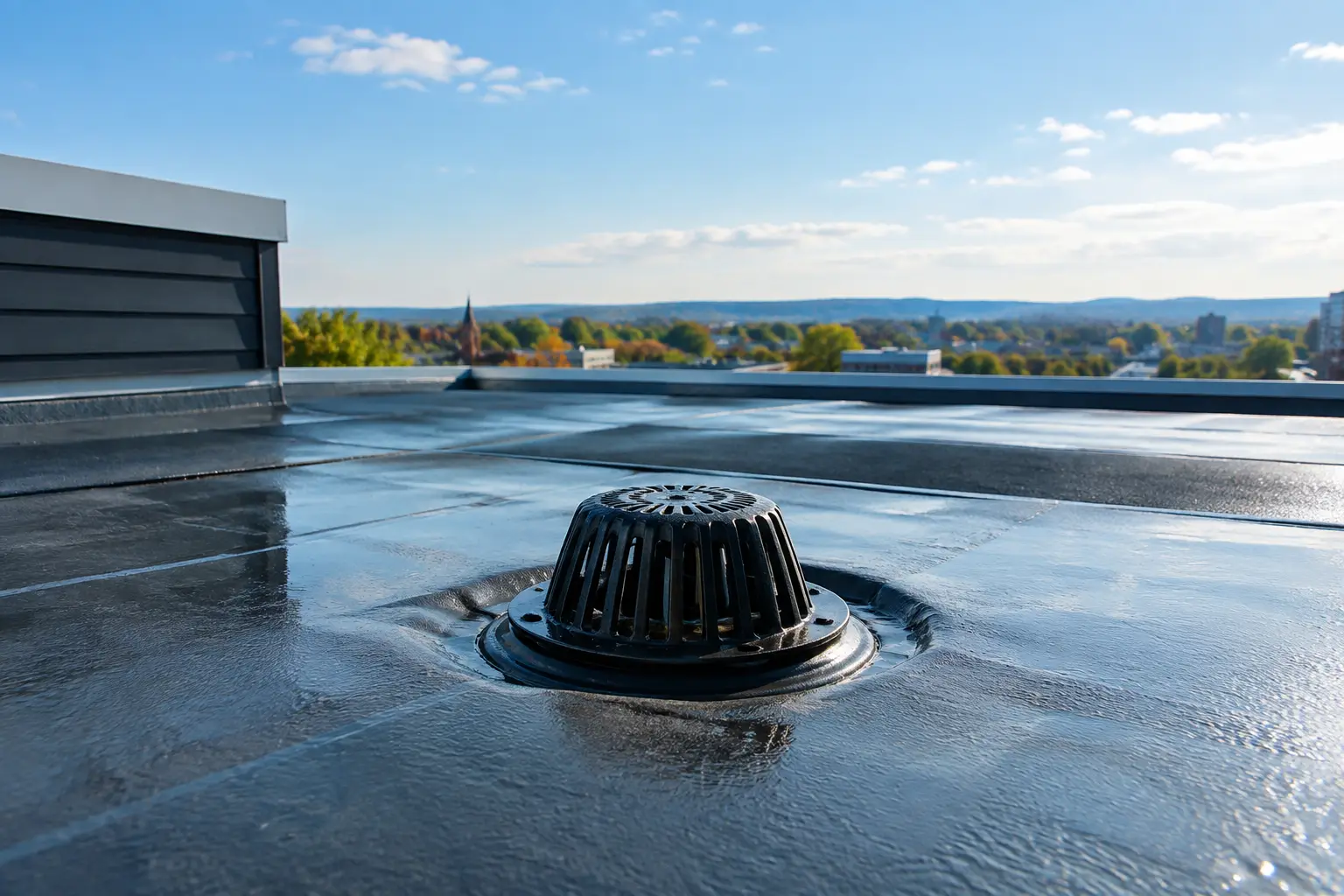
For a flat or low-slope commercial roof, interior leaks may be related to blocked drains, ponding water, failed seams, flashing, or penetrations around rooftop equipment. Building staff should keep occupants away from wet areas, protect inventory, and document the location and timing of the leak. Do not attempt to clear rooftop drains during a storm unless it can be done safely from a secure, approved access point.
Why Emergency Patches Have Limits
A tarp, roofing cement, or patch material may sound like a quick solution, but wet surfaces are difficult to seal correctly. Adhesives may not bond, trapped water can worsen the problem, and an improperly installed tarp can tear shingles or create new entry points. On slate, cedar, metal, and historic roofing systems, walking or fastening materials in the wrong location can cause costly damage.
A temporary exterior cover can be appropriate after the rain has eased and only when installed by someone who can work safely. The goal is to cover the affected area without driving nails through vulnerable sections of the roof. This is one reason emergency roofing response matters: the right temporary measure protects the building while preserving the roof for a proper repair.
Common Reasons Roofs Leak in Heavy Rain
Storm leaks are not always caused by missing shingles. Wind-driven rain can force water beneath aging flashing, loose ridge caps, worn pipe boots, skylight seals, and siding-to-roof transitions. Clogged gutters may allow water to back up under the roof edge. On older homes, deteriorated underlayment or compromised decking can allow a minor defect to become visible only during a long, heavy rain.
Fairfield County properties also face local conditions that complicate leak diagnosis. Coastal exposure can accelerate wear on metal components and flashing. Winter ice dams can damage edges and underlayment, with the resulting weakness becoming apparent during spring storms. Poor attic ventilation can contribute to condensation that resembles a roof leak, especially around exhaust ducts and roof penetrations.
The roofing material matters as well. Asphalt shingle roofs commonly leak at flashing and penetrations. Cedar roofs may develop splits, lifted pieces, or failed detailing. Slate roofs require careful inspection for cracked, slipped, or improperly repaired tiles. Rubber and other low-slope systems need a close review of seams, drains, curbs, and membrane condition. A correct diagnosis should account for the system rather than relying on a one-size-fits-all patch.
When to Call for Emergency Roof Repair
Call for professional emergency service promptly when water is entering at a steady rate, a ceiling is sagging, the leak is near electrical equipment, or visible storm damage is present. The same applies if a tree limb has struck the roof, shingles or metal panels have blown loose, or water is affecting a commercial operation, tenant space, or stored inventory.
Take photos and short videos from safe indoor locations before moving items or beginning cleanup. Note when the leak began, whether the rain was wind-driven, and where water appeared. This information helps a roofing professional narrow down likely causes and may also be useful for an insurance claim.
Rick’s Main Roofing provides emergency roofing response for homeowners and commercial property owners in Norwalk, Fairfield County, and nearby communities. An experienced roofer can assess immediate risks, identify whether the issue is roof-related or condensation-related, install appropriate temporary protection when conditions allow, and recommend the repair needed to stop recurring damage.
After the Rain Stops: Get the Right Repair
Once the roof is dry enough for safe access, schedule a thorough inspection rather than relying on the disappearance of the drip. Water may have entered during a brief wind shift and stopped when the storm changed direction, but the opening remains. Delaying repair can lead to rotted decking, mold growth, damaged insulation, and a larger repair later.
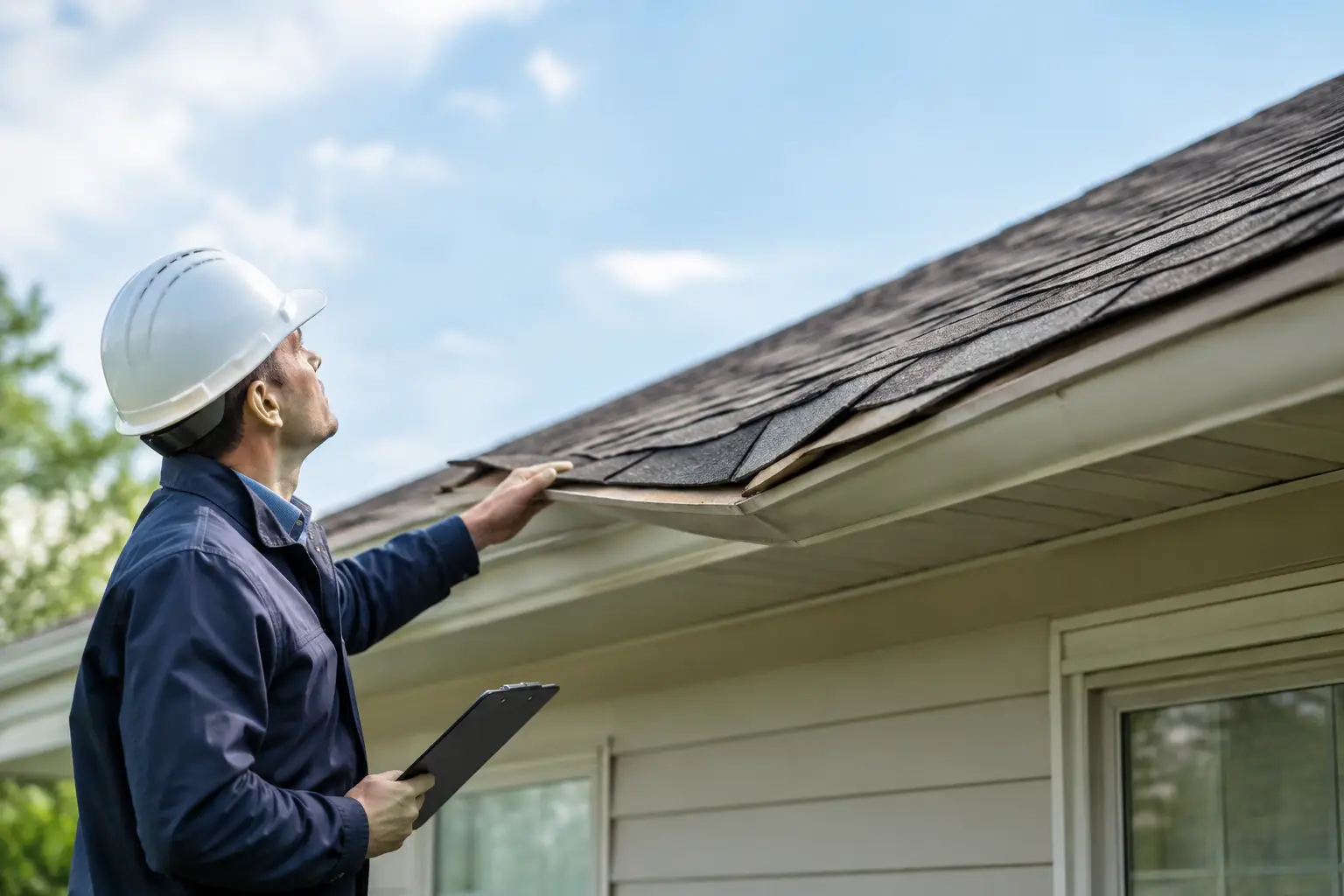
A proper inspection should examine the roof field, flashing, penetrations, gutters, attic ventilation, and visible interior damage. The repair may be as focused as replacing a failed pipe boot or resealing flashing. In other cases, widespread granule loss, brittle shingles, repeated leaks, or compromised decking may indicate that a larger repair or roof replacement is more sensible.
Dry the affected interior area as quickly as practical. Remove wet items, run fans and dehumidifiers where safe, and arrange professional water mitigation if drywall, insulation, or flooring has absorbed significant moisture. Roofing repair stops the source, but interior drying prevents the secondary damage that can follow.
A rain leak deserves fast action, not a risky climb onto a slick roof. Contain the water, protect the building, document what happened, and have the roof evaluated as soon as weather conditions permit. That measured response gives your property the best chance of avoiding a small leak becoming a major repair.