

A line of thick icicles along the gutter may look harmless after a Connecticut snowstorm, but it often signals a problem developing above your ceiling. If you are wondering how to prevent ice dams, the answer is not just removing snow after it falls. The real fix starts with how your roof, attic, insulation, and ventilation work together during winter.
Ice dams form when heat escapes from the house and warms the roof deck unevenly. Snow on the warmer sections melts, then runs down to the colder eaves, where it refreezes. As that ridge of ice grows, it can trap more melting water behind it. That water then backs up under shingles, around flashing, and into the home. The damage can spread fast, from roof decking and underlayment to insulation, drywall, trim, and even electrical components.
How to prevent ice dams at the source
The most effective way to stop ice dams is to control roof temperature. A roof that stays consistently cold in winter is far less likely to create the melt-freeze cycle that causes trouble. In most cases, that means reducing heat loss from inside the building and making sure attic ventilation is doing its job.
Insulation is a major part of that equation. When attic floors are under-insulated, warm air from living spaces rises and heats the underside of the roof. Even small gaps can make a difference, especially around recessed lights, attic hatches, plumbing penetrations, and exhaust fan openings. Adding insulation can help, but insulation alone is not enough if warm air is still leaking upward through unsealed openings.
Air sealing matters just as much. Many homes in Fairfield County, especially older homes and expanded homes, have hidden paths that allow warm indoor air to enter attic spaces. A proper evaluation should look for these leakage points before more insulation is added. Otherwise, you may improve efficiency somewhat but still leave the roof vulnerable to winter icing.
Ventilation completes the system. Intake ventilation at the soffits and exhaust ventilation near the ridge help move cold outside air through the attic. That airflow reduces temperature differences across the roof surface. Poor ventilation can leave hot spots along one section of the roof and colder sections near the edges, which is exactly what encourages ice dam formation.
Why gutters and drainage still matter
While attic conditions are usually the root cause, drainage plays a supporting role. Clogged gutters can make winter icing worse because they slow the path of meltwater off the roofline. Water that cannot drain properly has more opportunity to freeze at the edge and build up into a dam.
That does not mean gutters cause every ice dam. In many cases, the real issue is still heat loss from above. But clean, secure gutters and properly aligned downspouts help move water away more efficiently during winter thaws. If your property has a history of ice collecting heavily in one area, it is worth checking whether sagging gutters, poor pitch, or debris buildup are contributing to the problem.
For some homes, gutter guards can reduce debris accumulation, but they are not a universal answer. In snowy climates, certain guard styles can still allow ice buildup or make cleaning more difficult. The right choice depends on the roof edge design, tree coverage, and how the home performs during freeze-thaw cycles.
Roof design and material make a difference
Some roofs are simply more prone to ice dams than others. Complex rooflines, valleys, dormers, skylights, and intersecting sections create areas where snow collects unevenly and meltwater gets trapped. Low-slope sections can also hold water longer than steeper slopes, increasing the chance of refreezing at the edge.
Roofing material matters too. Asphalt shingles, cedar, slate, metal, and flat roofing systems all shed snow and water differently. A historic home with slate or a coastal property with multiple roof transitions may need a more customized prevention plan than a standard gable roof. That is why a one-size-fits-all winter recommendation often falls short.
Ice and water shield is another important layer. This waterproof underlayment is installed beneath roofing materials in vulnerable areas such as eaves, valleys, and around penetrations. It does not prevent an ice dam from forming, but it can help protect the structure if water backs up. In Connecticut, this added protection is especially important on homes that face repeated winter weather events.
What homeowners should do before winter
The best time to address ice dam risk is before temperatures drop. Once snow and ice arrive, options become more limited and more urgent.
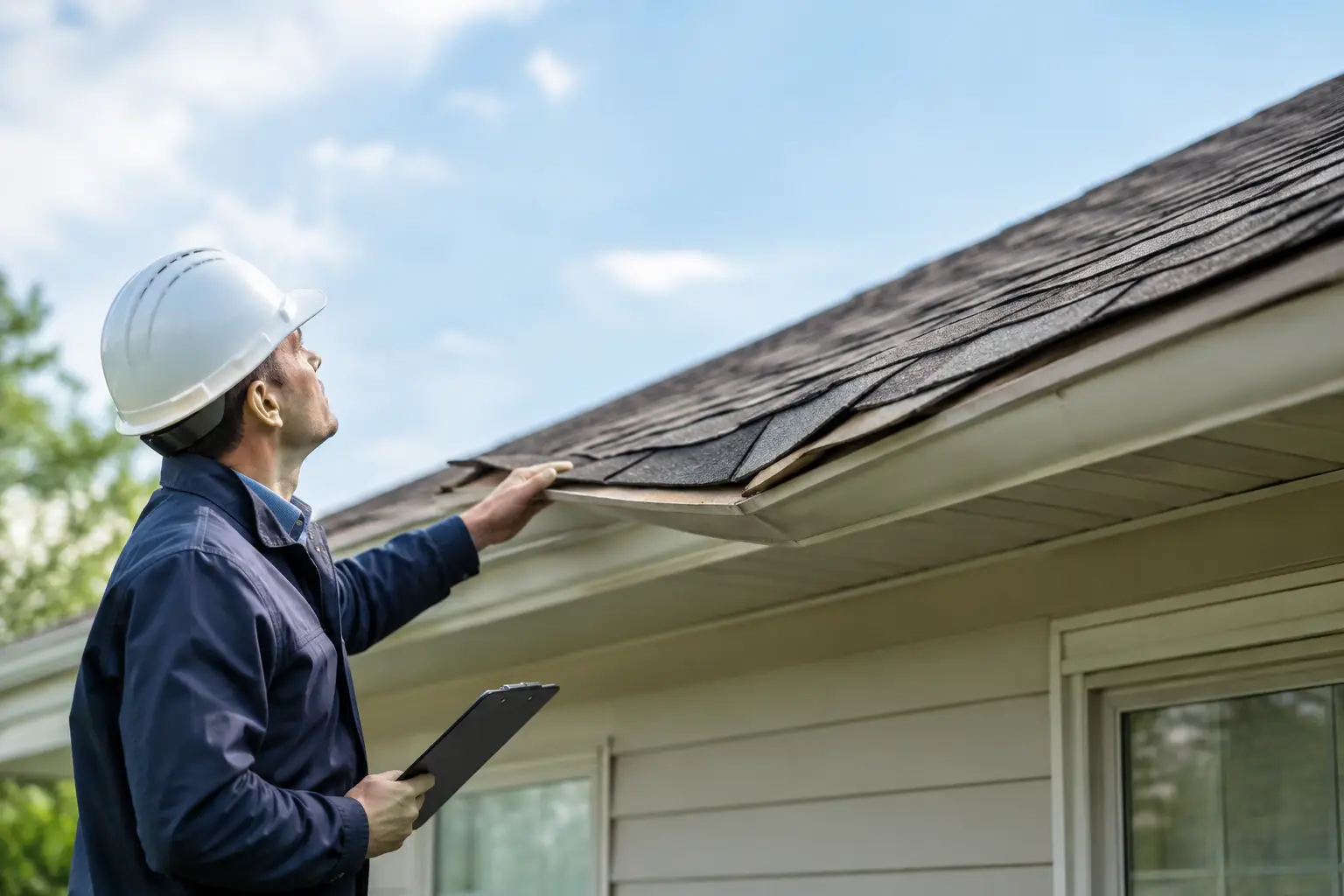
Start with a roof inspection. A professional inspection can identify missing shingles, aging flashing, weak ventilation, blocked soffits, drainage issues, and signs of previous ice backup. It can also reveal whether the attic is likely losing heat in ways that are driving the problem.
Next, look at attic insulation and ventilation as a system, not as separate upgrades. If an attic is packed with insulation but soffit vents are blocked, the roof may still perform poorly. If ventilation is present but warm air is leaking from below, the attic may still be too warm. The most effective prevention plan balances both.
Gutter cleaning should also be part of seasonal preparation. Leaves, needles, and granule buildup can interfere with drainage at exactly the wrong time. In addition, trimming back overhanging branches can reduce the volume of debris and help sunlight reach parts of the roof more evenly.
If your home has had recurring ice dams, do not ignore the pattern. Repeated winter icing usually points to an underlying building performance issue that should be corrected rather than managed season by season.
What not to do when ice appears
When homeowners see heavy ice at the roof edge, the first instinct is often to chip it away. That can do more harm than good. Hammers, metal tools, and aggressive scraping can crack shingles, damage gutters, and loosen flashing. The repair bill after that kind of DIY effort can be much higher than the cost of professional help.
Rock salt is another common mistake. Salt products can stain or damage roofing materials, corrode metal components, and harm landscaping below. Heated cables are sometimes used as a temporary control measure, but they need to be installed correctly and are not a substitute for fixing insulation and ventilation problems.
If water is actively entering the building, professional steam removal is usually the safest way to address an existing ice dam. Steam can remove the ice without the mechanical damage caused by chopping or prying. That said, emergency removal deals with the symptom. It does not address why the ice dam formed in the first place.
How to prevent ice dams in older and coastal Connecticut homes
Older homes often have the highest risk because they may combine outdated insulation, irregular framing, and ventilation layouts that were never designed for modern energy expectations. Additions can make this worse when new and old roof sections connect without a fully integrated attic system.
Coastal properties face another layer of complexity. Wind exposure, salt air, and winter storms can put added stress on roofing materials and flashing details. A home near the water may also experience different snow and thaw patterns than an inland property. That is why local roofing experience matters. A contractor who understands how Connecticut winters affect different roofing systems can spot risk factors that a generic checklist misses.
For both residential and commercial buildings, the right prevention strategy depends on the structure. A warehouse, office building, multifamily property, or historic home may each require different drainage, insulation, or ventilation solutions. The goal is the same in every case: keep roof temperatures stable, move water off the roof properly, and protect vulnerable areas before damage starts.
When it is time to bring in a roofing professional
If you have seen recurring icicles, interior stains after snowfall, peeling paint near exterior walls, or uneven snow melt on the roof, it is time for a closer look. These are not just winter annoyances. They are signs your roofing system may not be performing the way it should.
A qualified roofing contractor can assess the roof covering, flashing, ventilation paths, underlayment protection, and visible signs of moisture intrusion. In some cases, the fix may be targeted maintenance or attic improvements. In others, especially where the roof is older or repeatedly compromised, replacement may be the more cost-effective long-term option.
At Rick’s Main Roofing, winter roof issues are evaluated with the full system in mind, because preventing leaks starts well before water reaches the ceiling.
Ice dams are easier to prevent than to repair after the damage spreads. If your roof has shown signs of winter stress, this is the season to correct the cause and protect the property before the next storm arrives.