

A roof claim usually starts with stress, not paperwork. You hear dripping in the attic, find shingles in the yard, or notice water stains spreading across a ceiling after a storm rolls through Fairfield County. This storm damage roof insurance guide is built to help property owners respond in the right order, protect the building from further damage, and avoid common claim problems that can cost time and money.
Storm damage claims can be straightforward, but they can also get complicated fast. The difference often comes down to what you do in the first 24 to 72 hours. Good documentation, a prompt professional inspection, and a clear understanding of what your policy may or may not cover can put you in a much stronger position.
What counts as storm damage to a roof
Insurance companies usually look for sudden, accidental damage caused by a covered event. That often includes wind, hail, falling tree limbs, and in some cases damage tied to heavy rain entering through a storm-created opening. In Connecticut, storms can also expose roof weaknesses caused by coastal weather, aging materials, flashing failure, or ice-related stress from prior seasons.
That is where many claims get disputed. A carrier may agree that a storm happened but question whether the roof was damaged by that event or whether the problem was already developing because of wear and tear, poor maintenance, or an older roof system near the end of its service life. A lifted shingle after a wind event may be covered. Granule loss from years of exposure usually is not. The details matter.
Different roofing materials can also show storm damage in different ways. Asphalt shingles may crease, tear, or lose tabs. Slate can crack from impact. Metal panels may dent or separate at seams. Cedar can split or loosen. Low-slope commercial systems may show punctures, membrane damage, or displaced edge components. A proper inspection should match the material, not rely on a one-size-fits-all checklist.
First steps in a storm damage roof insurance guide
Start with safety. If there is active leaking, bubbling drywall, sagging ceilings, or downed power lines near the structure, keep occupants out of affected areas and address immediate hazards first. Do not climb on the roof after a storm unless conditions are safe and you are trained to do so.
Next, document what you can see from the ground and from inside the building. Take clear photos of missing shingles, fallen branches, damaged gutters, siding impact, ceiling stains, wet insulation, or anything else that appears connected to the storm. If your property has multiple roof sections, photograph each elevation. Time-stamped photos and videos can help establish the condition of the property right after the event.
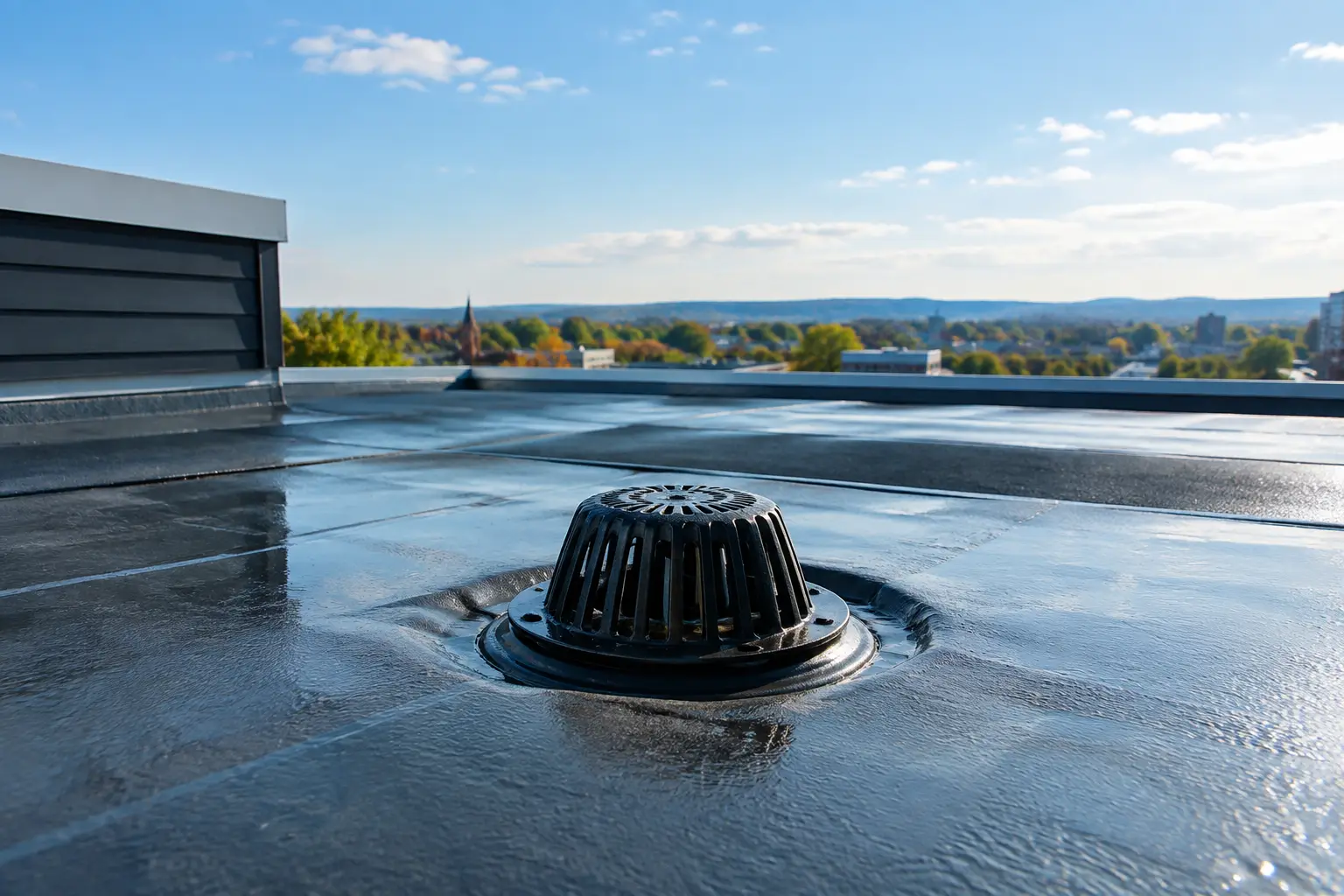
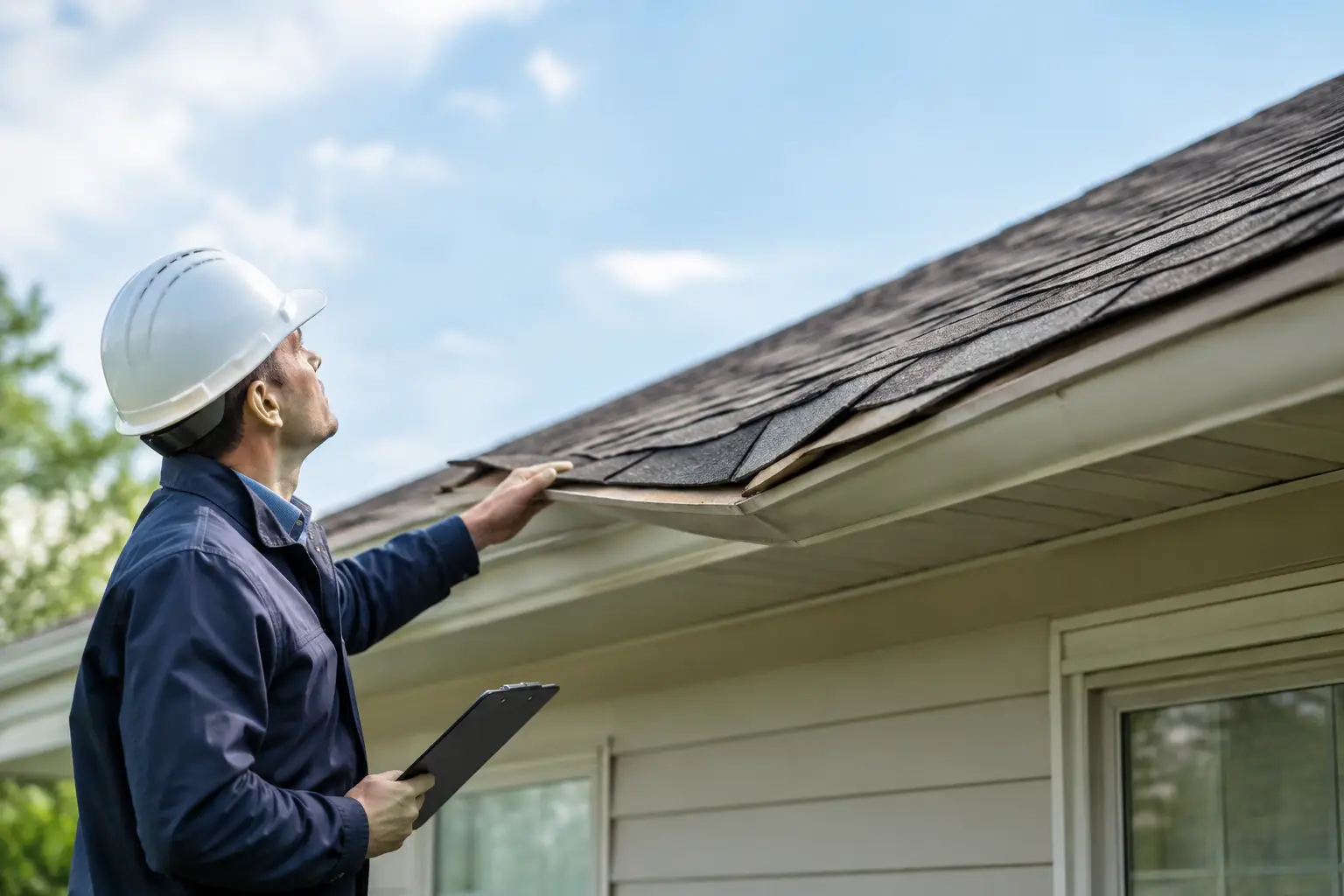
Then arrange for a professional roof inspection as soon as possible. A qualified roofing contractor can identify storm-related issues that are easy to miss from the ground, including lifted shingles, broken seal strips, punctures, flashing damage, ridge cap loss, and hidden entry points for water. For commercial buildings, the inspection should also include drains, scuppers, parapet details, rooftop units, and membrane seams.
Temporary protection matters too. If the roof is exposed, emergency tarping or other short-term measures may be necessary to prevent further damage. Most insurance policies expect property owners to take reasonable steps to mitigate loss. That does not mean completing permanent repairs before the claim is reviewed. It means acting responsibly to keep a bad situation from getting worse.
What to do before you file the claim
Filing too quickly without enough information can create problems. Before you call the carrier, review your policy if you have it available. Look for your deductible, any exclusions, whether depreciation applies, and whether the policy pays actual cash value or replacement cost. Those details affect what the claim may be worth and what costs may remain out of pocket.
It also helps to have a contractor inspection report or at least a documented professional opinion before the adjuster visit. If you report vague concerns without clear evidence, the claim may be framed too narrowly from the start. On the other hand, if you wait too long, the insurer may question whether the damage relates to the storm at all. There is a balance between moving promptly and moving with facts.
When you do file, be specific. Report the date of the storm if known, the areas where damage was observed, and whether there is active leaking or interior impact. Keep a record of every conversation, including claim numbers, names, dates, and what was discussed.
How the insurance inspection usually works
After the claim is opened, the insurance company will typically assign an adjuster to inspect the property. The adjuster is there to assess the reported damage and determine what falls under the policy. That inspection is important, but it is not always the final word on scope.
Roof damage can be subtle, especially with wind-lifted shingles, flashing separation, fastener pull-through, or damage spread across multiple slopes. It is often helpful to have your roofing contractor present during the inspection so the adjuster can see the same problem areas and discuss them in real time. That can reduce misunderstandings and help ensure the carrier is looking at the full picture.
Sometimes the insurer approves repairs to a portion of the roof. Sometimes it approves more extensive replacement. In other situations, the carrier may deny the claim or approve only interior damage while disputing the roof itself. That does not automatically mean the decision is correct. It means the documentation and technical explanation need to be reviewed carefully.
Common claim issues property owners run into
The most common problem is waiting too long. A delayed inspection can allow water intrusion to spread and make it harder to separate storm damage from resulting deterioration. Another issue is assuming every leak after a storm is covered. Leaks often show up during storms, but the underlying cause may be old flashing, aging sealants, or prior installation issues.
A second issue is accepting a very limited scope without comparing it to the actual roof condition. If only a few shingles are listed but there is matching damage on multiple elevations, the estimate may be incomplete. With older roofs, repairability and material matching can also become major factors. Even if the direct damage appears limited, the roof system may not be reasonably restorable to a uniform condition depending on product availability and local requirements.
Commercial owners and property managers face additional complications. Water can travel far from the point of entry, making damage harder to trace. Rooftop equipment, drainage problems, and parapet transitions can all affect the claim. A thorough inspection is especially important on flat and low-slope systems because damage is not always obvious from a quick walkover.
Why local roofing expertise matters
Storm claims are not handled in a vacuum. Connecticut roofs deal with wind-driven rain, winter freeze-thaw cycles, coastal exposure, and ventilation issues that can affect how damage appears and how repairs should be performed. A contractor familiar with these conditions can often spot the difference between fresh storm impact and older performance issues.
That matters during both the inspection and the repair process. The right repair is not just about replacing what is visibly broken. It is about restoring the roof system so it performs properly going forward. That includes underlayment, flashing details, ventilation, edge metal, drainage, and material compatibility. For historic homes, premium properties, and specialized commercial systems, those details carry even more weight.
For property owners in Norwalk and surrounding communities, working with an experienced local contractor can also improve response time when emergency service is needed. Rick’s Main Roofing regularly works on residential and commercial systems across Fairfield County, including asphalt, slate, cedar, metal, and low-slope roofs, which is important when the claim involves more than a standard shingle repair.
After approval: repair, replacement, and paperwork
Once the claim is approved, review the insurer’s scope and pricing against the contractor’s findings. If there are differences, they should be addressed before work begins when possible. Supplements are common in roofing claims, especially when hidden damage is found after removal begins.
Keep all records organized. Save inspection reports, photos, emergency mitigation invoices, adjuster notes, and final repair documents. If depreciation is recoverable under your policy, make sure the required paperwork is submitted after the work is complete. Missing that step can leave money unclaimed.
If the claim is denied, do not assume the matter is closed. Ask for the reason in writing and compare it with the contractor’s documentation. Some denials are based on limited observations, incomplete scope, or disagreements over cause. A more detailed inspection record can make a difference.
A practical storm damage roof insurance guide for better outcomes
The best claim outcomes usually come from a simple approach: act quickly, document thoroughly, involve a qualified roofing professional early, and do not confuse emergency protection with permanent repair. Insurance can help restore storm-related damage, but only when the damage is clearly identified and properly supported.
If your roof was hit by a recent storm, the smartest next step is not guessing from the ground. It is getting a professional inspection that tells you what happened, what needs immediate attention, and whether an insurance claim is likely to stand on solid ground.