

When a roof starts leaking in the middle of winter, the stain on the ceiling is usually only part of the problem. In many Connecticut homes and commercial buildings, ice dam roof damage repair becomes necessary after trapped meltwater works its way under shingles, soaks roof decking, and reaches insulation, walls, or interior finishes.
Ice dams are common in our region because snow, freeze-thaw cycles, and uneven attic temperatures often happen at the same time. The danger is not the ridge of ice itself. The real issue is the water backing up behind it. Once that water gets beneath the roofing system, damage can spread quickly and stay hidden longer than most property owners expect.
What causes ice dam roof damage?
An ice dam forms when snow on the upper section of the roof begins to melt, usually because heat is escaping from the building or because the sun has warmed part of the roof surface. The meltwater runs down toward the colder eaves and refreezes there. Over time, that frozen edge grows and traps additional water behind it.
That trapped water has nowhere to go except under the roofing material. Asphalt shingles are especially vulnerable when water backs up beneath them, but cedar, slate, metal, and low-slope roofing systems can also be affected in different ways. On homes with older flashing, worn underlayment, or previous repair issues, the damage can show up faster.
In Fairfield County, this problem is often tied to a combination of inadequate attic insulation, poor ventilation, air leakage from the living space below, and weather patterns that shift from snow to sun to deep overnight freeze. Coastal conditions can add another layer of stress because wind-driven moisture and temperature swings make roofs work harder.
Signs you need ice dam roof damage repair
Some warning signs are obvious, and some are easy to miss until the damage is more extensive. Interior leaks during or shortly after snow events are one of the clearest signs. So are water stains near exterior walls, damp insulation in the attic, peeling paint, warped trim, or a musty smell that develops after winter moisture gets trapped in the structure.
From the outside, you may notice thick ice buildup along the eaves, large icicles, lifted shingles, bent gutters, or sections of roof where melting appears uneven. On commercial properties, signs can include wet ceiling tiles, insulation saturation, membrane seam stress, or recurring perimeter leaks.
It depends on the roof system, but visible ice alone does not always mean the roof has failed. Some roofs develop ice at the edge without immediate leakage. Others allow water intrusion with very little visible buildup. That is why a professional inspection matters. The source of the problem may be above the leak, below the leak, or spread across several areas of the roof assembly.
Why fast repair matters
Ice dam damage tends to spread in layers. What begins as a small leak can become deteriorated decking, compromised underlayment, mold risk, insulation loss, and interior finish damage. If water reaches framing or repeatedly wets the same section of roof, repair costs rise because the issue is no longer limited to the exterior surface.
Speed matters for another reason. Temporary winter conditions can hide the full extent of the damage. Once the snow and ice melt away, property owners sometimes assume the problem is over. In reality, the roof may be left with loosened shingles, exposed fasteners, soft decking, damaged flashing, or ventilation issues that will cause the same failure next winter.
Prompt action helps limit interior damage and gives a roofer the chance to address both the leak path and the underlying cause.
Ice dam roof damage repair: what the process should include
A proper repair starts with diagnosis, not guesswork. If a contractor only removes visible ice or patches the leak area without evaluating attic conditions, ventilation, flashing, and the roof deck, the problem may return.
Inspection of the roofing system
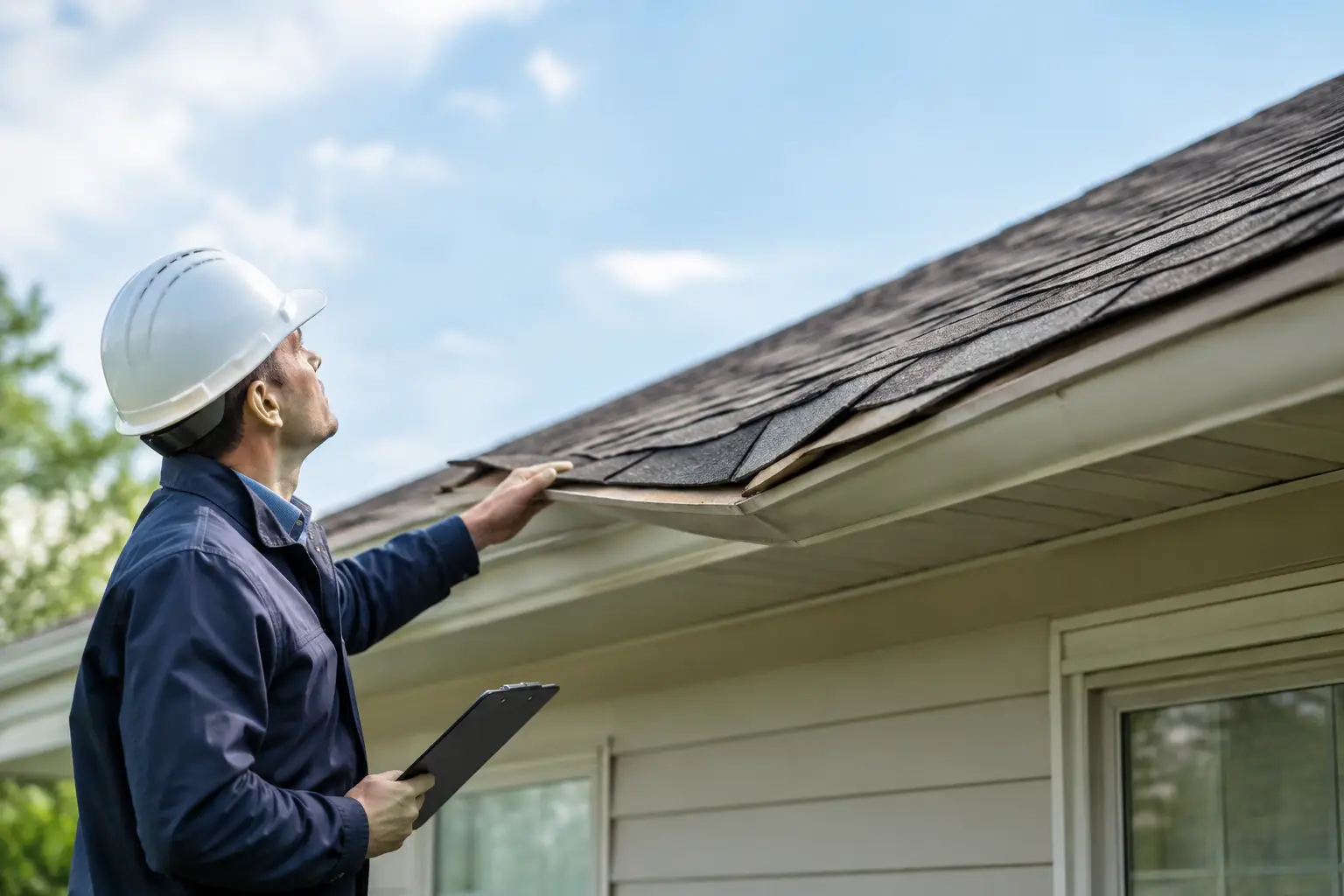
The first step is identifying where water entered and how far it traveled. That can involve checking shingles or other roof coverings, flashing at chimneys and walls, valleys, penetrations, soffits, gutters, and the roof edge. Inside the attic or upper floor, the inspection should also look for wet insulation, staining, mold potential, and signs of air leakage.
Removal of damaged roofing materials
Once the affected area is identified, damaged shingles, underlayment, flashing, or membrane sections may need to be removed. If the roof deck has softened or delaminated, that substrate must be replaced before new roofing materials go on. Covering damaged wood without correcting it only shortens the life of the repair.
Restoration of waterproofing components
Ice dam roof damage repair should include the layers that actually stop water, not just the visible roof covering. Depending on the roof type, that may mean replacing underlayment, installing proper ice and water barrier protection, repairing flashing details, and reinstalling shingles or other roofing material to manufacturer standards.
Correction of contributing conditions
This is the step many quick fixes skip. If the building is losing heat into the attic, if ventilation is imbalanced, or if insulation is inadequate, the same roof section may continue to form ice dams. In some cases, the exterior repair is straightforward but the lasting solution depends on attic air sealing and ventilation improvements.
Repair or replacement?
Not every ice dam problem requires a full roof replacement. If the damage is localized and the roof is otherwise in good condition, a targeted repair may be the right move. That is often the case when the issue is caught early and confined to one roof edge, valley, or flashing area.
A replacement becomes more likely when the roof is already near the end of its service life, when water intrusion has affected broad sections of decking, or when repeated winter leaks suggest the roofing system has widespread weaknesses. Older roofs with multiple repair layers, brittle shingles, or chronic ventilation issues often make repair a short-term answer at best.
For commercial buildings, the decision can depend on whether the leak is isolated to flashing and edge detail work or tied to larger membrane deterioration and insulation saturation. A careful evaluation protects you from spending money twice.
Material-specific considerations
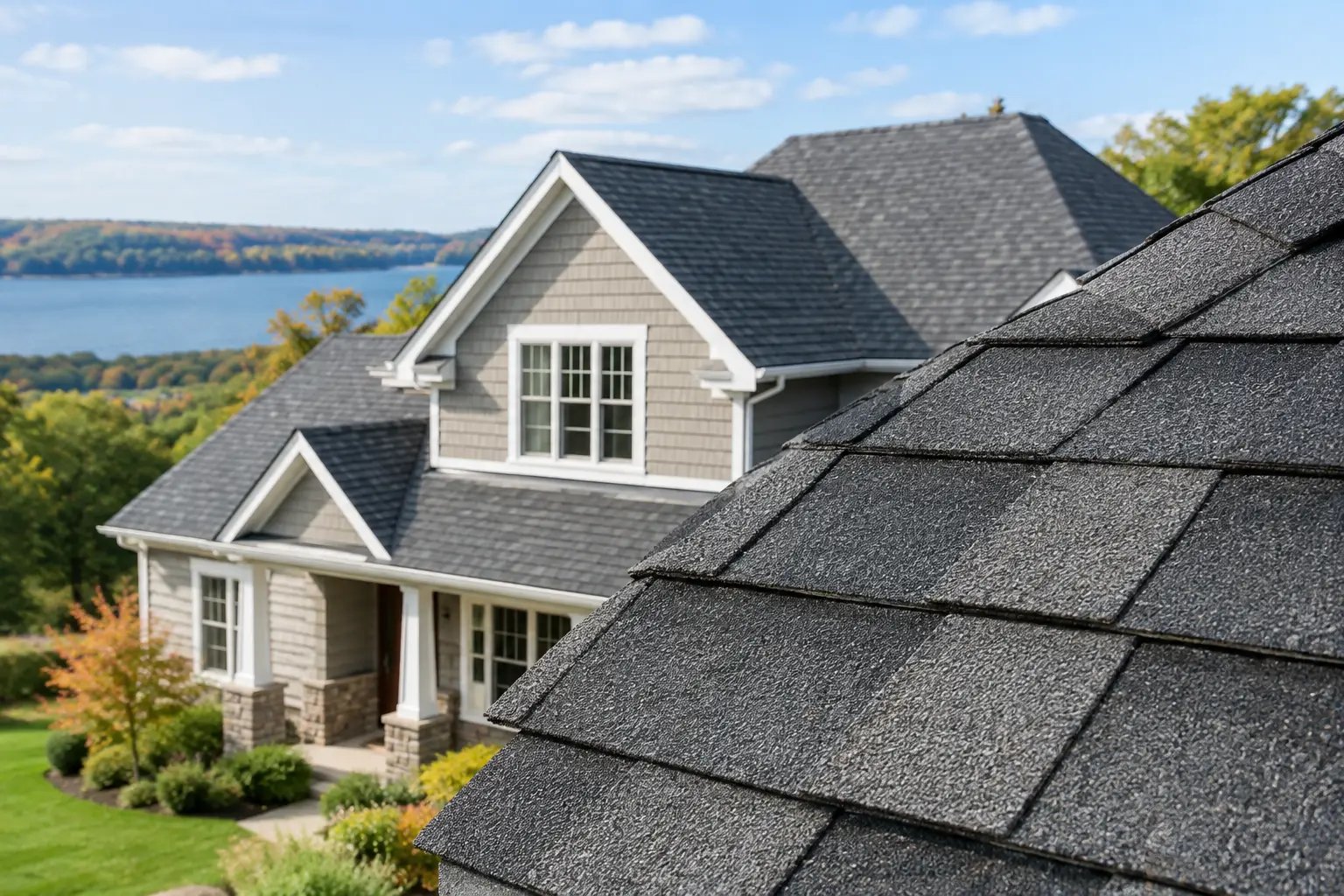
Different roofing materials respond differently to ice dam conditions. Asphalt shingles can lift, crack, or lose granules when water backs up and refreezes. Cedar roofs need careful handling because trapped moisture affects both the roofing and the underlying wood structure. Slate requires specialized repair techniques so surrounding tiles are not damaged during removal and replacement.
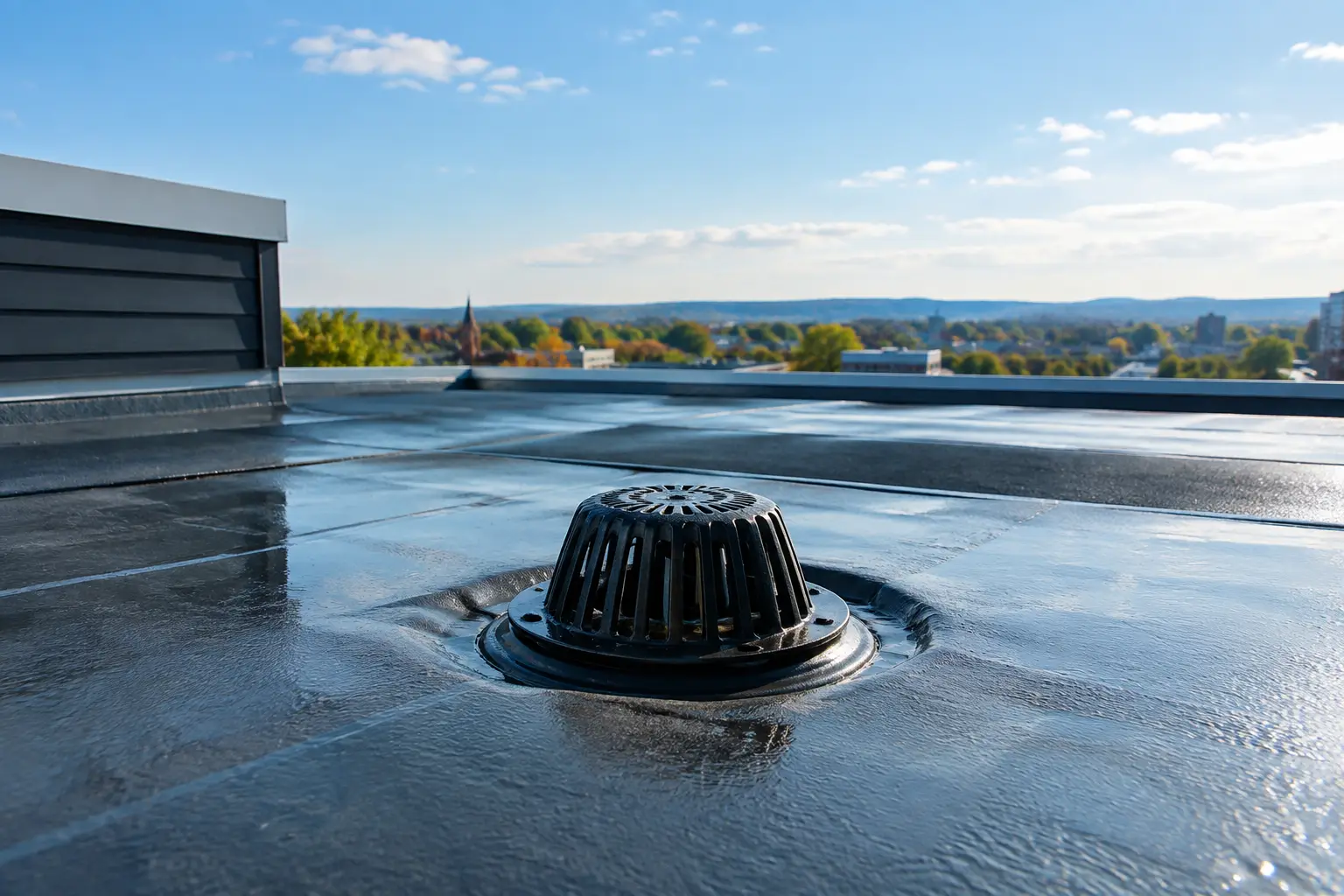
Metal roofs can still experience ice dam-related problems, especially around penetrations, transitions, and eave details, even though they shed snow differently than shingle systems. On rubber and other low-slope commercial roofs, perimeter ice and drainage issues can increase the risk of standing water and membrane stress.
That is why the right repair approach depends on the roof you actually have, not a one-size-fits-all winter patch.
Preventing the next ice dam after repair
The best repair work should reduce the chance of repeat damage. That usually means looking beyond the visible leak and improving how the entire roof system performs in winter.
In many buildings, prevention includes better attic insulation, balanced intake and exhaust ventilation, sealing warm air escape points, and making sure gutters and roof edges are in sound condition. On some homes, problem areas are concentrated over additions, cathedral ceilings, dormers, or sections where older construction created uneven thermal performance.
For property owners in Norwalk and across Fairfield County, regular roof inspections before and after winter are a practical way to catch weak spots early. Small flashing issues, aging sealants, and isolated shingle damage are far easier to address before snow loads and freeze-thaw cycles turn them into interior leaks.
When to call a roofing professional
If you see water entering the building, sagging materials, heavy edge ice, or signs that snowmelt is backing up beneath the roof covering, it is time to call a qualified roofer. This is especially true if the building has a steep roof, a slate or cedar system, or prior leak history. Trying to chip away ice or forcefully remove snow can damage the roof and create a safety hazard.
An experienced local contractor understands how Connecticut winter conditions affect different roof systems and what repair details hold up over time. Rick’s Main Roofing works with residential and commercial properties across this region, including homes and buildings that face recurring ice dam conditions because of age, design, exposure, or ventilation challenges.
A winter leak always feels urgent, but the right response is not just to stop the drip. It is to repair the roof in a way that protects the structure, addresses the cause, and leaves you in a stronger position before the next storm arrives.