

A slate roof rarely fails all at once. More often, it starts with a slipped tile after a winter freeze, a flashing issue around a chimney, or a leak that shows up only during wind-driven rain. For homeowners and property managers considering slate roof restoration CT services, the real question is not just whether the roof can be repaired. It is whether the work will protect the building, preserve the roof’s character, and make financial sense for the long term.
Slate is one of the most durable roofing materials in use, but durability is not the same as maintenance-free. In Connecticut, slate roofs deal with freeze-thaw cycles, snow load, coastal moisture, storm exposure, and aging metal components. The slate itself may still have decades of life left, while the fasteners, flashing, underlayment, or surrounding roof areas are the true source of trouble. That is why restoration requires experience with both the material and the local conditions that shorten roof life.
What slate roof restoration in CT actually means
Restoration is not the same as patching a leak, and it is not always the same as full replacement. A proper slate roof restoration in CT usually involves a detailed inspection, identification of failed or fragile slate, replacement of broken pieces with matching material, correction of flashing issues, and repair of the roof system in a way that keeps as much sound original slate in place as possible.
That distinction matters, especially on older homes, historic properties, and higher-end residences where the roof contributes to both value and appearance. A full replacement can be the right decision in some cases, but many slate roofs are removed too early because they were evaluated like asphalt roofs. Slate is different. It can often be restored section by section if the majority of the field slate remains serviceable.
A sound assessment looks beyond the visible leak. It considers slate thickness, signs of delamination, nail fatigue, copper or steel flashing condition, ridge and valley wear, and how water is moving across the roof. On Connecticut properties near the coast, salt air and moisture can accelerate corrosion in metal components even when the slate itself remains intact.
Why Connecticut slate roofs need a local approach
Connecticut weather is hard on roofing systems in ways that are easy to underestimate. Ice dams can force water under slate. Heavy snow can stress weak areas. Wind can loosen slate on ridges, hips, and exposed slopes. Older homes may also have ventilation issues in the attic that contribute to moisture buildup and winter roofing problems.
That is why local experience matters. A contractor handling slate restoration needs to understand not just the tile, but also how Connecticut roof assemblies perform over time. Flashing details around chimneys, dormers, valleys, and masonry transitions are often where failure begins. If those details are repaired incorrectly, the roof may look better for a short time but continue leaking during the next severe weather cycle.
For historic and architecturally distinctive homes, restoration also has to respect the original roof design. Mismatched slate, visible repair shortcuts, and improper fastening methods can reduce curb appeal and create future failure points. Skilled restoration protects both function and appearance.
Signs your slate roof may need restoration
Some warning signs are obvious, such as interior water stains, broken slate on the ground, or active leaks during storms. Others are more subtle. You may notice isolated missing pieces, slate that appears to be slipping out of alignment, rust staining near flashing, or gutters collecting fragments from deteriorating tiles.
Age alone is not enough to determine the next step. One 80-year-old slate roof may need targeted restoration and continue performing well for years. Another may have widespread fastening failure or slate deterioration that makes replacement more practical. The difference is in the condition of the system, not the number on paper.
Property owners should also pay attention after major storms. Wind-driven rain can expose weaknesses that were previously hidden. A roof may hold up through ordinary weather and then suddenly show leakage during a coastal storm or prolonged freeze-thaw period. Prompt inspection helps prevent small failures from turning into structural repairs, insulation damage, or interior finish loss.
When restoration makes sense and when it may not
Restoration is often the best choice when the slate is largely intact and the main issues involve localized breakage, failed flashing, isolated leaks, or aging accessories. In these cases, preserving the roof is typically more cost-effective than replacing the entire system, and it allows the property to retain the appearance and performance slate is known for.
It may be less practical when there is widespread slate deterioration, extensive fastening failure across multiple slopes, major deck damage, or repeated poor-quality repairs that have compromised the system. Even then, the decision should come from a material-specific inspection, not a guess based on leak frequency.
This is where owners benefit from a contractor who works across repair, restoration, and full replacement. If the company only wants to sell one type of job, the recommendation may not reflect the roof’s actual condition. An experienced roofing contractor should be able to explain the trade-offs clearly. Restoration may cost more upfront than a simple patch, but less than replacement. Replacement may be a smarter long-term investment when the roof has reached the point where repeated restoration becomes inefficient.
What a quality restoration process should include
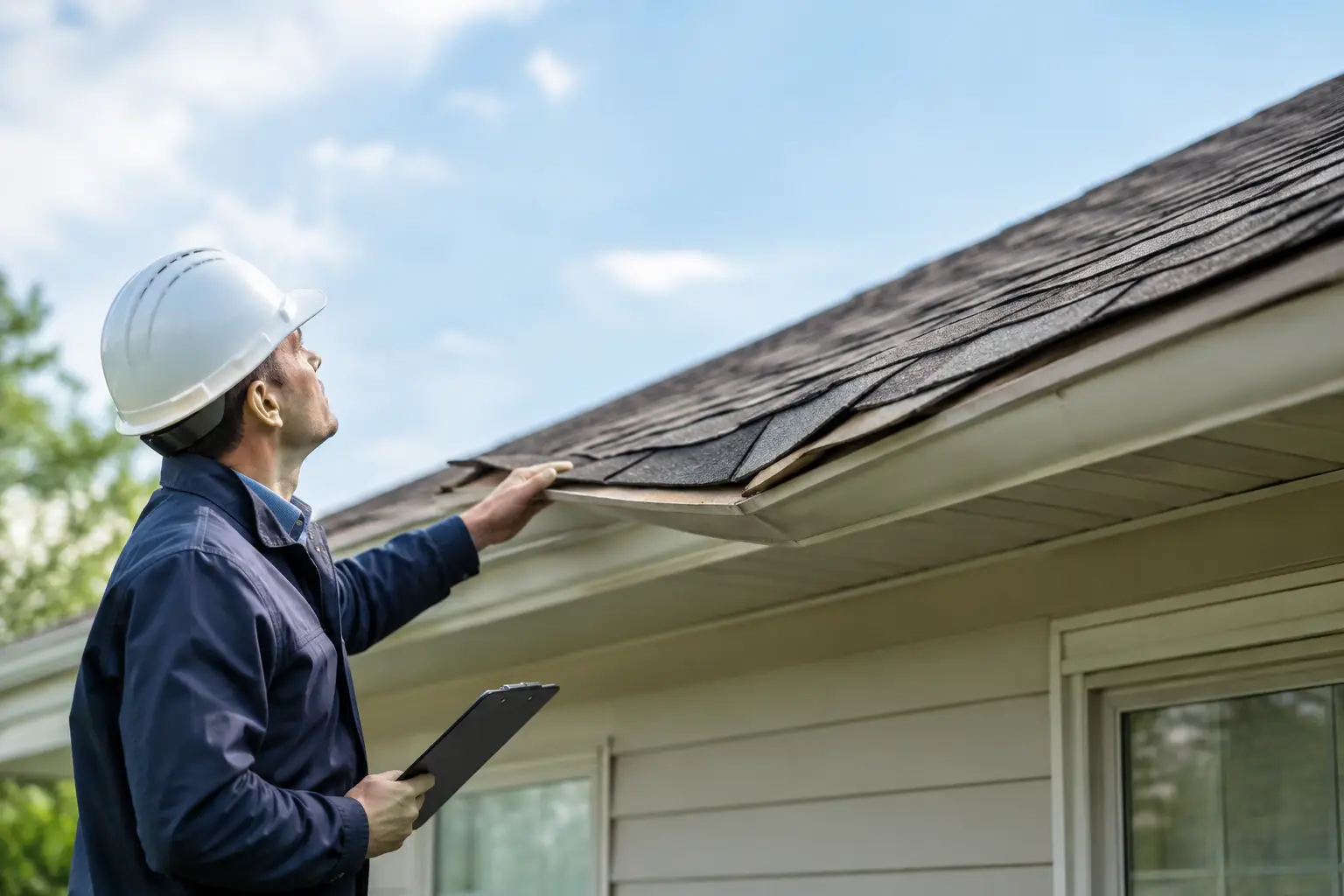
A reliable slate restoration project starts with a close inspection of the entire roof system, not just the area where water entered the building. Leaks often travel. The visible stain inside may be several feet away from the real problem.
From there, the work typically focuses on preserving serviceable slate while correcting the components that have failed. Broken or missing slate should be replaced with pieces that match as closely as possible in size, thickness, and color. Flashing around chimneys, valleys, and penetrations should be evaluated for corrosion, separation, and improper previous repairs. If metal is failing, simply replacing slate above it will not solve the problem.
Proper fastening also matters. Slate can crack if handled carelessly or installed with the wrong technique. Restoration crews should understand how to remove and replace slate without damaging surrounding courses. On older homes, experience with historic roofing practices is especially important.
The best results come from treating restoration as skilled roofing work, not as a temporary leak stop. That means careful material selection, attention to roof geometry, and an understanding of how the repaired sections will perform alongside the original roof.
Slate roof restoration CT owners can plan around
For homeowners and property managers, timing is part of the decision. A restoration project can often be scheduled before a roof reaches emergency status, which helps control cost and reduce disruption. That is especially valuable for occupied homes, multifamily properties, and commercial buildings where active leaks can interfere with daily use.
Routine inspections are a practical way to catch slate issues early. The goal is not to create unnecessary work. It is to identify isolated failures while they are still isolated. A few slipped tiles or a deteriorated flashing detail can be addressed far more efficiently than a leak that has already affected sheathing, insulation, plaster, or interior finishes.
In Fairfield County and nearby Connecticut communities, the right service plan often depends on property type. A historic home may need a preservation-minded approach. A coastal property may require closer attention to metal components and storm exposure. A commercial or institutional building with slate features may need repair scheduling that minimizes operational disruption. The roofing strategy should fit the building, not the other way around.
Rick’s Main Roofing serves property owners in Norwalk and across the surrounding area with the kind of local roofing knowledge this material demands. On slate, that means knowing when to restore, how to repair correctly, and when to recommend replacement only after the facts support it.
A slate roof is one of the few building components that can still be worth saving long after other roofing materials would be replaced. If yours is showing signs of wear, the smartest next step is not to wait for the next storm. It is to get a clear assessment from a contractor who understands what a Connecticut slate roof needs to keep doing its job.