

A roof leak rarely starts as a dramatic ceiling collapse. More often, it begins with a faint water stain, a musty smell in the attic, or a small drip that only shows up after wind-driven rain. If you are trying to learn how to spot roof leaks early, the goal is simple – catch the problem before moisture spreads into insulation, framing, drywall, flooring, or electrical components.
In Connecticut, leaks can be especially deceptive. Ice dams, freeze-thaw cycles, coastal storms, aging flashing, and heavy rain can all force water into places that do not line up neatly with the point where you see damage indoors. That is why leak detection takes more than a quick glance at a ceiling stain.
How to spot roof leaks inside the building
The first signs usually appear indoors, not on the roof itself. Water travels along rafters, decking, insulation, and wall cavities, so the visible evidence may be several feet away from the actual roof failure.
Ceiling stains are one of the most common warning signs. Look for yellow, brown, or copper-colored rings on painted ceilings and upper walls. A fresh leak may appear as a darker wet patch, while an older recurring leak often leaves a dry stain with defined edges. If the stain grows after rain, that is a strong signal that active water intrusion is still happening.
Peeling paint and bubbling drywall also matter. When moisture gets trapped behind finished surfaces, paint can blister and drywall tape can lift. In some homes and commercial buildings, trim near the roofline may swell or warp before a ceiling stain becomes obvious.
Attics often tell the story faster than finished rooms. If it is safe to enter the attic, check the underside of the roof deck for dark water marks, mold growth, damp insulation, rusted fasteners, or daylight showing through the roof boards. Wet insulation is a major red flag because it means water has been entering long enough to soak into the thermal barrier. Even if the leak seems small, soaked insulation loses performance and can support mold growth.
A musty odor is another clue people often dismiss. Persistent damp smells in an attic, top-floor room, or upper hallway can point to a hidden leak, especially if the odor gets stronger after rain or snowmelt.
Exterior signs that help you spot roof leaks
Once you notice possible interior damage, the next step is to look at the roof system from the ground. You do not need to climb the roof to identify many common problems, and for safety reasons, most property owners should not.
Start with the shingles or roofing surface. Missing shingles, lifted tabs, cracked shingles, exposed nail heads, punctures, or sections that look uneven can all let water in. On older asphalt roofs, widespread granule loss can indicate advanced wear. On metal, slate, cedar, or flat roofing systems, the warning signs differ, but the pattern is the same – if joints, seams, fasteners, or surface materials have failed, leaks become more likely.
Flashing is another major weak point. Roof leaks often start where the roof changes direction or meets another structure. Pay close attention to areas around chimneys, skylights, roof vents, plumbing stacks, dormers, and wall intersections. Damaged, rusted, loose, or improperly sealed flashing can allow water behind the roofing material even when the field of the roof still looks acceptable.
Gutters and downspouts also deserve attention. Overflowing gutters, heavy debris buildup, or sagging sections can back water up under the edge of the roof. In winter, ice dams can create the same issue by trapping melting snow and forcing water beneath shingles. In coastal and storm-prone areas, wind-driven rain can make these edge conditions even worse.
Common places leaks start
If you are trying to narrow down where a leak is coming from, it helps to know the most common failure points. Roof penetrations are high on the list because every vent pipe, exhaust hood, skylight, and mechanical curb interrupts the roof surface. These areas depend on proper flashing and sealing, and they tend to wear faster than the rest of the roof.
Valleys are another trouble spot. Since they handle a large volume of runoff, any weakness in the valley lining or surrounding shingles can lead to leaks. Chimneys are frequent culprits as well, especially when flashing has separated from the masonry or when mortar joints have deteriorated.
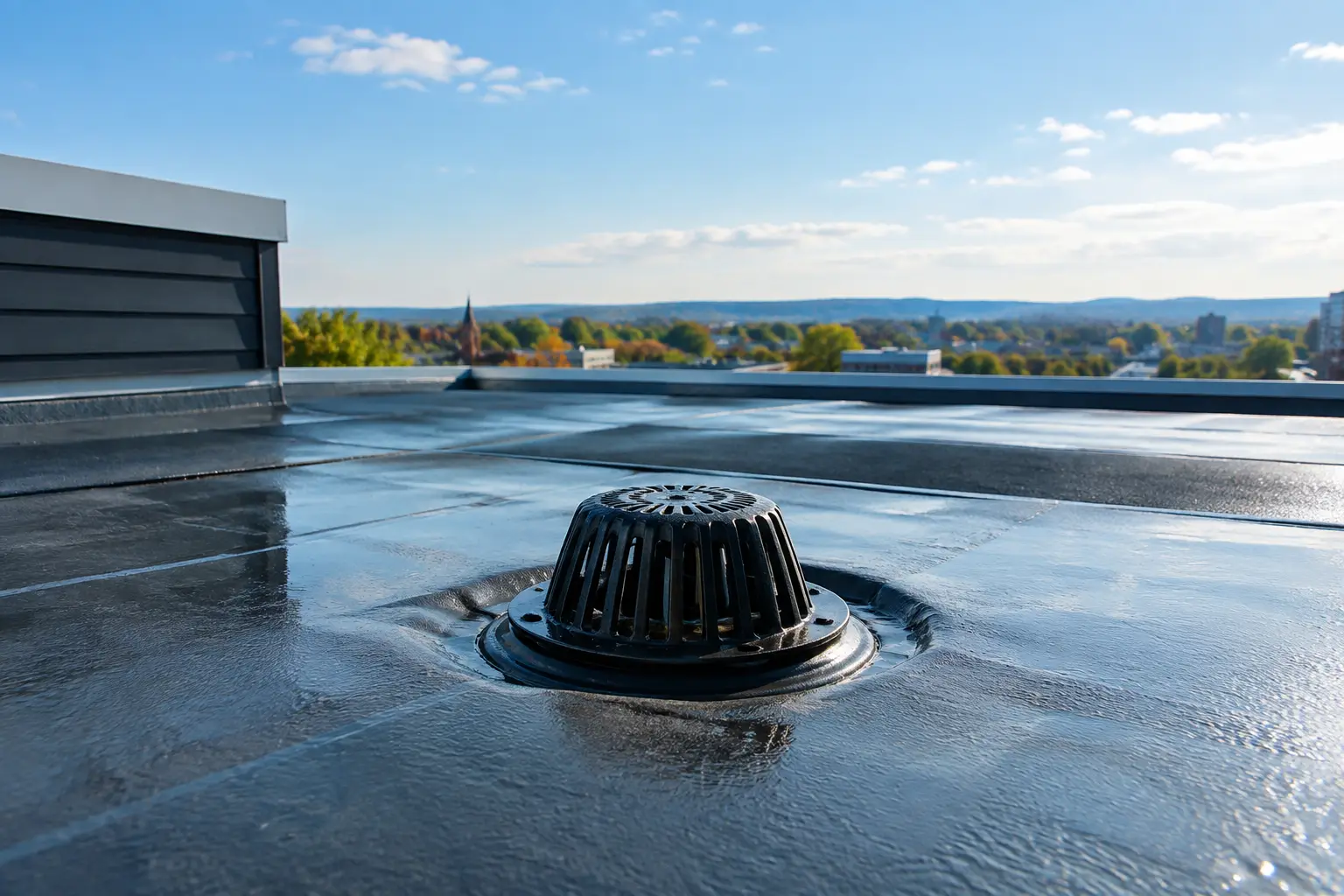
On low-slope and commercial roofs, ponding water, membrane seam failure, punctures, and flashing separation are common causes. On older homes, ventilation issues can contribute to moisture problems that look like leaks at first glance. That is where experience matters – not every water mark points to the same root cause.
How weather affects leak detection
One of the hardest parts of roof leak diagnosis is timing. Some leaks only show up during a specific weather pattern. A roof may stay dry during a light rain but leak during a windstorm. Another may only leak when snow starts to melt after a freeze.
That is why details matter. If you notice water intrusion, note when it happened, how heavy the rain was, whether wind was involved, and what part of the building was affected. This information can help a roofing professional trace the source more efficiently.
In Fairfield County and along the Connecticut coast, weather exposure can accelerate roof problems in ways property owners do not always expect. Salt air, winter ice, repeated storms, and temperature swings all put stress on flashing, sealants, fasteners, and roofing materials. A leak that seems sudden may actually be the result of gradual deterioration that finally reached a failure point.
When a stain is not just a stain
Not every ceiling mark is caused by a roof leak. Plumbing leaks, HVAC condensation, and poor attic ventilation can create similar symptoms. The difference is that a true roof leak usually follows a weather pattern and often appears near roof penetrations, exterior walls, chimneys, or roof valleys.
Still, there is overlap. Condensation from ventilation issues can dampen insulation and create mold-like staining in attics. Bathroom exhaust fans venting improperly into attic space can also create moisture damage that mimics roof failure. This is one reason visual symptoms alone do not always tell the full story.
If the stain is active, growing, or paired with exterior roof damage, treat it as urgent. Waiting too long can turn a manageable repair into structural damage, interior replacement work, or a larger mold remediation issue.
What to do if you think your roof is leaking
First, protect the interior. Move furniture, electronics, inventory, or stored items away from the affected area. If water is dripping, place a container underneath and use towels or protective sheeting to limit spread. If a ceiling bulges with trapped water, that can become a safety issue and should be handled carefully.
Next, document what you see. Take photos of stains, dripping water, attic moisture, or visible exterior damage from the ground. If the leak followed a storm, document that timing as well. This can be useful for repair planning and, in some cases, insurance discussions.
Then arrange for a professional roof inspection as soon as possible. Temporary fixes from inside the building rarely solve the source of the leak. Sealants and patch products can sometimes buy time, but they can also hide the real issue if they are used in the wrong place. A proper inspection should identify not just where water is showing up, but why it is getting in.
For homes with steep roofs, older slate or cedar systems, or commercial buildings with low-slope membranes, professional diagnosis is especially important. Different materials fail in different ways, and the right repair depends on the roof type, age, and condition.
How to spot roof leaks before major damage develops
The most effective approach is routine observation. You do not need to wait for an emergency to catch a leak early. Check ceilings and attic spaces after major storms. Watch for new stains, damp insulation, or musty odors. Walk the exterior of the building and look for missing shingles, damaged flashing, clogged gutters, or fallen branches that may have struck the roof.
Regular inspections are also worth it for aging roofs, coastal properties, historic homes, and commercial buildings with multiple penetrations or equipment curbs. The older and more complex the roof system, the more likely small defects are to go unnoticed until water reaches the interior.
If there is one practical takeaway, it is this: small signs deserve prompt attention. A minor stain, a little attic moisture, or one missing shingle may not look urgent on its own, but roof leaks rarely improve with time. They spread quietly, and they get more expensive the longer they are ignored.
When in doubt, have it checked by an experienced local roofing contractor who understands how Connecticut weather affects different roof systems. Rick’s Main Roofing works with residential and commercial properties across Norwalk and Fairfield County, and that local experience matters when a leak is not as straightforward as it first appears.
The best time to address a roof leak is when it is still small enough to fix without disrupting the rest of the building.