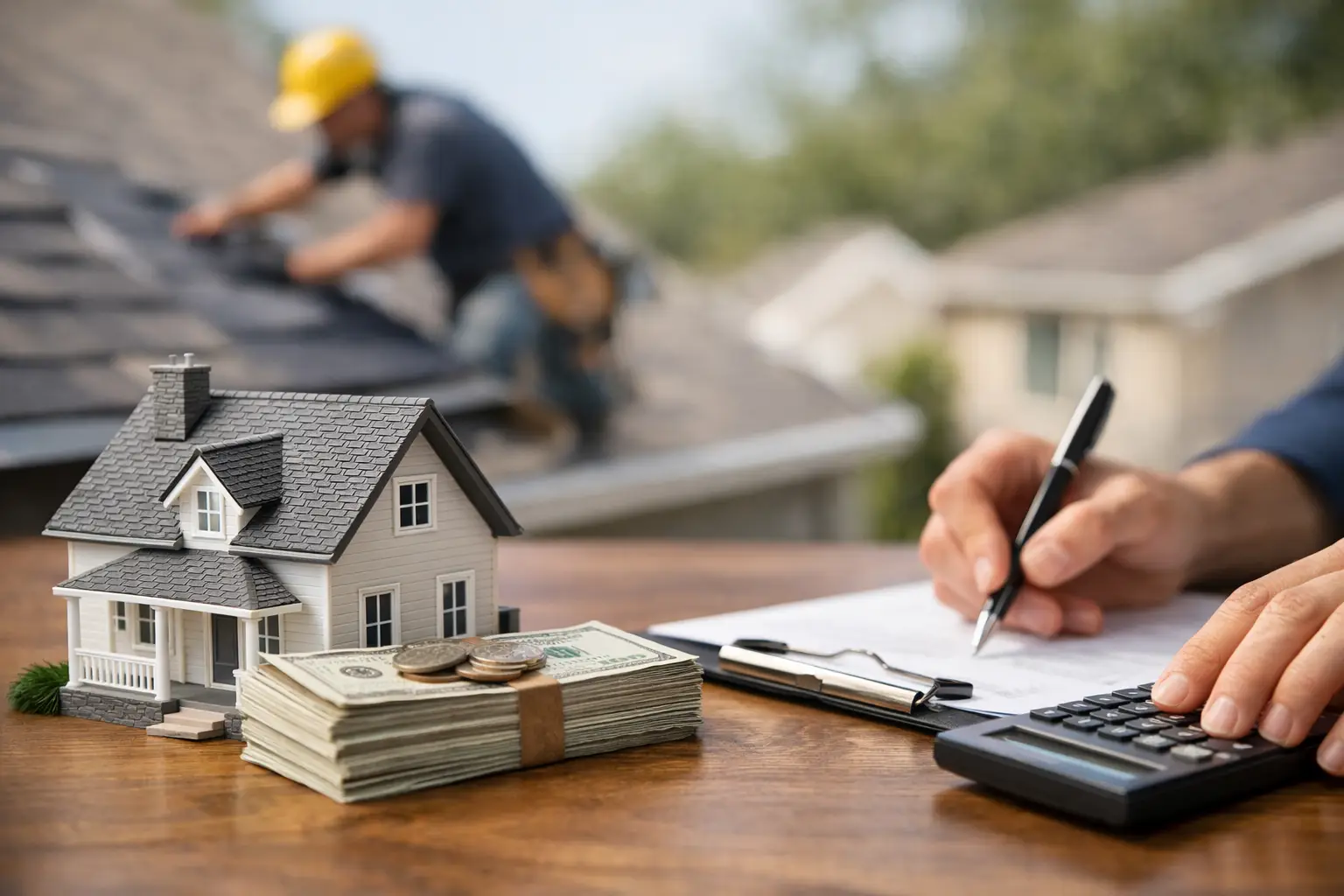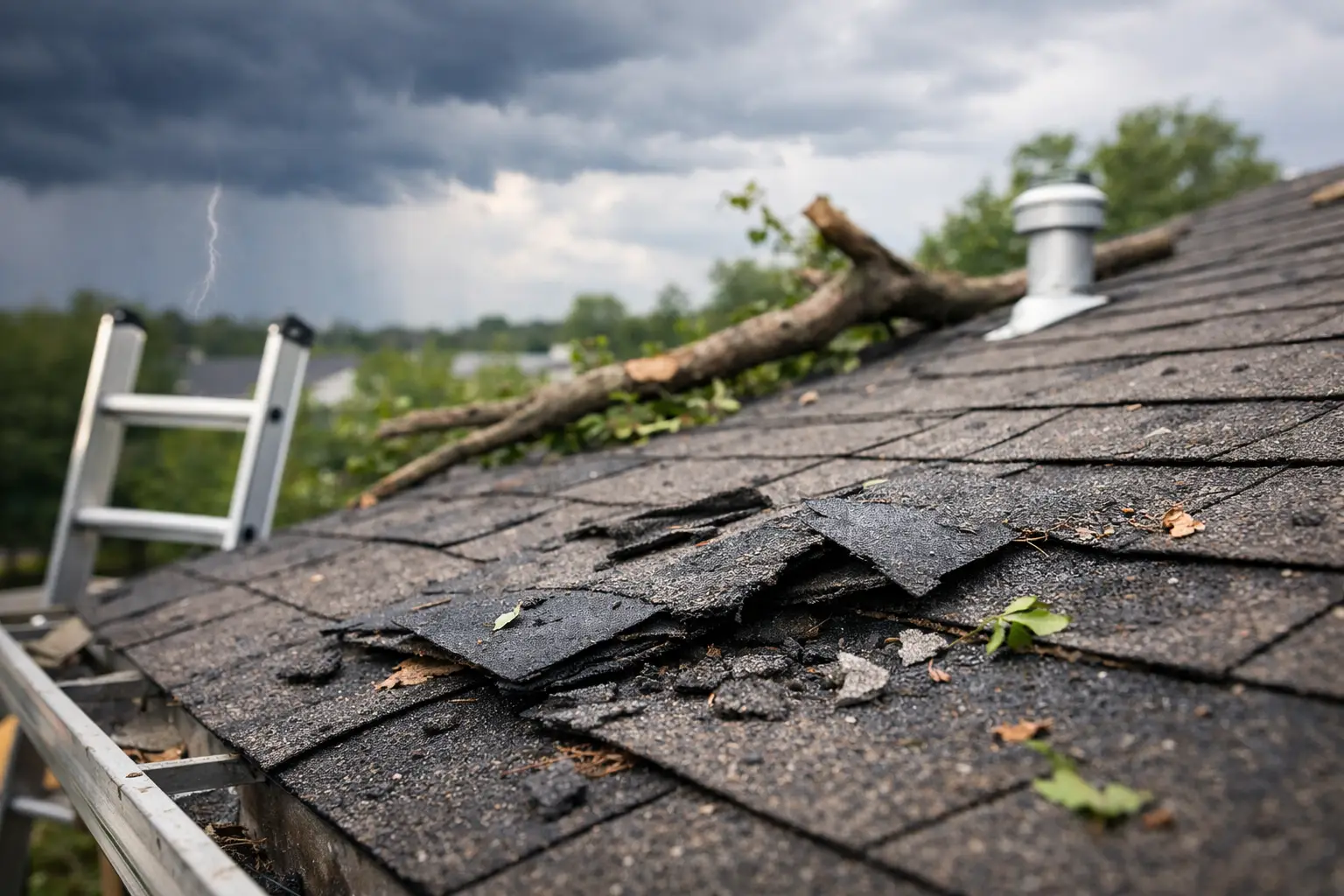


A roof replacement is rarely a purchase a property owner plans years in advance. A leak that spreads after a Nor’easter, recurring ice dams, missing shingles, or a failed commercial roof section can turn a manageable concern into a time-sensitive decision. Knowing how to finance a new roof project gives you room to protect the building without rushing into the wrong material, scope, or payment arrangement.
The right approach depends on the roof’s condition, the urgency of the work, your available cash, and whether insurance may apply. For a Fairfield County homeowner, a new roof can also be an investment in weather resistance, energy performance, appearance, and resale confidence. For a commercial owner or property manager, it may be essential to preventing business interruption and protecting tenants, inventory, and equipment.
Start With a Clear Roofing Scope and Cost
Financing should begin after a professional inspection and a detailed written estimate, not before. Roof pricing varies because each property presents different conditions below and above the shingles or roofing membrane. The visible roof covering is only part of the project.
A reliable estimate should account for roof size and pitch, material selection, existing layers, deck condition, flashing, ventilation, drainage details, chimney or skylight work, and safe removal and disposal. Coastal exposure, older construction, and historic materials can also affect the work required. A cedar, slate, metal, or low-slope commercial roof may call for specialized installation methods that differ significantly from a standard asphalt shingle replacement.
Ask whether the estimate includes the full system, including underlayment, ice and water protection where appropriate, flashing, ventilation components, permits, cleanup, and workmanship coverage. Comparing a low number to a complete scope can create problems later if essential work was excluded. At Rick’s Main Roofing, the goal of an estimate is to identify what the roof needs now and provide a practical path forward, not to sell a one-size-fits-all package.
Ways to Finance a New Roof Project
There is no single best financing method. A small, planned replacement for a home with available savings may call for a different approach than an emergency repair on a commercial property. Review the total cost, monthly payment, interest rate, loan term, fees, and prepayment terms before deciding.
Cash or Savings
Paying in cash avoids interest charges and monthly loan obligations. It can be a sound option when the purchase will not drain emergency reserves or leave the property vulnerable to other needed repairs. However, using every available dollar for a roof can create pressure if a vehicle repair, medical expense, or storm-related issue follows soon after.
For many owners, a partial cash payment combined with financing is a better balance. It can reduce the amount borrowed while preserving a reasonable reserve.
Home Equity Financing
A home equity loan or home equity line of credit may offer competitive rates for qualified homeowners because the loan is secured by the property. These options can work well for a planned full roof replacement, particularly when the owner has substantial equity and expects to remain in the home.
The trade-off is time and risk. Approval may take longer than an urgent roofing situation allows, and the property serves as collateral. Closing costs, variable rates on some lines of credit, and the overall repayment period deserve careful review. Property owners should speak with a qualified lender or financial adviser about their individual circumstances.
Personal Loans
An unsecured personal loan can provide funds without using the home as collateral. Approval and funding may be faster than an equity-based loan, which can be helpful when leaks or storm damage cannot wait. Loan amounts, rates, and terms vary widely based on credit history, income, and lender requirements.
The convenience may come with a higher interest rate than secured financing. Compare the total amount repaid, not just the advertised monthly payment. A lower payment spread over a much longer term can cost more in interest.
Contractor Financing Programs
Many roofing contractors offer financing options through third-party lending partners. These programs may make a roof replacement more manageable through fixed monthly payments and a straightforward application process. Depending on available programs and borrower qualifications, they may include promotional terms or longer repayment periods.
Read the financing agreement closely. Confirm whether an introductory rate changes, whether deferred interest applies, what the regular annual percentage rate will be, and whether there are origination or late-payment fees. Financing can be useful, but the best option is the one you fully understand before work begins.
Insurance for Covered Storm Damage
Homeowners and commercial property insurance may help pay for roof damage caused by a covered event, such as wind, hail, or a fallen tree. Insurance generally does not cover a roof that has simply reached the end of its service life, deferred maintenance, or gradual wear. Coverage also depends on the policy, deductible, exclusions, roof age, and documentation.
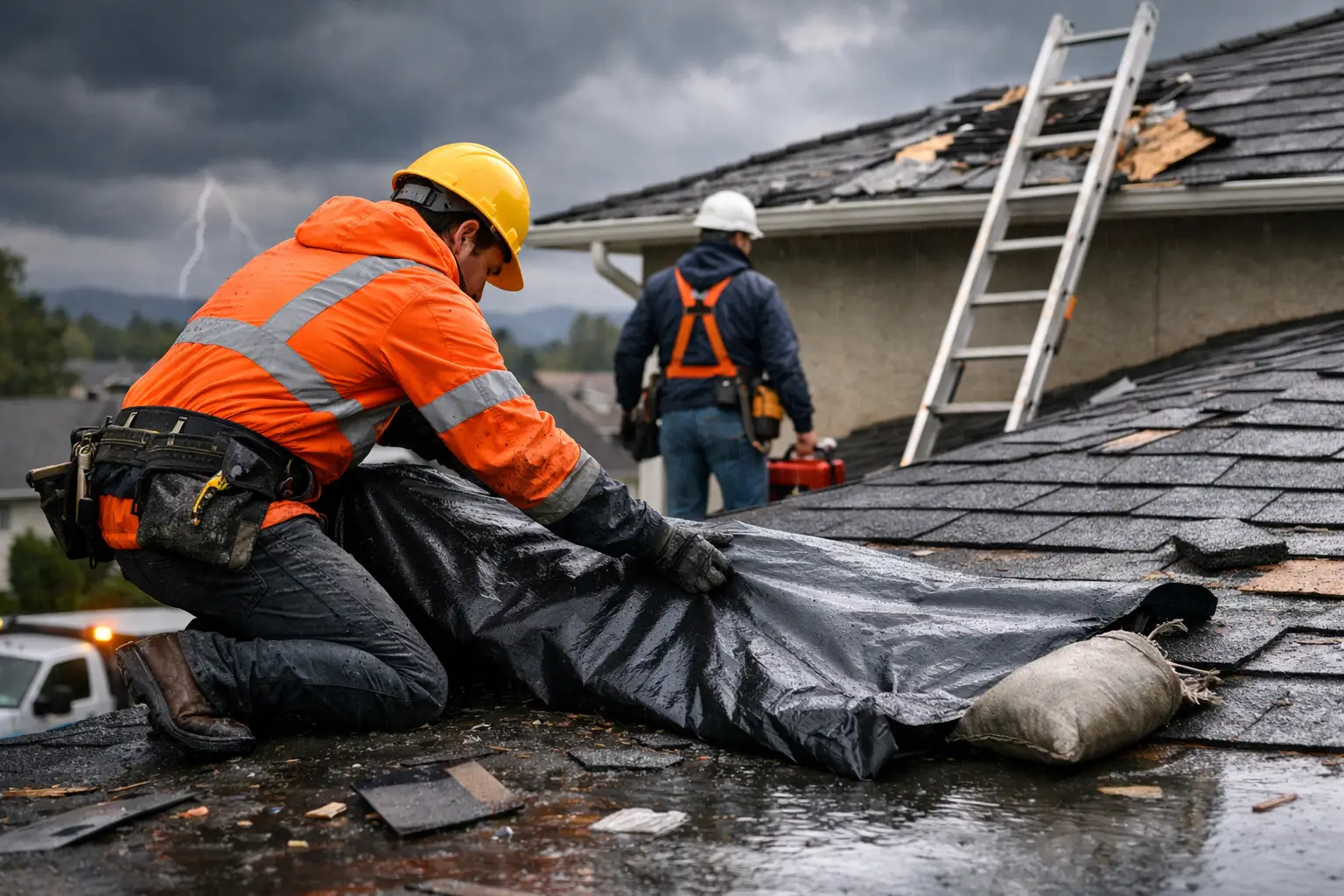
If a storm has damaged your property, act promptly. Photograph visible damage if it is safe to do so, prevent further interior damage when possible, and arrange for a professional inspection. An experienced roofing contractor can document roofing conditions and complete emergency protection, while your insurer determines coverage and claim payment. Do not assume that filing a claim means the full replacement cost will be covered.
Build the Budget Around Long-Term Protection
A new roof is more than a line-item expense. Material choice, installation quality, ventilation, and maintenance influence how well the system performs through Connecticut winters, heavy rain, wind, humid summers, and coastal conditions. The least expensive roof today is not always the least expensive roof over its useful life.
Asphalt shingles remain a practical choice for many homes, while metal may offer longevity and strong weather performance. Cedar and slate can suit premium or historic properties but require specialized knowledge and may carry higher upfront costs. Commercial systems require equally careful consideration of drainage, insulation, penetrations, and how the work will affect occupants and operations.
When evaluating a financing plan, consider the monthly payment alongside expected maintenance needs, warranty coverage, energy improvements, and the avoided cost of water damage. A roof that is correctly specified and professionally installed can help prevent damaged insulation, stained ceilings, mold concerns, compromised decking, and disruption inside the property.
Avoid Financing Decisions Made Under Pressure
A roofing emergency demands a fast response, but it should not force a rushed financial decision. Temporary protective measures can often limit additional damage while you review the inspection findings and financing terms. Emergency repairs, when appropriate, may also give owners time to plan a full replacement properly.
Before signing an agreement, make sure you can answer these questions:
- What work is included, and what conditions could create legitimate additional costs?
- What is the total financed amount, including interest and fees?
- Is the interest rate fixed or variable, and when can it change?
- What will the monthly payment be, and does it fit comfortably within the property budget?
- What product and workmanship protections apply after installation?
Be cautious of pressure to sign immediately, vague project descriptions, or unusually low prices without a clear explanation of materials and system components. A dependable contractor should explain the recommendation, answer direct questions, and provide documentation that allows you to make an informed decision.
Consider Timing, Repairs, and Replacement
Not every roofing issue requires immediate full replacement. A localized leak, damaged flashing, or a small number of missing shingles may be repairable when the surrounding roof is in sound condition. Repair financing may be much more manageable, especially if it extends the roof’s useful life while you save for replacement.
On the other hand, repeated repairs on an aging roof can become costly and unpredictable. If the roof has widespread wear, recurring leaks, failed ventilation, deteriorated decking, or storm damage across multiple sections, replacement may offer better value. A professional assessment helps distinguish between a repair that solves the underlying issue and one that only delays it.
For commercial properties, timing should include tenant needs, safety planning, access, noise, equipment protection, and business operations. Scheduling a replacement before a minor issue becomes a widespread leak can reduce disruption and may allow more flexibility in budgeting and financing.
A roof protects nearly every other investment inside your property. Take the time to obtain a clear assessment, compare financing terms carefully, and choose a roofing solution built for the conditions your Connecticut property faces. That preparation can turn a stressful expense into a confident, well-supported property decision.