

A roof emergency usually starts with a sound you did not want to hear – dripping in the attic, shingles hitting the yard, or water staining a ceiling during a storm. In those moments, an emergency roof repair checklist helps you move quickly, protect the building, and avoid making the damage worse.
For homeowners and property managers in Connecticut, speed matters, but so does judgment. A wind event along the coast, an ice dam after a freeze, or a sudden leak over a commercial space can all look similar at first. The right response depends on where the water is entering, what roofing system is involved, and whether the structure is safe to access at all.
Emergency roof repair checklist: what to do first
Start inside the building before you think about the roof itself. If water is actively entering, contain it with buckets, towels, or plastic sheeting and move furniture, electronics, inventory, or documents out of the affected area. If the ceiling is bulging with water, that can signal trapped moisture and added weight, so keep people clear of the area until it can be assessed safely.
Next, look for signs of electrical risk. Water near light fixtures, outlets, wiring, or electrical panels is a serious concern. If you can safely do so, shut off power to the affected area. If you cannot do that without standing in water or approaching damaged electrical components, leave it alone and call for emergency help.
Then document what you see. Take clear photos of ceiling stains, active drips, fallen debris, damaged insulation, blown-off shingles, or any visible exterior damage from the ground. This is useful for insurance purposes and also helps a roofing contractor understand the urgency before arriving.
The next step is deciding whether the property is safe to occupy. If you see sagging rooflines, major structural movement, widespread ceiling collapse, or damage after a tree impact, treat it as a structural emergency, not just a roofing problem. In that case, keep everyone out of the area and contact the appropriate emergency services and roofing professionals.
What not to do during a roof emergency
The most common mistake is climbing onto the roof during bad weather or immediately afterward. Wet shingles, hidden soft spots, storm debris, ice, and loose flashing create a real fall hazard. Even on low-slope commercial roofing, a leak area may be slick or structurally compromised.
It is also easy to underestimate how far water travels. The stain on your ceiling may not sit directly below the roof breach. Water can move along rafters, decking, insulation, HVAC penetrations, and wall cavities before it becomes visible indoors. That is why quick patching without a proper inspection can solve the symptom while missing the source.
Temporary materials can help, but only if used correctly. A tarp installed poorly can tear away in the next wind event or channel more water underneath it. Roofing cement and sealants also have limits. They may buy time on a small flashing issue, but they are not a substitute for diagnosing damaged decking, underlayment failure, or widespread storm loss.
How to assess damage from the ground
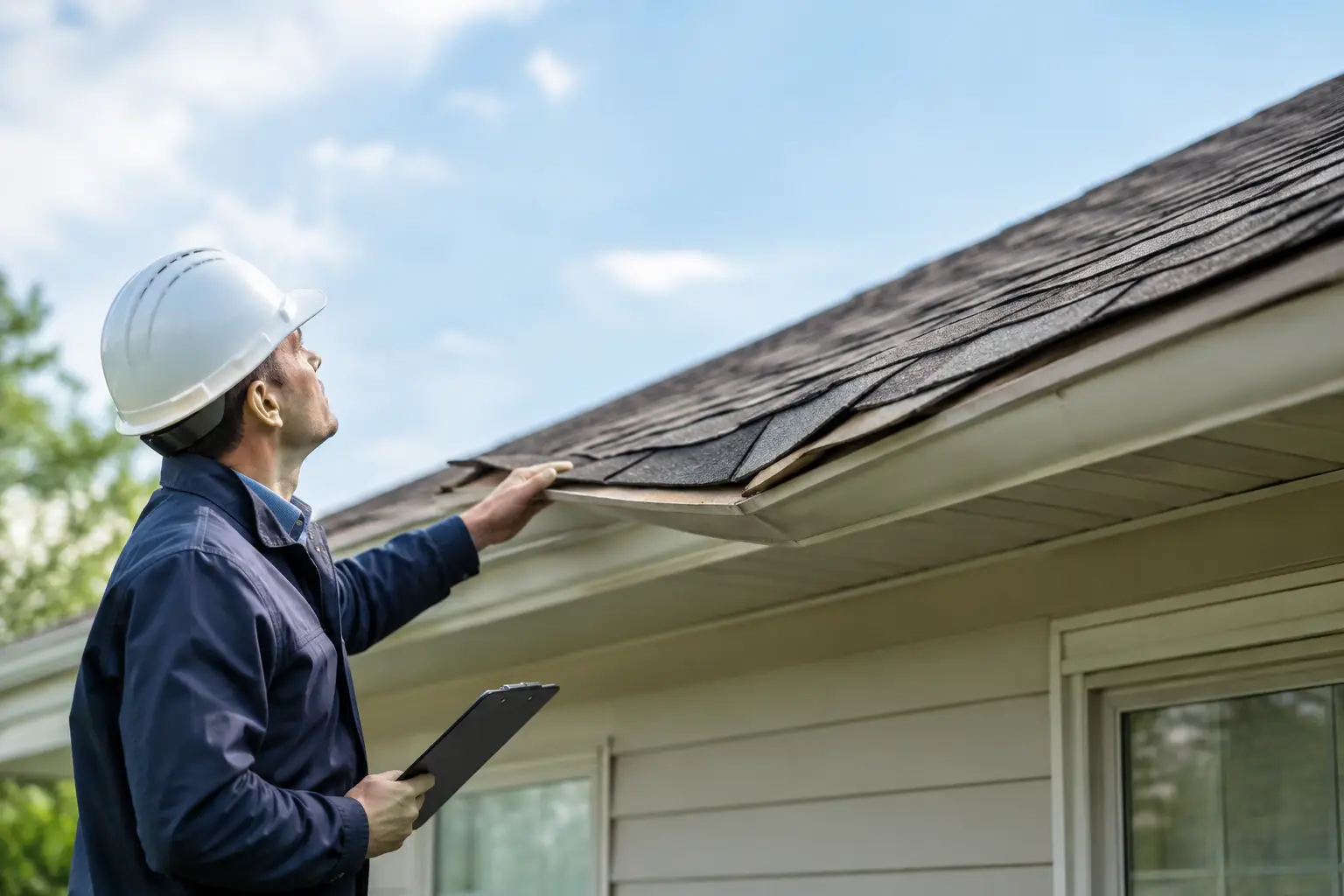
A ground-level inspection is the safest place to begin. Walk the perimeter and look for missing shingles, lifted tabs, exposed underlayment, bent or detached flashing, gutter sections pulling away, fallen branches, or debris impact. On slate, cedar, and metal roofs, the signs may be less obvious than on asphalt, so pay attention to displaced pieces, broken fasteners, dents, and unusual gaps near transitions.
Check soffits, fascia, and siding too. Water intrusion does not always enter through the field of the roof. It may begin at valleys, chimneys, skylights, wall intersections, roof vents, or edges where wind-driven rain gets forced into vulnerable joints.
If the building has an attic, inspect it with a flashlight. Look for wet insulation, darkened decking, active drips, mold-like staining, or daylight showing through boards or around penetrations. Be careful where you step. Walking between joists can lead to injury and ceiling damage below.
Temporary protection measures that make sense
If weather conditions are calm and the damage is limited, temporary protection may reduce further loss until a roofing crew arrives. Interior containment is the priority because it protects finishes, belongings, and equipment right away. Plastic sheeting under a leak path, fans in non-electrical safe areas, and relocation of valuables can make a meaningful difference.
Exterior tarping may be appropriate when performed by trained professionals with the right safety equipment. This is especially true after tree damage, major shingle blow-off, or punctures from storm debris. On steep-slope roofs, historic homes, coastal properties, and commercial buildings with specialized membranes, the method of temporary repair matters. The wrong fastener placement or tarp layout can create additional points of entry.
This is where local experience matters. Connecticut roof emergencies are not always just about rain. Ice dams, freeze-thaw cycles, coastal wind exposure, and aging ventilation systems all affect how a roof fails and how a temporary repair should be handled.
When to call for emergency roofing service
Call immediately if water is actively entering the building, if part of the roof has lifted or blown off, if a tree or limb has struck the structure, or if interior ceilings are sagging. The same applies when a commercial property has leaks affecting operations, tenants, inventory, or electrical systems.
You should also call if you are unsure whether the problem is minor. Roof leaks often look small until the roof assembly is opened and the hidden damage is exposed. Saturated insulation, compromised decking, and moisture trapped around flashing details can turn a same-day issue into a larger repair if it is left alone.
A qualified emergency roofing contractor should be able to stabilize the area, identify the likely source, recommend temporary or permanent repair options, and explain whether insurance documentation may be needed. For many property owners, that clear direction is just as valuable as the repair itself.
Material-specific issues to keep in mind
Asphalt shingle roofs often fail at ridge caps, valleys, pipe boots, flashing transitions, and areas where wind has broken the adhesive bond. Missing shingles are visible, but creased or loosened shingles can be harder to spot from the ground.
Slate and cedar roofs require more caution. Walking them improperly can crack tiles or split shakes, and matching replacement materials often calls for a more specialized repair approach. On historic homes, preserving appearance while fixing the leak adds another layer of judgment.
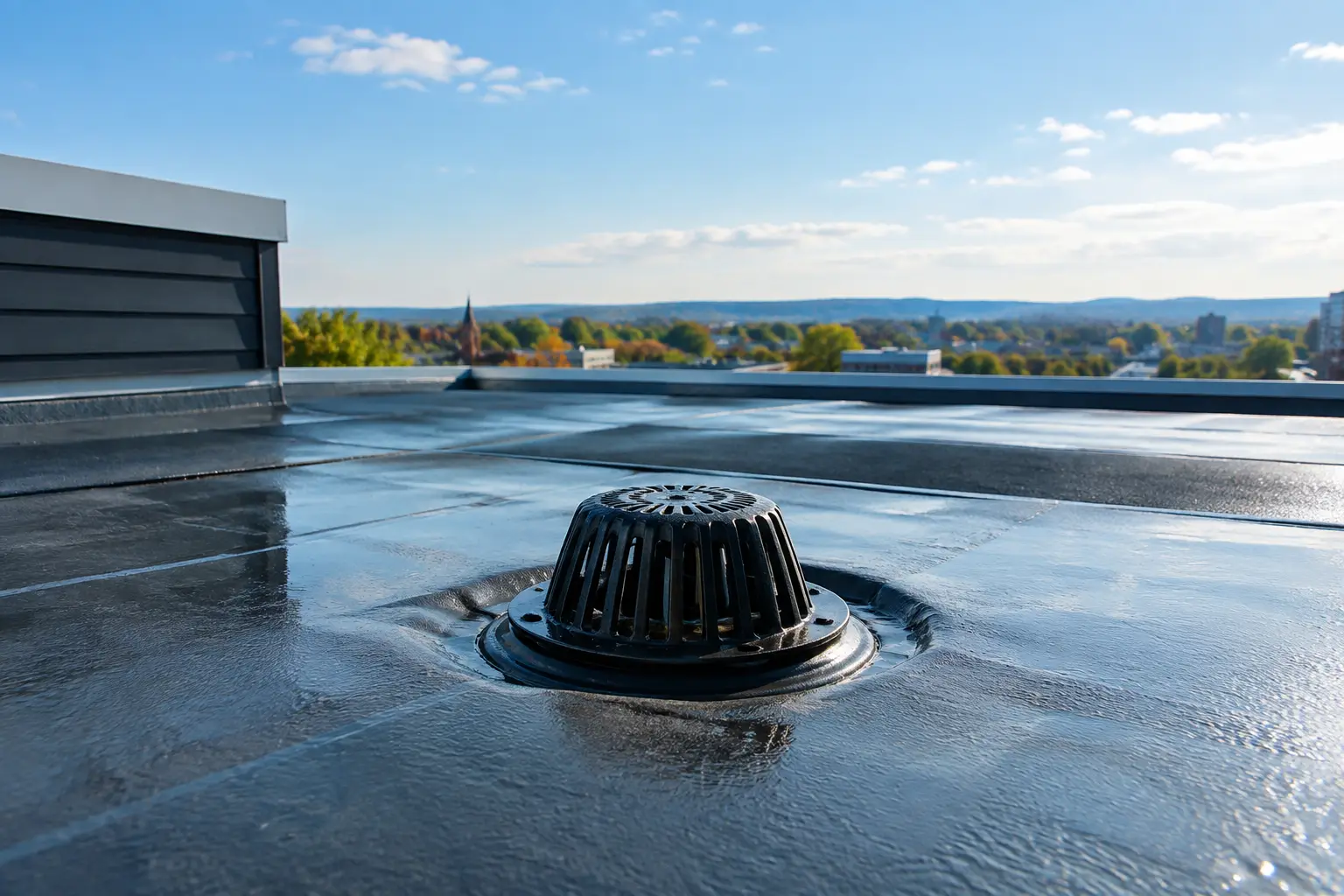
Metal roofs may leak at seams, penetrations, fasteners, and flashing details rather than through the panel field itself. Commercial low-slope systems, including rubber roofing, often develop emergency leaks around drains, edge details, rooftop equipment, or punctures from service traffic. The repair method depends heavily on the membrane type and the condition of the substrate below it.
What to have ready when you make the call
When you contact a roofing contractor, be prepared to describe when the leak started, whether it is active, which rooms are affected, and what type of roof the property has if you know it. Mention any recent storms, ice buildup, fallen branches, or prior repair history. Photos from inside and outside can help speed up triage.
It also helps to say whether the building is residential or commercial, whether access is restricted, and whether there are immediate concerns around electricity, operations, or tenant safety. The more specific the information, the better the response plan.
For property owners in Norwalk and across Fairfield County, working with an experienced local contractor matters because response is not just about getting there fast. It is about understanding regional weather patterns, common failure points, and the best repair path for the roof system already in place. That is the kind of emergency service Rick’s Main Roofing is built to provide.
After the emergency is stabilized
Once the immediate leak is contained, the next question is whether the roof needs a repair, a section replacement, or a broader corrective plan. Sometimes the problem is isolated and straightforward. Other times, the emergency exposed a larger issue such as aging materials, poor ventilation, repeated patching, or storm damage across multiple sections.
A thorough follow-up inspection should look beyond the visible leak. It should evaluate decking condition, flashing integrity, drainage performance, attic ventilation, insulation moisture, and the remaining service life of the roof. That is how you avoid repeating the same emergency a few months later.
A dependable checklist does more than organize a stressful moment. It helps you protect people, limit damage, and make smart decisions under pressure. When the weather turns and your roof does not hold, calm action and the right professional support can protect far more than the shingles overhead.