

A commercial roof leak rarely stays a small problem for long. For property owners and facility managers, commercial roof repair costs are not just about patching a membrane or replacing flashing – they affect tenant comfort, daily operations, inventory protection, and long-term capital planning.
If you are budgeting for a repair, the real question is not just, “How much will it cost?” It is, “What exactly is failing, how urgent is it, and will this repair solve the problem or delay a larger expense?” That is where experienced evaluation matters.
What affects commercial roof repair costs?
Commercial roof repair costs can vary widely because no two buildings have the same roof system, drainage layout, exposure, or damage pattern. A small puncture in a single-ply membrane is a different job than recurring leaks around rooftop equipment, saturated insulation, or storm damage along parapet walls.
Roof type is one of the biggest pricing factors. Flat and low-slope commercial roofs often use systems such as TPO, EPDM, PVC, modified bitumen, or built-up roofing. Each material has its own repair methods, labor requirements, and compatibility rules. Metal commercial roofs bring a different set of concerns, including panel movement, fastener failure, seam separation, and corrosion.
The extent of damage also changes the number quickly. A visible leak may look minor from inside the building, but once a contractor opens the area, they may find wet insulation, deteriorated substrate, or multiple entry points. Water tends to travel, especially on larger roofs, so the origin of the leak is not always directly above the stain.
Accessibility matters too. A repair on a simple one-story structure with clear access is generally more straightforward than work on a multi-level building with limited staging space, heavy rooftop equipment, or tenant-sensitive operating hours. Emergency response, after-hours work, and temporary water-control measures can all add cost.
Typical commercial roof repair cost ranges
For minor commercial roof repairs, property owners may spend a few hundred to a few thousand dollars, depending on the material and the area involved. These are often localized fixes such as sealing a small leak, replacing a section of flashing, addressing a puncture, or tightening and resealing details around penetrations.
Moderate repairs usually cost more because they involve a broader section of roofing, partial tear-out, wet insulation replacement, drainage correction, or recurring leak investigation. Once a crew has to remove materials, inspect the deck, and rebuild part of the assembly, the repair becomes more labor-intensive and more material-dependent.
Larger commercial roof repairs can reach well beyond that range, especially when the damage affects multiple roof sections or when the roof system is already nearing the end of its service life. At that point, repair pricing has to be weighed against the value of restoration or replacement. Spending heavily on a failing roof is not always the best use of funds.
That is why estimates should be based on an on-site inspection, not rough square-foot math alone. Square footage can help with broad planning, but it does not tell the full story of seams, edge details, penetrations, ponding water, or hidden moisture.
Repair costs by commercial roof type
Single-ply membrane roofs
TPO, PVC, and EPDM roofs are common on commercial buildings because they are efficient and practical, but repair costs depend on the exact issue. A clean puncture or open seam may be relatively contained if caught early. Problems become more expensive when membrane shrinkage, widespread seam failure, or moisture under the system is involved.
With single-ply systems, proper material matching matters. Not every patch approach is appropriate for every membrane, and shortcuts can create repeat leaks. A lower initial invoice is not a savings if the repair fails in the next storm.
Modified bitumen and built-up roofs
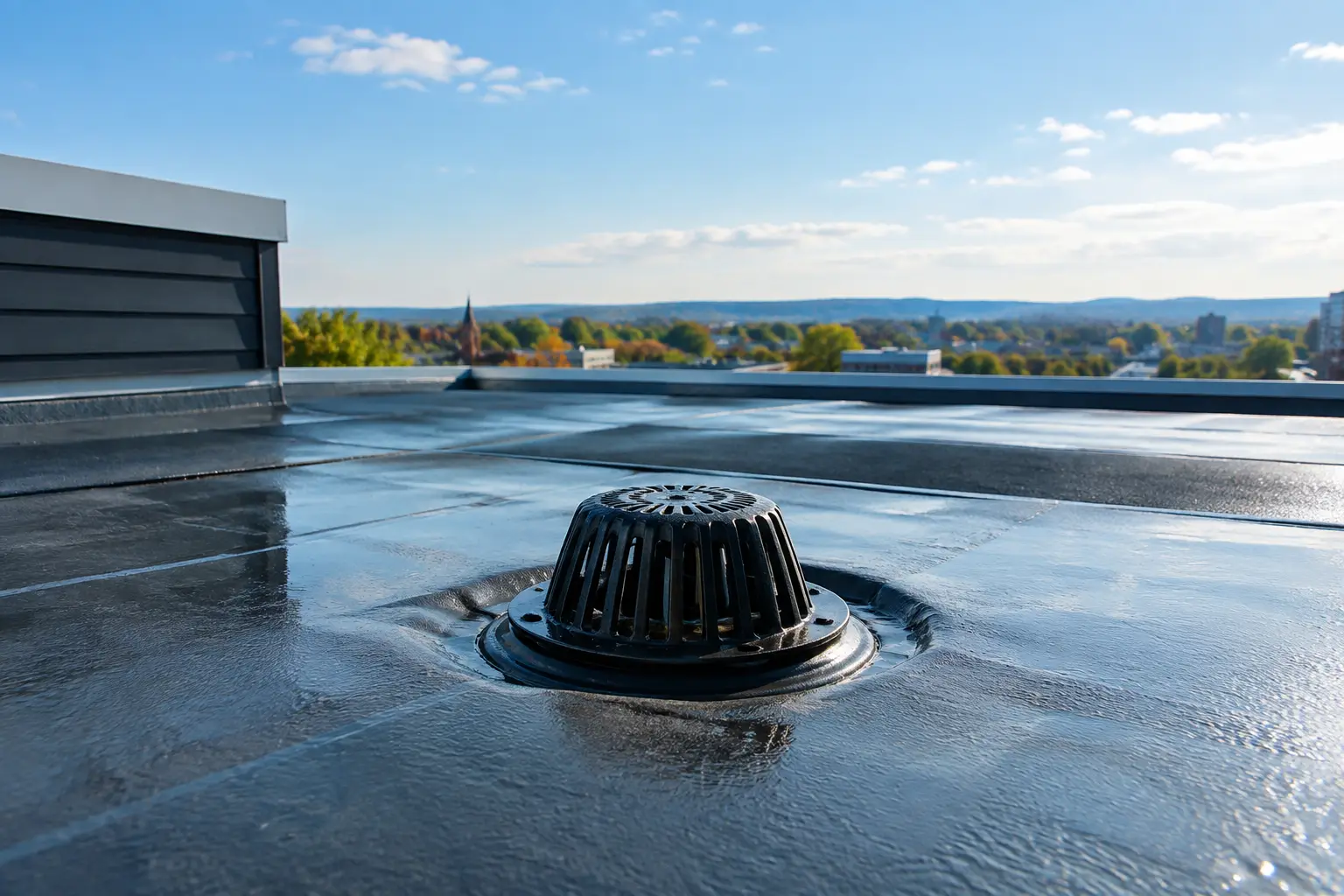
These systems can often be repaired effectively, but the cost depends on surface condition, layering, and how much deterioration has occurred. Blisters, splitting, flashing separation, and water intrusion around drains are common issues. Some repairs are straightforward, while others require removing compromised sections and rebuilding them in a way that ties into the existing roof correctly.
Older multi-layer systems may also hide moisture longer, which can increase repair scope once work begins.
Metal commercial roofs
Metal roof repair pricing often depends on whether the problem is at fasteners, seams, flashing transitions, panel damage, or corrosion points. A small fastener and sealant repair is very different from correcting movement-related separation or replacing damaged panels.
On coastal Connecticut properties, salt exposure and weather cycles can accelerate wear on some metal components. That makes periodic inspections especially valuable before a minor issue turns into an interior leak event.
Why leak repairs are not always simple
Many property owners call for a leak in one room and expect one repair in one spot. Commercial roofs do not always work that way. Water can enter at a curb, seam, drain, edge metal detail, or wall transition and travel across the assembly before it becomes visible indoors.
That is part of what affects commercial roof repair costs. Proper leak diagnosis takes time, and that time is worth it. If a contractor patches the symptom instead of the source, the problem returns and the building owner pays twice.
This is especially true after storms, freeze-thaw cycles, or ice-related backup. In Connecticut, harsh weather can expose weak points that were already developing. The leak may seem sudden, but the underlying failure often has a longer history.
When repair is cost-effective and when it is not
A well-timed repair is often the smartest move when the roof is in generally good condition and the issue is isolated. If the membrane is sound, seams are holding, insulation is dry in most areas, and the problem is tied to one flashing zone or damaged section, repair can extend service life at a reasonable cost.
The calculation changes when repairs become repetitive. If your building has had multiple leak calls, recurring ponding water, widespread membrane fatigue, or repairs scattered across the roof, continued patching may only postpone a larger project. In that case, a contractor should be honest about whether repair still makes financial sense.
For some properties, a targeted repair is the right immediate decision while ownership plans for a future replacement. For others, restoration or replacement may offer better long-term value than another round of emergency fixes. It depends on roof age, system condition, occupancy needs, and budget timing.
How to control commercial roof repair costs
The most effective way to control cost is to act early. Small leaks become larger repairs when water reaches insulation, decking, ceilings, equipment, or interior finishes. Delayed response also increases the chance of business disruption.
Routine inspections are another practical cost-control measure. Commercial roofs should be checked after major storms and on a regular maintenance schedule. Many expensive repairs start as overlooked seam issues, blocked drains, loose flashing, or early surface damage.
Documentation helps as well. If you manage multiple properties, keeping records of repair history, leak locations, and roof age makes budgeting easier and improves decision-making. It can also help determine whether you are dealing with isolated events or a roof that is gradually failing.
Working with a contractor who understands commercial systems is just as important as the repair itself. Commercial roofing is detail-driven work. The right diagnosis, proper materials, safe access planning, and minimal disruption to occupants all matter. In a market like Fairfield County, local experience with coastal exposure, storm patterns, and winter weather adds real value.
What to expect from a commercial roof repair estimate
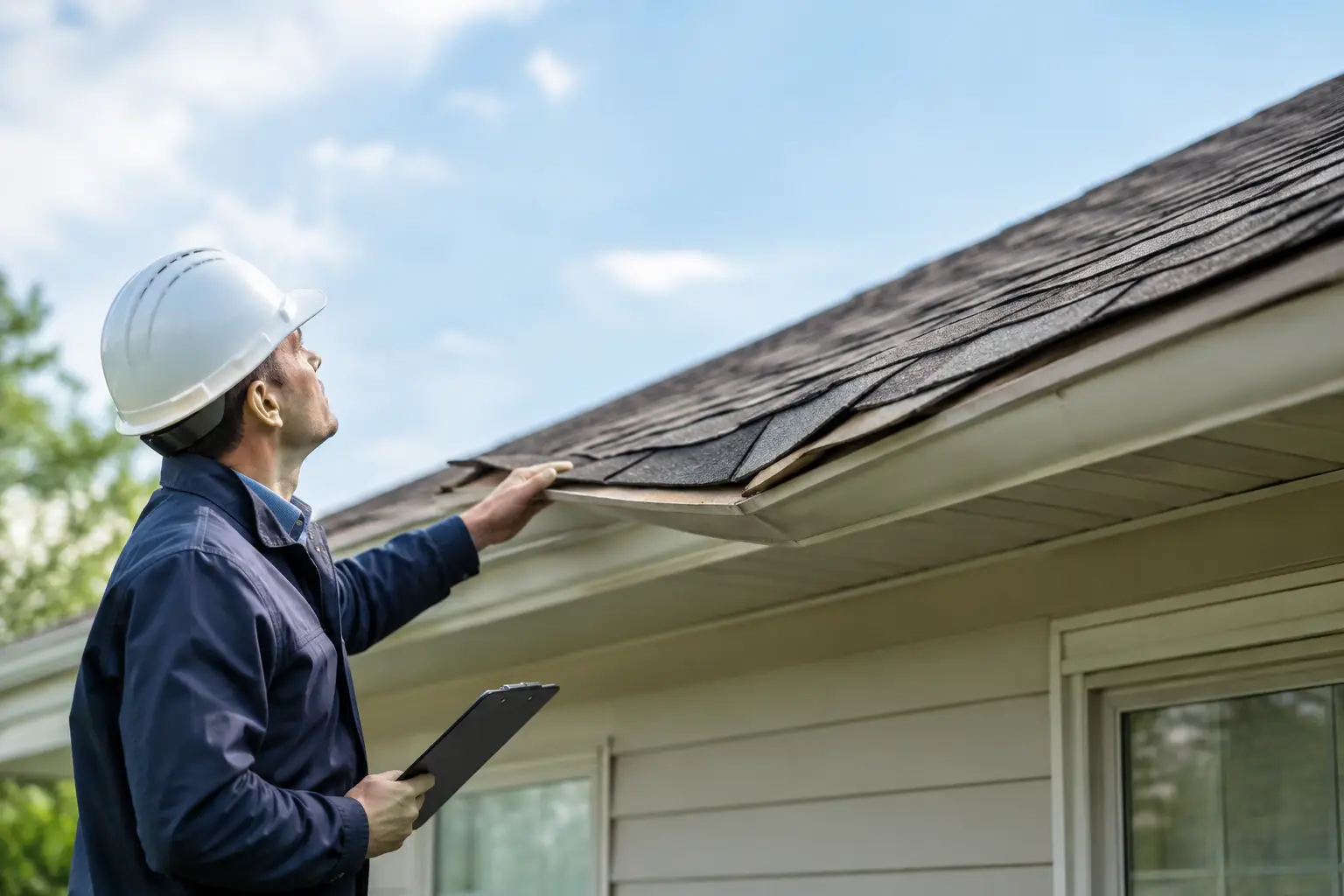
A reliable estimate should do more than list a price. It should identify the roof type, describe the observed issue, explain the proposed repair, and note any conditions that could affect final scope once materials are opened. If there is a strong chance of hidden moisture or substrate damage, that should be addressed upfront.
You should also expect a practical recommendation. Sometimes that recommendation is a simple repair. Sometimes it is a repair with monitoring. Sometimes it is a direct conversation about whether further spending on the existing roof is justified.
At Rick’s Main Roofing, that kind of straight assessment is central to good service. Commercial property owners do not need guesswork. They need a repair plan that protects the building, respects the budget, and reflects the actual condition of the roof.
The right next step is usually simple: get the roof inspected before the damage spreads. A timely repair is almost always easier to manage than an emergency inside an occupied building.