

A roof rarely fails at a convenient time. One hard winter, a persistent leak, or years of wear can turn a repair discussion into a full replacement decision fast. When that happens, financing options for roof replacement become just as important as shingles, flashing, and ventilation, because the right payment strategy can help you move forward before damage gets worse.
In Connecticut, waiting too long can be costly. Ice dams, wind-driven rain, coastal exposure, and freeze-thaw cycles can turn an aging roof into interior water damage, insulation problems, mold risk, and structural repairs. For homeowners and property managers, the goal is not simply finding money. It is choosing a financing path that fits the condition of the roof, the urgency of the project, and the long-term value of the property.
Understanding financing options for roof replacement
There is no single best way to pay for a new roof. The right choice depends on whether the replacement is planned or urgent, how much equity you have, your credit profile, and whether the property is residential or commercial. A lower monthly payment may look attractive, but the total cost over time can be higher. On the other hand, paying too much upfront can strain cash reserves that should stay available for other home or building needs.
For many property owners, roof financing falls into a few practical categories: contractor financing, personal loans, home equity products, insurance proceeds, credit cards for smaller balances, and business financing for commercial properties. Each option has trade-offs, and those details matter.
Contractor financing
Contractor financing is often the most direct option because it is built around the roofing project itself. Instead of finding a lender first and then scheduling the work, you apply through financing programs offered by the contractor. For many customers, this keeps the process simpler and faster.
The main advantage is speed. If the roof is leaking or has storm damage, a straightforward application and quick approval process can help prevent delays. Monthly payments may also be easier to manage than a large one-time expense. Some plans offer promotional terms, although those terms need close review. A low payment in the short term can still lead to a higher total cost if interest increases later or if deferred interest applies.
This is where working with an established roofing company matters. You want clear pricing, realistic timelines, and financing terms that are explained plainly, not rushed through at the kitchen table.
Personal loans
A personal loan can work well if you want flexibility and do not want to use your home as collateral. Funds are typically received as a lump sum, and repayment is made over a fixed period. That predictability can be useful when budgeting for a roof replacement.
The trade-off is cost. Interest rates on personal loans are often higher than home equity products, especially for borrowers with average credit. Loan limits may also be lower, which can matter if the project involves premium materials like slate or metal, or if there are underlying deck repairs and ventilation upgrades included in the scope.
Still, for urgent replacements where speed matters and equity is limited, personal loans are often a practical middle-ground option.
Home equity loans and HELOCs
If you have built equity in your home, a home equity loan or home equity line of credit can offer a lower-cost way to fund a roof replacement. Because the loan is secured by the property, rates are often more favorable than unsecured borrowing.
A home equity loan is usually best when you know the full project cost and want fixed payments. A HELOC can be useful if the final price may vary, such as when replacement work could uncover hidden water damage or decking issues after tear-off. The flexibility is appealing, but variable rates can create uncertainty.
This option tends to work best for planned projects rather than emergencies. Approval and closing may take longer than contractor financing or a personal loan, so it may not be ideal when active leaks are causing interior damage.
When insurance changes the equation
Insurance is not technically financing, but it can reduce the amount you need to borrow. If the roof replacement is tied to covered storm damage, wind damage, or another insured event, your policy may offset a meaningful share of the cost.
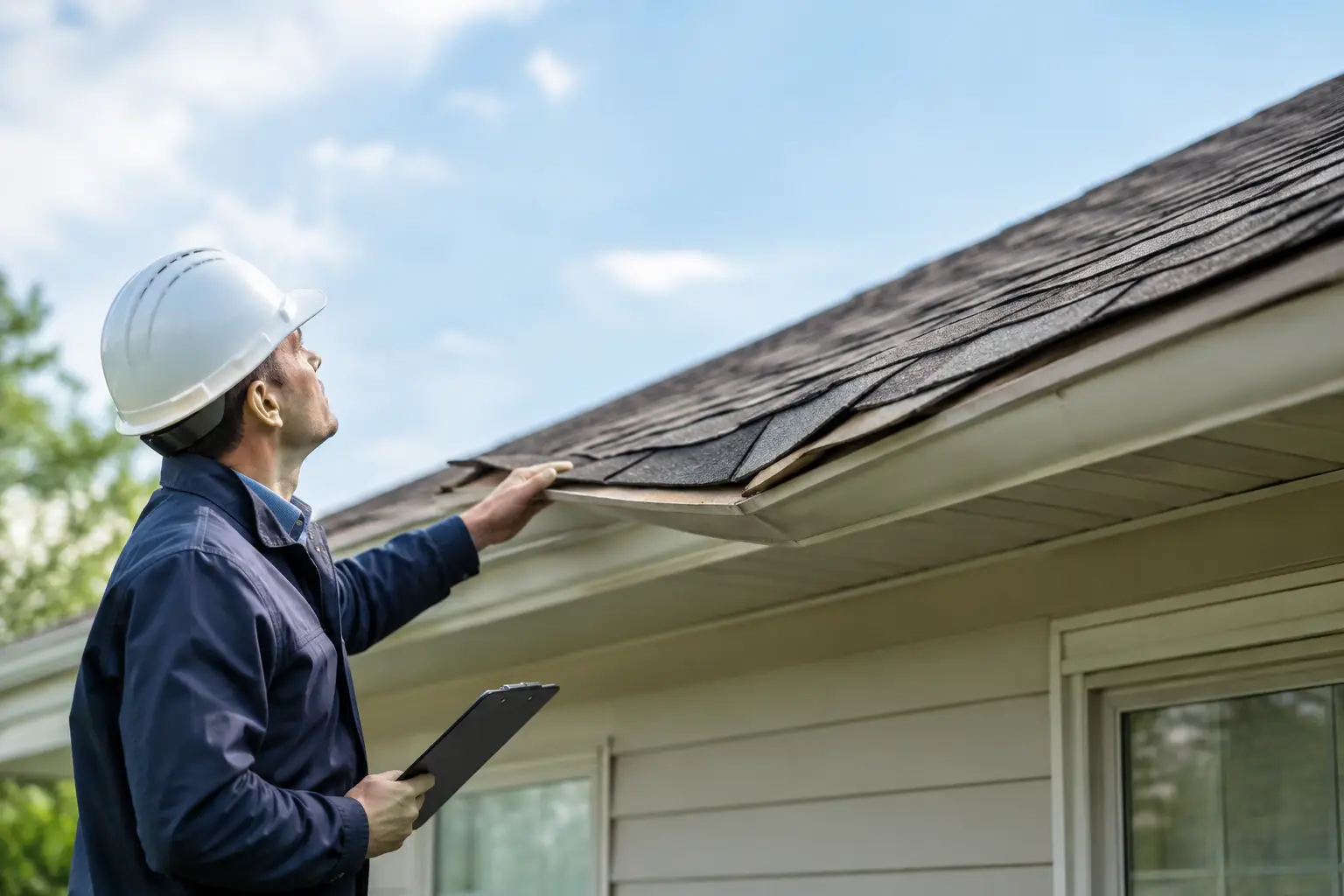
That said, insurance does not cover every old roof. Normal wear, neglect, or age-related deterioration is usually not covered. The key is documentation. A professional roof inspection can help identify whether the issue appears to be storm-related, whether repairs are sufficient, or whether a full replacement is justified.
Property owners should also plan for deductibles and possible out-of-pocket upgrades. For example, if you choose a higher-end material than what the policy covers, the difference may still need to be financed. The same applies if code-related improvements, ventilation corrections, or rotten decking are not fully covered.
Credit cards and short-term borrowing
Credit cards are usually not the first choice for a full roof replacement, but they can make sense in limited situations. If the remaining balance is relatively small, or if you have a short-term promotional rate and a clear payoff plan, using a card for part of the project can bridge a gap.
The risk is obvious. Standard credit card rates can make a roofing project much more expensive if the balance lingers. For a major replacement, this option should be used carefully and typically only for a manageable portion of the cost.
Commercial financing considerations
For commercial buildings, the decision is often less about household budgeting and more about cash flow, capital planning, and operational continuity. A failing commercial roof can affect tenants, inventory, equipment, and business operations. Delaying replacement to preserve cash can create larger losses later.
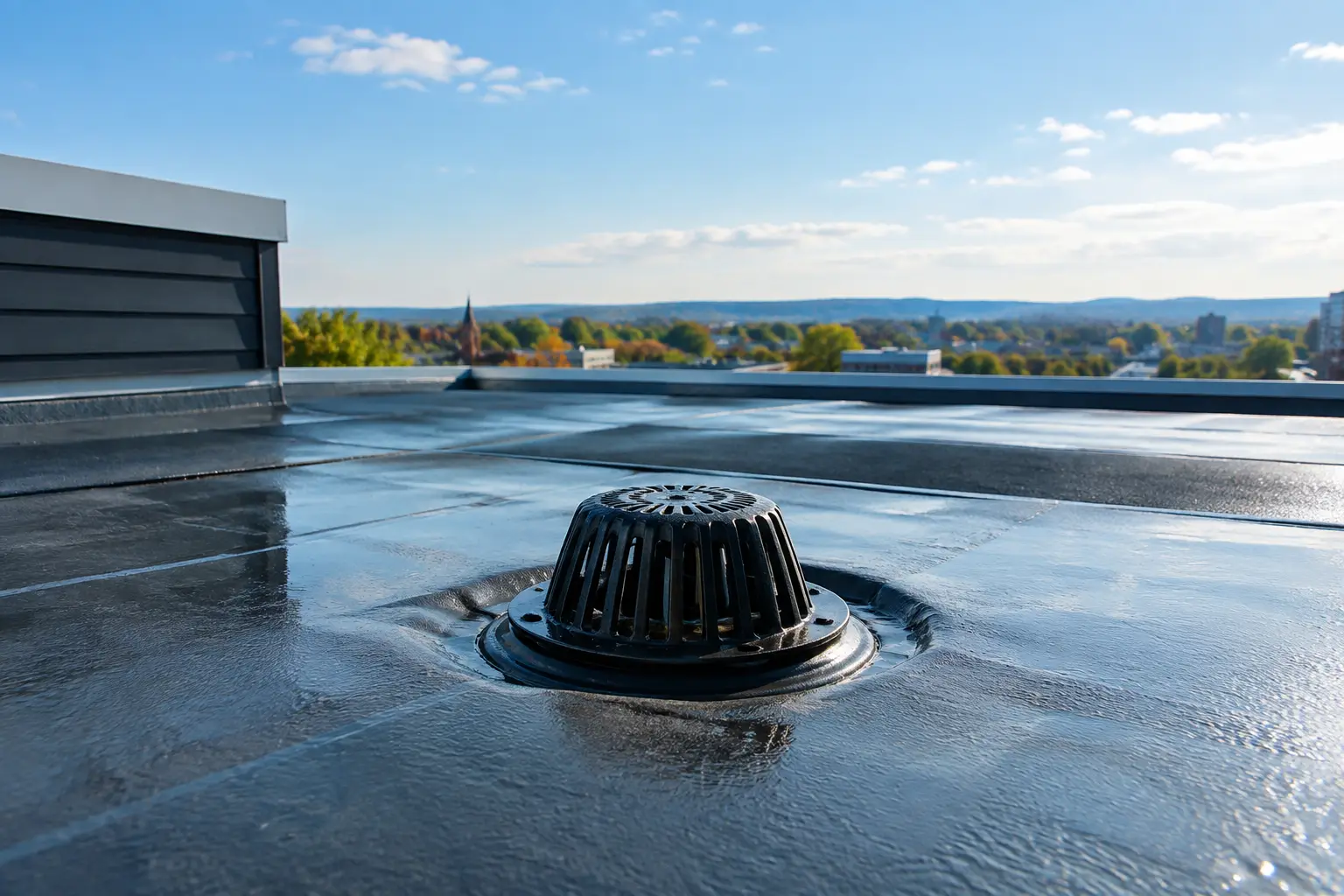
Commercial financing may involve business loans, lines of credit, equipment-style financing structures, or property improvement funding. The best option depends on ownership structure, reserve levels, and whether the roof is part of a broader building improvement plan. A retail building, multifamily property, warehouse, and office facility may all approach the same roofing need differently.
In these situations, timing matters as much as rates. If financing helps complete the work before another winter or storm season, the value can go beyond the monthly payment calculation.
How to choose the right financing path
The best financing options for roof replacement usually come down to four questions. First, how urgent is the work? An active leak or storm-damaged roof narrows your choices because speed becomes critical. Second, what is the full project scope? A low estimate that excludes flashing, ventilation corrections, or damaged decking can distort financing needs. Third, what monthly payment is truly comfortable? Stretching too far can create stress long after the roof is installed. Fourth, what is the total borrowing cost over time?
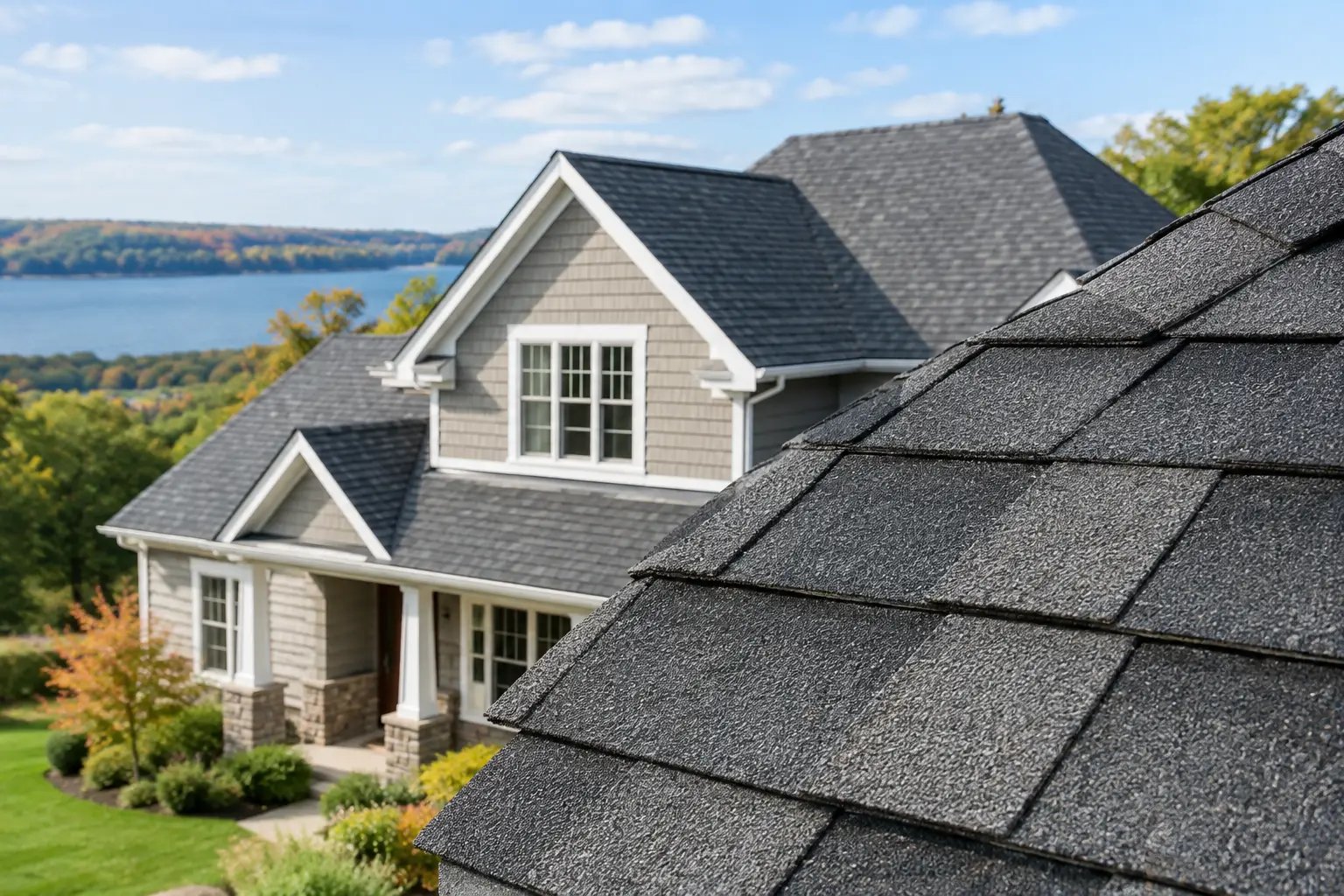
It also helps to think about the roof as a long-term asset rather than a simple expense. A properly installed replacement protects the structure, supports energy performance, preserves curb appeal, and can reduce the likelihood of repeated repair costs. On higher-value, historic, or coastal properties, choosing the right system and installer is often just as important as choosing the right lender.
Look beyond the monthly payment
One of the most common mistakes is focusing only on the lowest monthly number. A longer term may feel easier in the short run, but it can increase the total amount paid significantly. Fees, variable rates, prepayment terms, and promotional periods all deserve attention.
A dependable contractor should be willing to walk through the project scope and explain what is included before financing is finalized. That clarity helps prevent surprises after work begins.
Match financing to the life of the roof
If you are investing in a roof system designed to last for decades, a structured payment plan can make sense. If the project is a short-term hold on a property you plan to sell soon, the financing decision may look different. The point is to match the funding strategy to your ownership timeline and the expected life of the roofing system.
For property owners in Fairfield County, local roofing conditions add another layer to the decision. A roof that is already struggling with ice dams, poor ventilation, or storm exposure may not have the luxury of waiting for the perfect financial setup. In those cases, practical financing can be what allows you to protect the property before a manageable problem becomes a major one.
At Rick’s Main Roofing, that is often where the conversation starts – not with sales pressure, but with a realistic look at the roof condition, the scope of work, and the payment path that helps the owner move forward responsibly. A new roof is a significant investment, but delaying the right project for the wrong reason can cost more than financing it well.