A roof leak rarely starts at a convenient time. In Norwalk, it often shows up during a wind-driven coastal storm, after heavy snow begins to melt, or late at night when water is already finding its way into insulation, ceilings, and wall cavities. When that happens, emergency roof repair Norwalk CT is not just about stopping a drip. It is about protecting the structure, contents, and long-term value of your property before a manageable issue becomes a much larger repair.
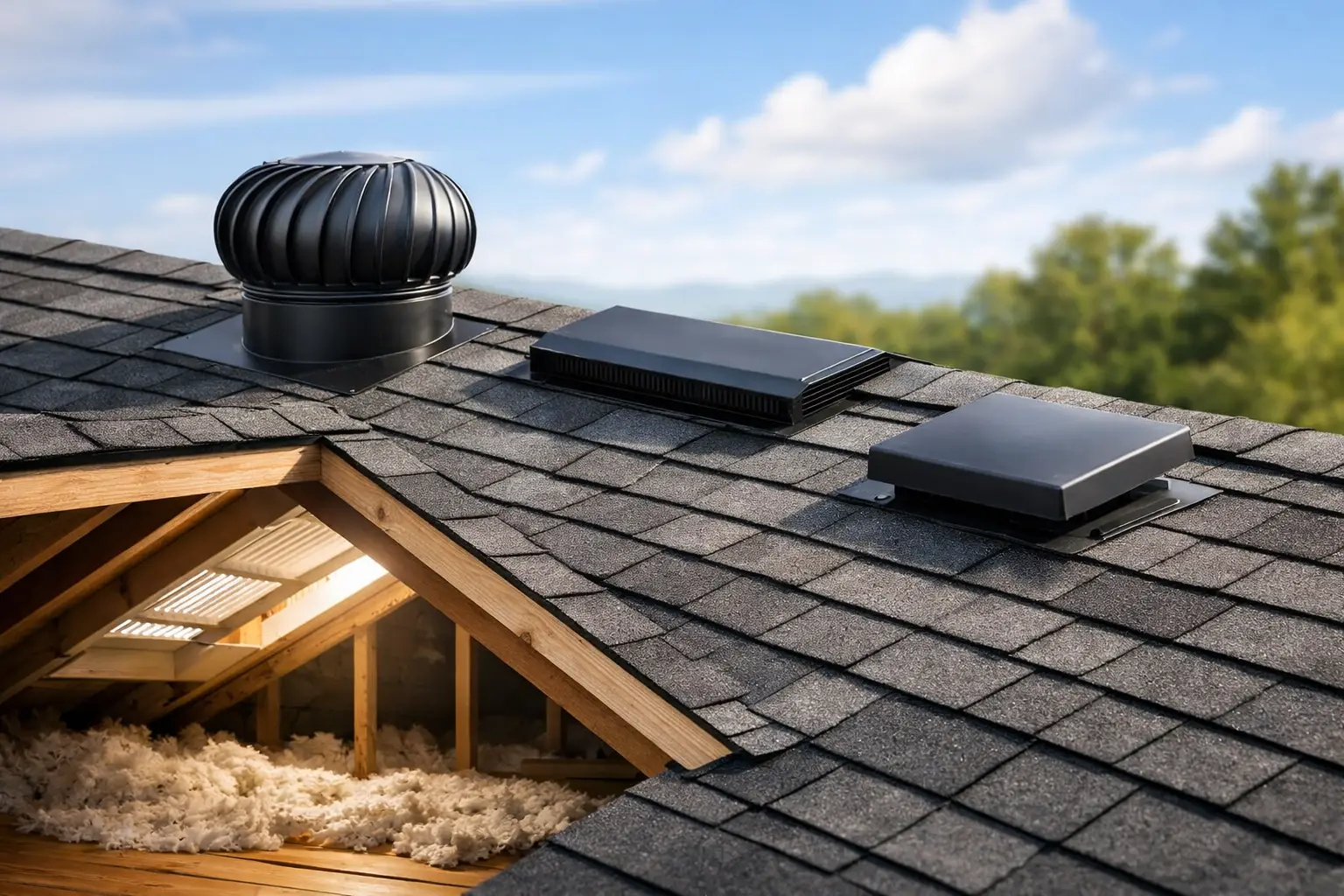
Property owners usually call for emergency service when the damage is obvious, but the real risk is often what cannot be seen right away. Water can travel along roof decking, rafters, insulation, and interior framing before it shows itself indoors. A missing section of shingles, a punctured membrane, lifted flashing, or storm-damaged ridge vent can quickly lead to hidden moisture problems that continue long after the weather clears.
When emergency roof repair in Norwalk CT is necessary
Not every roofing issue is an emergency, but some situations should be addressed immediately. Active leaks during rain, visible storm damage, tree impact, blown-off shingles, detached flashing, sagging roof areas, and sudden water intrusion around skylights, chimneys, or vents all call for urgent attention. Commercial properties may also face emergency conditions when flat roof membranes split, drains back up, or rooftop equipment penetrations fail.
The difference between urgent and routine often comes down to exposure. If the roof system is open to water, wind, or additional structural stress, waiting usually raises the cost. A small breach can saturate insulation, damage drywall, stain finishes, and create electrical concerns. On commercial buildings, delays can also affect inventory, tenant spaces, equipment, and day-to-day operations.
Why Norwalk roofs face emergency conditions
Norwalk properties deal with a mix of roofing challenges that make fast response especially important. Coastal weather can push rain sideways under vulnerable roof components. Winter conditions bring ice dams, freeze-thaw cycles, and heavy snow loads. Older homes may have aging flashing, worn underlayment, or historic roof details that require more careful repair work. Newer buildings are not immune either, especially if ventilation, drainage, or installation details were not handled correctly.
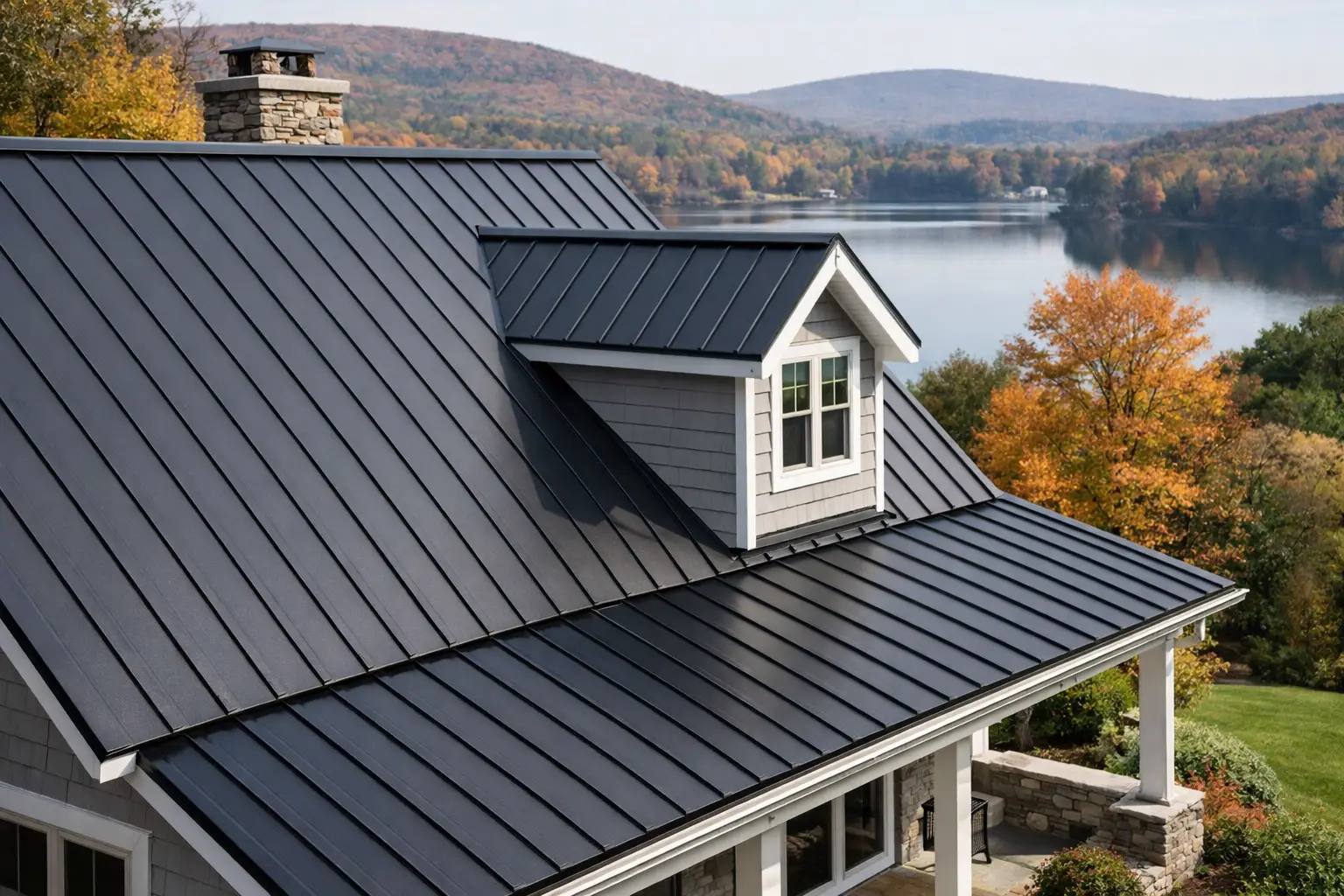
Roofing materials matter too. Asphalt shingles can tear or lift in strong wind. Slate and cedar require material-specific repair methods, particularly on older or higher-end homes. Rubber and other low-slope systems on commercial buildings can fail at seams, edges, or penetrations. Metal roofs often perform well in severe weather, but when problems do occur, they usually need a contractor who understands fastening systems, movement, and flashing details.
What a true emergency response should include
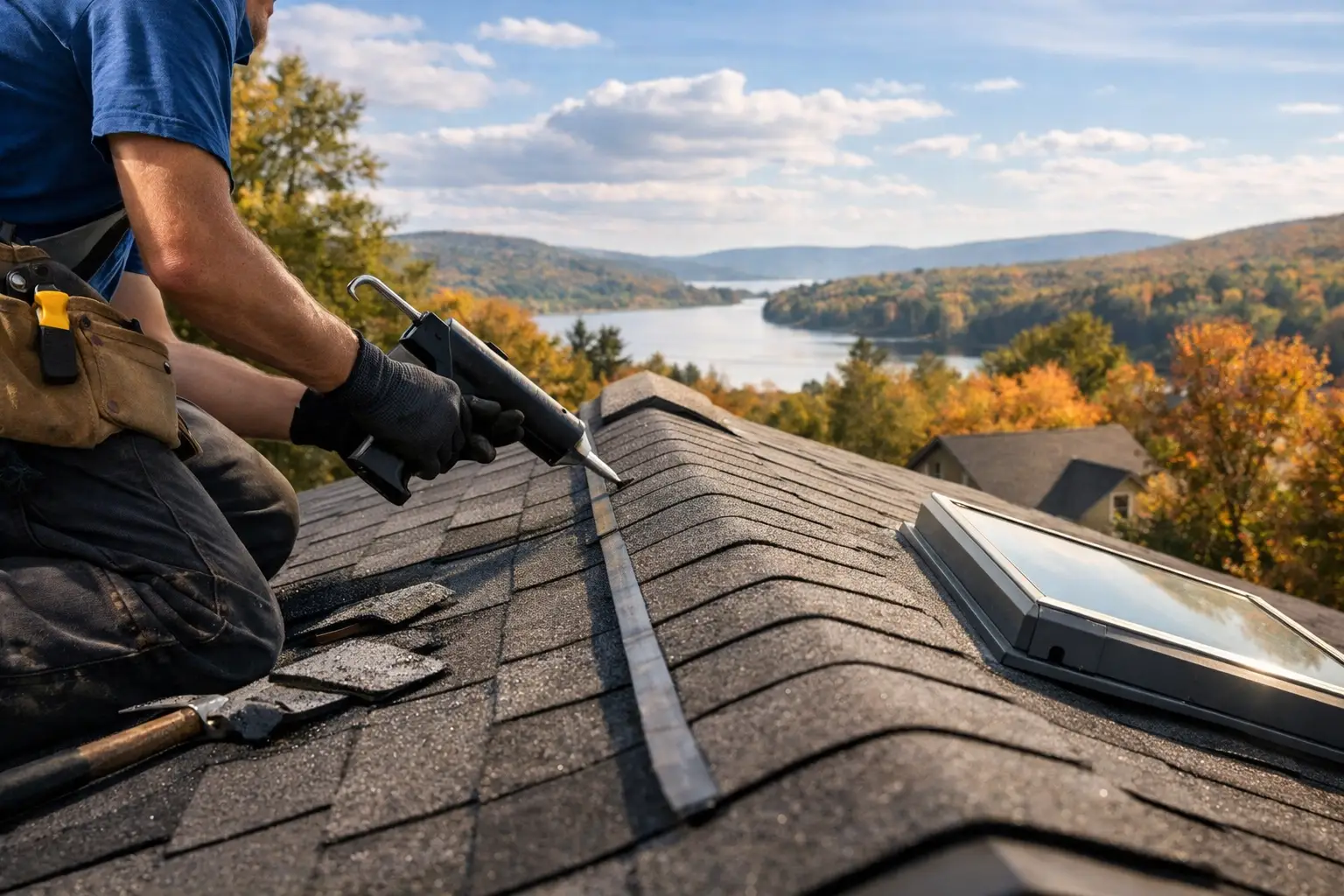
A proper emergency roofing response is not the same as a rushed patch with no follow-through. The first priority is stabilization. That may include temporary tarping, securing exposed areas, sealing active entry points, and assessing whether the decking or surrounding components have been compromised. The goal is to limit immediate water intrusion and prevent the damage from spreading.
After that, the repair strategy needs to be based on the actual roof system and the condition of the surrounding materials. Sometimes the damage is isolated and a focused repair is the right answer. In other cases, the emergency reveals a broader failure pattern, such as widespread shingle deterioration, rotted decking, failing flashing at multiple points, or moisture trapped in a commercial roofing assembly. A dependable contractor should be clear about that distinction instead of forcing every situation into the same recommendation.
The difference between a temporary fix and a lasting repair
Temporary protection is often necessary during active weather, but it should not be mistaken for the full solution. Tarping has value. Emergency sealants have value. Fast stabilization protects the structure and buys time. But long-term performance depends on correcting the source of failure, replacing compromised materials, and restoring the roof system as a whole.
This is where experience matters. A leak around a chimney may not be a chimney problem alone. It could involve step flashing, counterflashing, underlayment, adjacent shingle wear, or ice dam damage above the visible leak line. On a flat roof, ponding water may be a drainage issue, but it can also signal substrate problems, seam failure, or damage around mechanical units. Good emergency repair work addresses causes, not just symptoms.
Residential and commercial emergencies are not the same
Homeowners and commercial property managers both need fast service, but the repair approach is often different. On residential roofs, the focus is usually on protecting living spaces, insulation, framing, and finishes while preserving curb appeal and matching existing materials as closely as possible. For premium, coastal, or historic homes, material selection and repair craftsmanship are especially important.
Commercial buildings usually involve broader operational concerns. A leak can disrupt tenants, inventory, electronics, production areas, or customer-facing spaces. Low-slope systems also require a contractor who understands membrane behavior, drainage patterns, flashing details, and how to complete repairs without creating new weak points. In these cases, speed matters, but so does planning the repair so the building can continue functioning with minimal disruption.
What property owners should do before the roofer arrives
If it is safe to do so, start by protecting the interior. Move furniture, electronics, files, or inventory away from the leak area. Use buckets or containers to catch active drips, and if a ceiling is bulging with water, treat it carefully and stay clear of any area that looks unstable. If water is approaching light fixtures or electrical systems, shut power to the affected area if you can do so safely.
Outside, do not climb onto the roof during a storm or after visible structural damage. That creates unnecessary risk and can make the situation worse. It is more helpful to document visible damage from the ground and note when the leak started, where it appears inside, and whether it worsens with wind or heavier rainfall. Those details help the roofing team respond more efficiently.
Choosing the right contractor for emergency roof repair Norwalk CT
In an emergency, many property owners make the understandable mistake of hiring the first company that answers the phone. Responsiveness matters, but it should come with real roofing expertise. Emergency work should be performed by a contractor with experience across the roofing materials common in this area, a strong understanding of Connecticut weather conditions, and the ability to move from temporary protection to proper permanent repair.
Look for proven local experience, clear communication, and the technical credibility to handle both straightforward and specialized roof systems. Certifications matter because they reflect training and manufacturer standards. So does familiarity with issues common in this region, including storm damage, ventilation problems, ice dams, and coastal exposure. A company like Rick’s Main Roofing stands out when that local knowledge is backed by broad material expertise and around-the-clock emergency response.
Repair or replacement after an emergency
An emergency call does not always end in a full replacement, and it should not automatically. If the roof is generally in good condition and the damage is localized, a repair may be the most practical and cost-effective path. That is often true when storm damage affects a limited section or when flashing, vents, or isolated penetrations fail.
Still, there are times when replacement is the more responsible recommendation. If the roof is near the end of its service life, has multiple leak points, or has underlying deck or ventilation issues, patching one area may only delay a larger failure. The right answer depends on age, material type, extent of water intrusion, repair history, and how much of the roof system has been compromised.
Why fast action saves money
Emergency roof work can feel like an unplanned expense, but delay usually costs more. Water damage spreads quickly and often reaches materials that are more expensive to restore than the roof covering itself. Framing, insulation, drywall, flooring, paint, equipment, and stored contents can all be affected. The longer moisture remains trapped, the greater the risk of mold, rot, and secondary repairs that were avoidable in the first place.
Fast response also preserves options. A promptly repaired section may prevent the need for a larger structural rebuild or broad interior restoration. For commercial properties, it may prevent lost use of the building. For homeowners, it can mean the difference between a controlled repair and weeks of disruption.
When your roof fails unexpectedly, the priority is simple: stop the intrusion, identify the full scope, and repair it the right way. A dependable emergency roofing contractor brings more than speed. They bring the judgment to protect your property now and the experience to make sure the repair holds after the storm has passed.