

A roof replacement usually becomes urgent before it feels convenient. A leak after a coastal storm, shingles blowing off in Norwalk wind, or signs of long-term wear around flashing and valleys can force a decision fast. This roof replacement planning guide is built to help Connecticut homeowners and property owners make that decision with a clear plan instead of guesswork.
Replacing a roof is not just about picking shingles and getting a price. The right plan has to account for the age of the structure, the condition of the decking, ventilation, drainage, local weather exposure, and how long you expect the system to perform. On homes near the water, on historic properties, and on commercial buildings with low-slope sections, those details matter even more.
What a roof replacement planning guide should help you decide
A good roof plan answers five practical questions early. Is replacement truly the better option than repair? What roofing system fits the building? What hidden costs could appear once work begins? When should the project be scheduled? And which contractor has the experience to install the system correctly for local conditions?
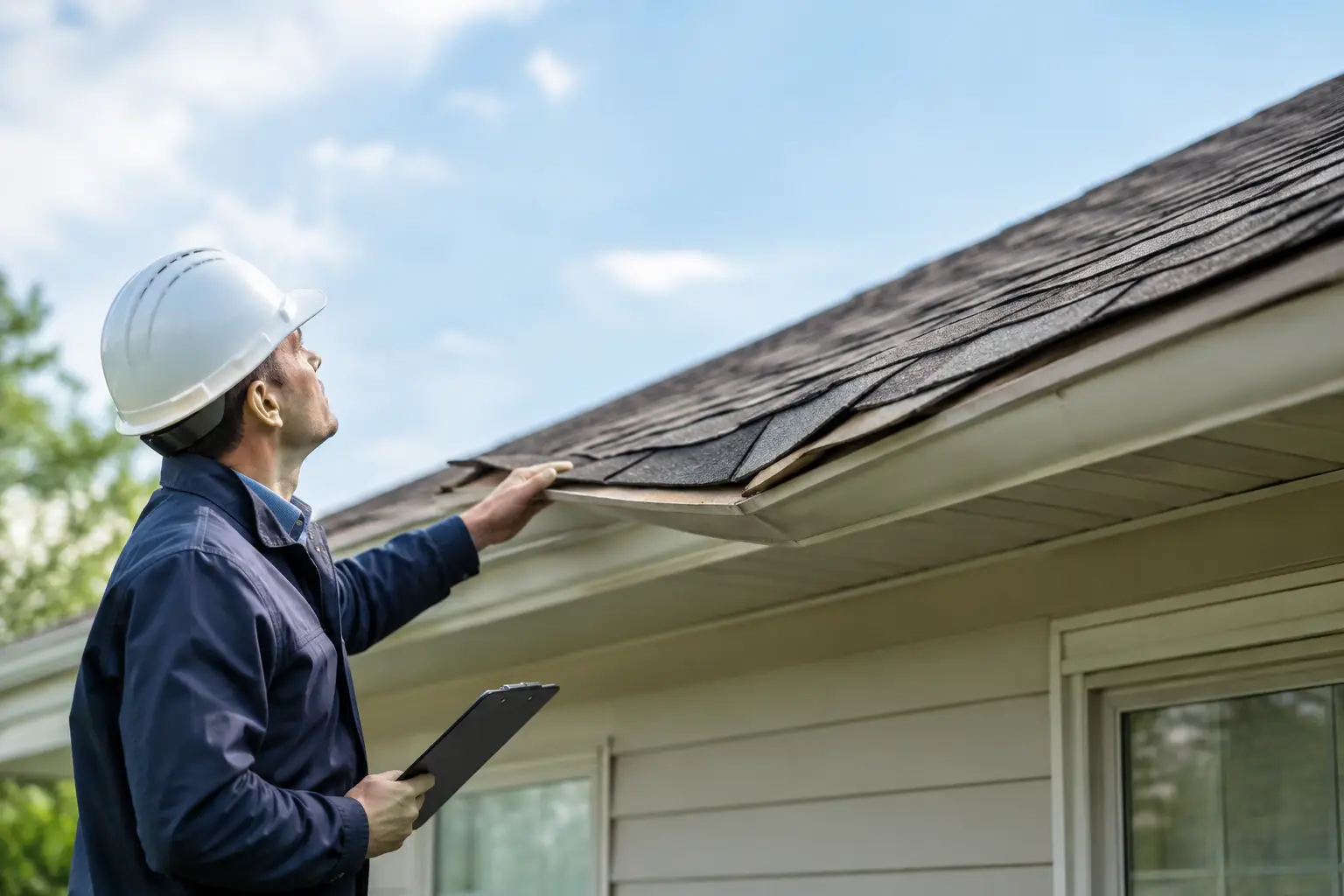
If a roof is near the end of its service life, repeated repairs can become more expensive than replacing it. That is especially true when leaks are recurring, shingles are brittle or missing across multiple areas, flashing has begun to fail, or moisture has affected the decking below. A professional inspection is often the point where owners stop reacting to problems and start planning around facts.
Start with condition, not materials
Many owners begin by asking whether they want asphalt, metal, slate, or cedar. That is understandable, but the smarter first step is to understand the current roof assembly. A roof can look worn from the ground and still be structurally serviceable in parts. It can also look acceptable from the curb while hiding soft decking, poor attic ventilation, ice dam history, or water intrusion around penetrations.
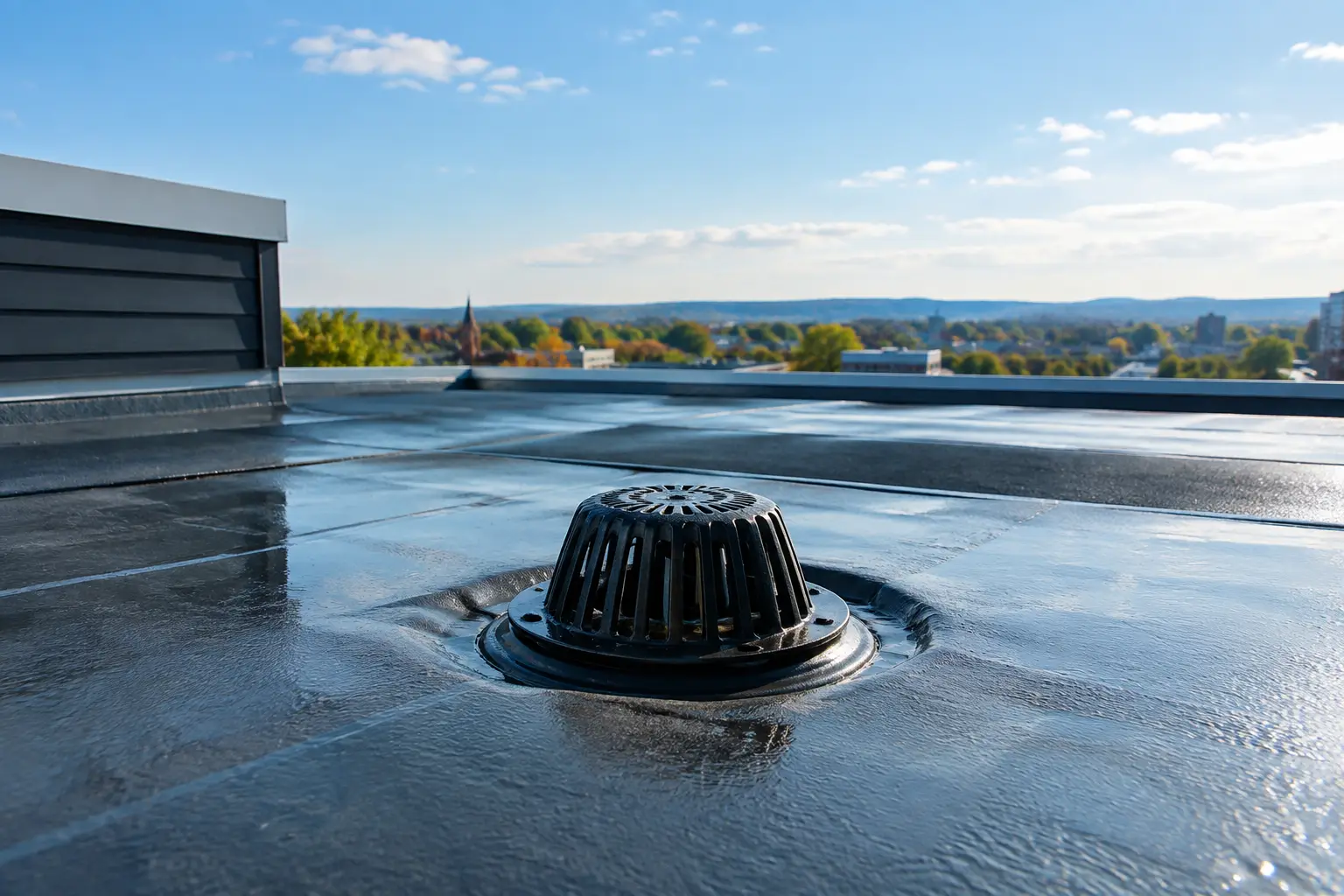
For residential properties, that means looking at shingles or tiles, underlayment, flashing, ridge ventilation, soffit intake, chimney areas, skylights, and the roof deck itself. For commercial properties, it means reviewing membrane condition, insulation, seams, drainage paths, ponding areas, edge metal, and rooftop penetrations. The replacement strategy should come from the condition of the full system, not just the visible surface.
This is also where local knowledge matters. Connecticut roofs deal with winter freeze-thaw cycles, ice dam pressure, heavy rain, humidity, and storm exposure. Coastal properties may also face harsher wind and salt-related wear. A replacement plan that ignores those realities may look good on paper but perform poorly over time.
Budgeting for roof replacement without surprises
Most owners want a single number. In reality, roof replacement pricing depends on several variables, and some of them are not fully known until tear-off begins. Size, slope, accessibility, material choice, existing layer removal, flashing complexity, chimney work, skylights, ventilation upgrades, and plywood replacement all affect final cost.
The most common budgeting mistake is comparing estimates that do not include the same scope. One proposal may include full tear-off, disposal, upgraded underlayment, ice and water protection, and ventilation improvements. Another may appear lower simply because key components are excluded or only loosely described. Lower pricing is not always a savings if it leaves out critical work.
A strong estimate should make clear what is being removed, what is being installed, how vulnerable areas will be protected, and what happens if damaged decking is found. Owners should also ask whether permit requirements, cleanup, disposal, and site protection are included. For commercial properties, project phasing and business continuity may also need to be priced into the job.
Financing can also be part of the planning process. For many property owners, it makes more sense to install the right roof now than to delay replacement and continue paying for emergency repairs, interior damage, or energy loss caused by poor ventilation and water intrusion.
Choosing the right roofing material for the property
The best material is not always the most expensive one. It is the one that matches the building, local conditions, performance goals, and budget.
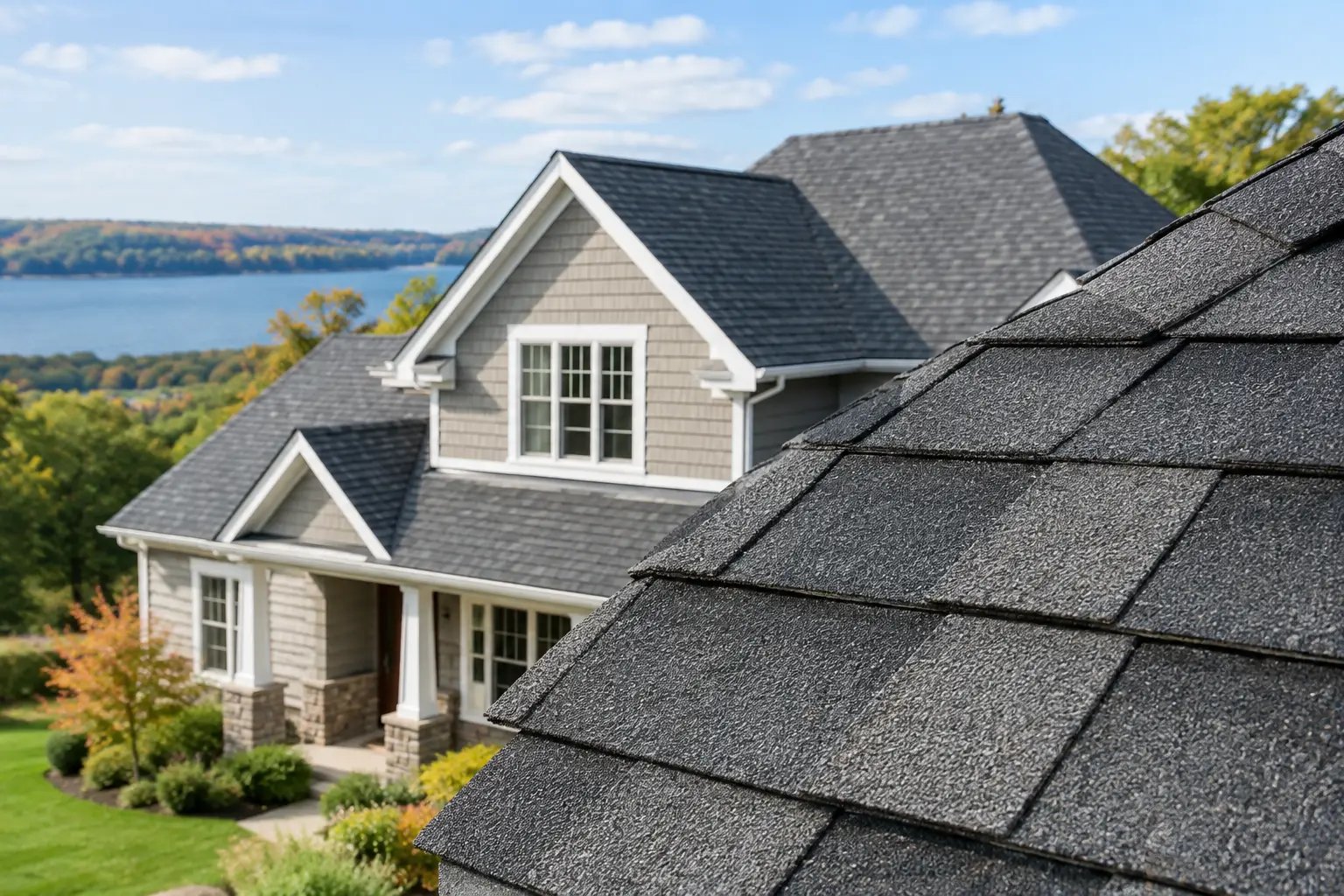
Asphalt shingles remain a strong option for many homes because they offer dependable performance, broad style options, and a practical price point. Metal roofing can be an excellent fit for owners who want long-term durability and strong weather resistance, but installation quality is critical and the upfront investment is higher. Cedar offers character and curb appeal, especially on distinctive or higher-end homes, though maintenance expectations should be understood. Slate can be the right choice for historic and premium properties, but it requires specialized handling, structural consideration, and experienced installation. Rubber and other membrane systems are often used on low-slope residential sections and commercial buildings where drainage behavior and seam integrity are central concerns.
A reliable roof replacement planning guide should also address the trade-offs. Some materials may last longer but cost more upfront. Others may be easier to repair later but offer a different appearance. In some cases, the architecture of the building or the pitch of the roof narrows the choices. On older homes, the structure may need evaluation before a heavier material is installed.
Timing the project in Connecticut
Many owners assume roof replacement should only happen in one season. In practice, scheduling depends on weather windows, the roof’s condition, and how urgent the problem is. Spring through fall is often preferred because of more predictable conditions, but waiting for the perfect month is not always realistic.
If a roof is actively leaking, has storm damage, or shows signs of widespread failure, delaying can increase repair costs well beyond the roof itself. Water can move into insulation, framing, ceilings, and wall assemblies. Mold risk and interior disruption can follow quickly.
Planning ahead gives owners more control over scheduling, material selection, and budget. Emergency replacements usually leave less room for comparison and less flexibility in timing. If your roof is aging but not yet failing, this is the best time to get it inspected and build a replacement timeline before the next storm season forces the issue.
How to compare roofing contractors
A roof replacement is a major exterior project, but it is also a trust decision. The contractor you choose will affect workmanship, product performance, warranty value, project communication, and how problems are handled if something unexpected is discovered.
Look for a contractor with proven experience in the roof system you need, not just general roofing claims. That matters for slate, cedar, metal, low-slope systems, and historic properties, where details can affect both performance and appearance. Manufacturer certifications also matter because they can reflect training, installation standards, and access to stronger warranty options.
Insurance, licensing, local references, and a clearly written scope should all be part of the review. For occupied commercial buildings and busy households, responsiveness also matters. You want a company that can explain the process, protect the site, maintain a clean job area, and stay accountable from inspection through final walkthrough.
For owners in Fairfield County, local experience is especially valuable. A contractor familiar with coastal exposure, winter ice issues, and regional building conditions is in a better position to recommend the right system and install it properly. That is one reason many property owners choose established local specialists such as Rick’s Main Roofing for both residential and commercial replacement work.
Questions to settle before work begins
Before the project starts, owners should understand the schedule, staging plan, noise expectations, access needs, and cleanup procedures. It is also worth confirming who will be on site, how weather delays are handled, and how change orders are approved if hidden damage is uncovered.
For homes, that may include driveway access, landscaping protection, attic considerations, and where debris containers will be placed. For commercial properties, it may involve tenant coordination, safety zones, loading access, and plans to minimize disruption during business hours.
The more clearly these items are addressed up front, the smoother the project tends to go. Good planning does not eliminate every surprise, but it does reduce confusion, delays, and preventable cost increases.
Roof replacement planning guide for long-term value
A new roof should solve more than the immediate leak or visible wear. It should improve weather protection, support proper ventilation, reduce the chance of recurring trouble spots, and give the owner confidence that the system was built for local conditions.
That is why planning matters as much as installation. When the inspection is thorough, the scope is clear, the material fits the property, and the contractor understands Connecticut roofing challenges, the result is a roof that performs the way it should.
If your roof is showing age, storm damage, or repeated problems, the best next step is not to wait for a bigger failure. It is to get clear answers now, while you still have time to make a careful decision.