

A roof leak rarely shows up at a convenient time. It starts as a stain on the ceiling, a draft in the attic, or shingles scattered across the yard after a storm. At that point, most property owners are asking the same question: is this a case for roof repair or replacement?
The right answer depends on more than the leak itself. In Connecticut, roofing decisions are shaped by winter ice, wind-driven rain, coastal exposure, aging materials, and ventilation issues that are easy to miss from the ground. A small problem can often be fixed effectively, but the wrong repair on a failing roof usually turns into repeat service calls, interior damage, and higher long-term cost.
When roof repair or replacement becomes the real question
Most roofs do not fail all at once. They wear down in stages. A few damaged shingles may not be alarming on their own, but if those shingles are part of a larger pattern of granule loss, flashing failure, soft decking, or widespread age-related deterioration, a repair may only delay the inevitable.
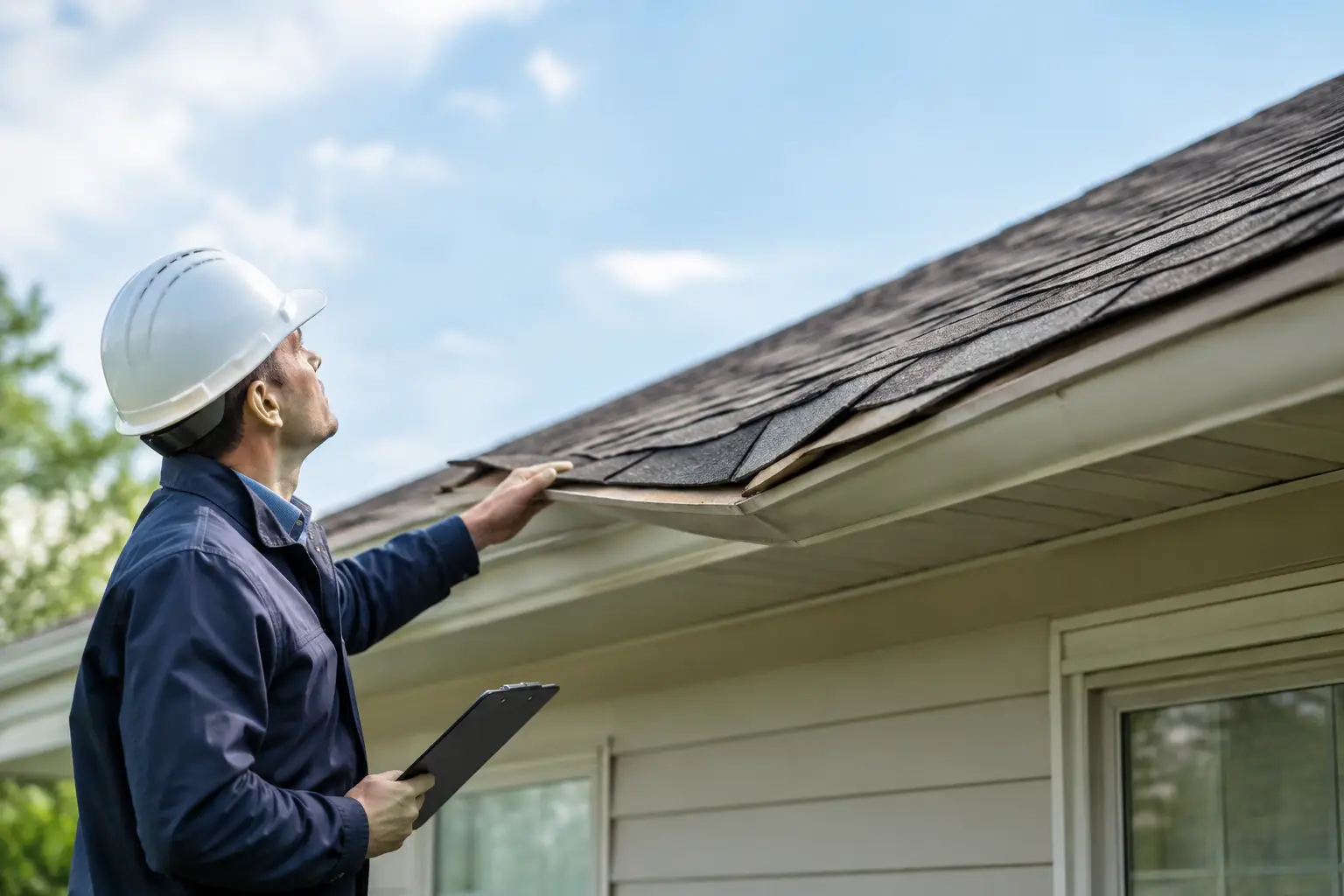
That is why the first step is not guessing from the driveway. It is a professional inspection that looks at the full roofing system, including shingles or membrane, underlayment, flashing, roof penetrations, drainage, ventilation, and the condition of the decking below. For commercial properties, it may also involve seams, insulation condition, ponding water, and the history of previous patchwork.
In many cases, a targeted repair is the practical choice. In others, replacement is the more responsible recommendation because it solves the root problem rather than the symptom.
Signs a roof repair makes sense
Roof repair is often the right move when damage is limited, recent, and isolated to one section of an otherwise healthy roof. If a branch struck one slope, a few shingles lifted in a wind event, or flashing around a chimney or vent has failed, a well-executed repair can restore performance without the cost of full replacement.
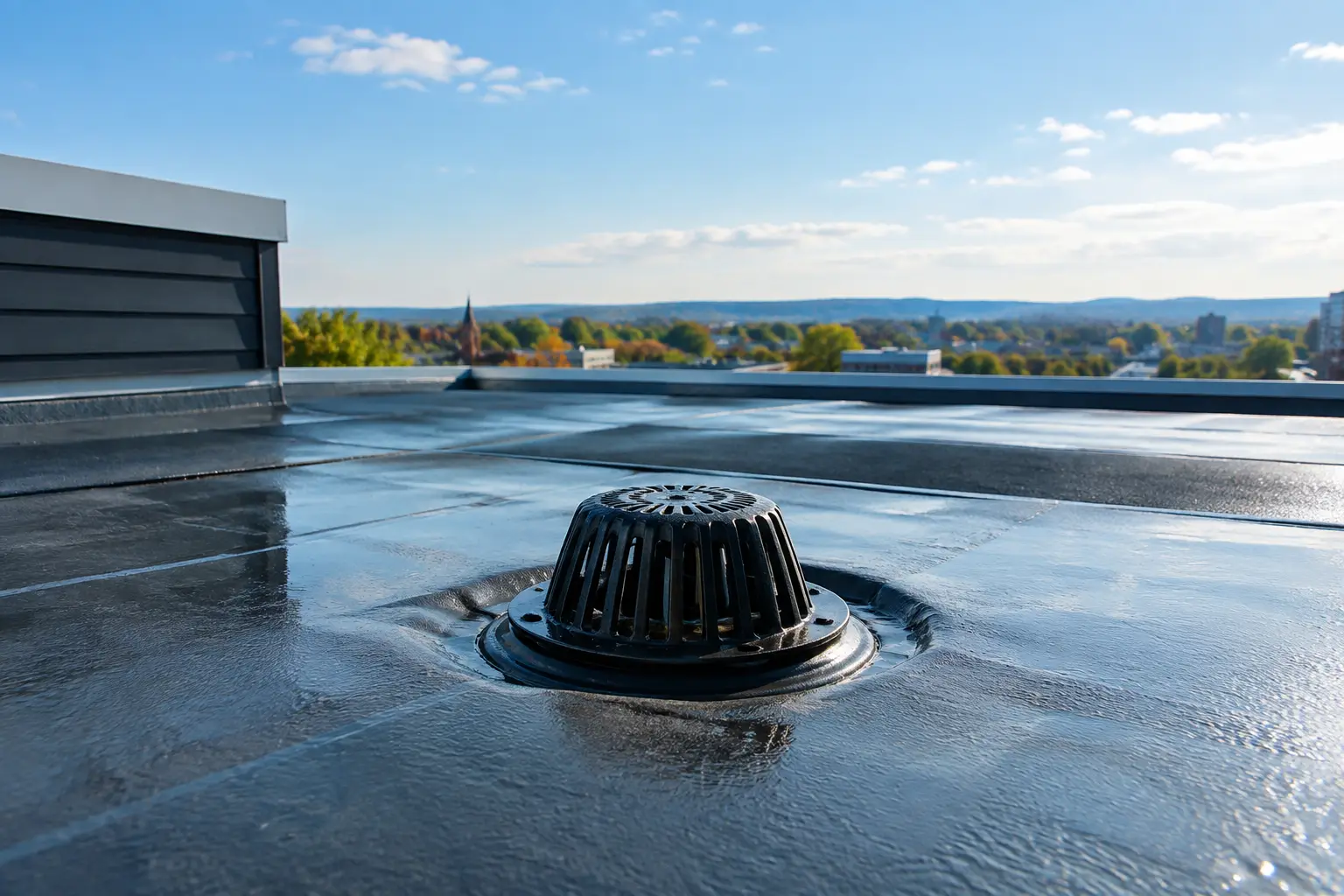
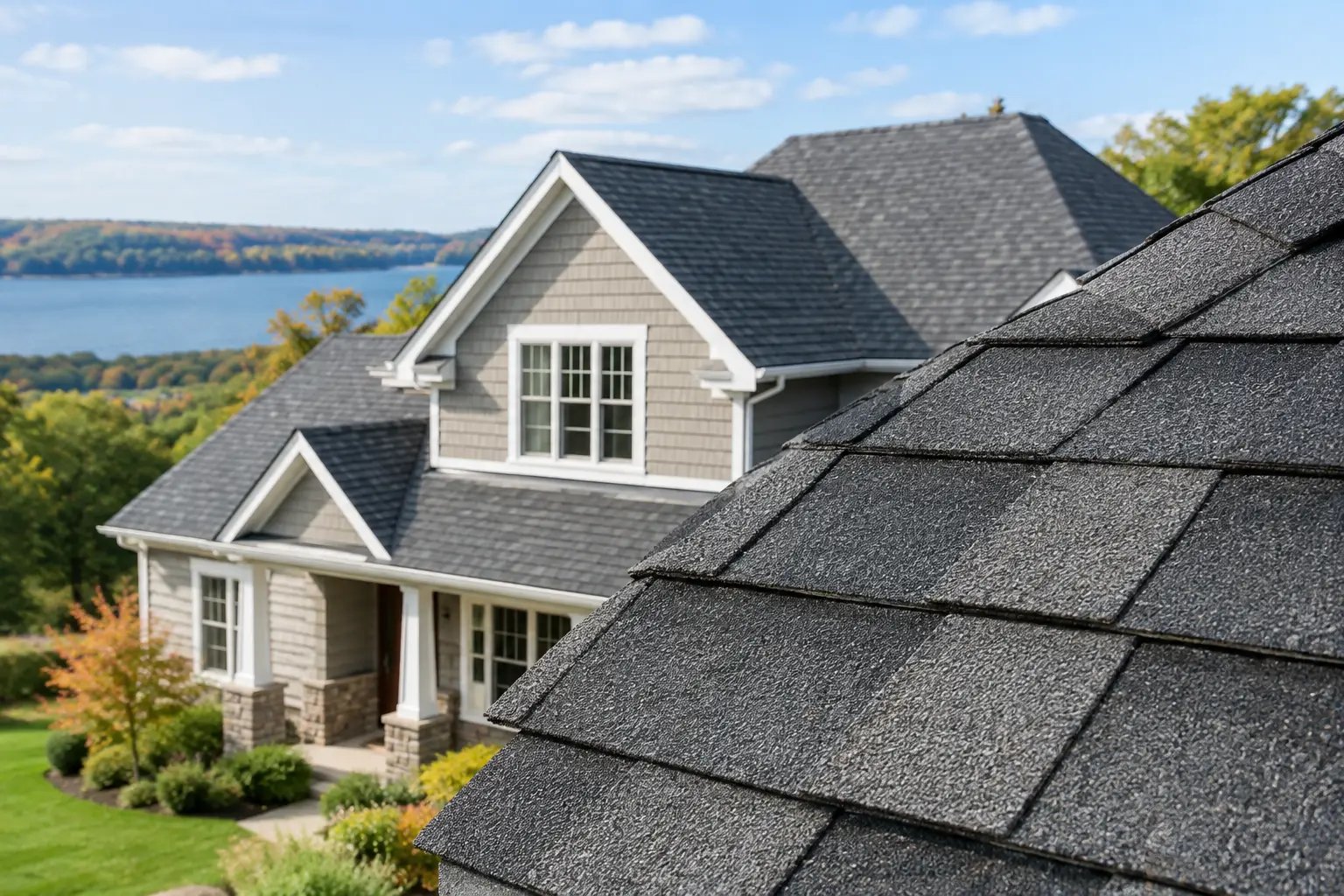
Repairs are also common when the roof is still within a reasonable service life. An asphalt roof with many solid years left may not need a full tear-off because of one leak around a pipe boot. A slate or cedar roof may only require selective replacement of damaged pieces if the surrounding system remains structurally sound. On flat or low-slope commercial systems, localized membrane damage can sometimes be repaired effectively if moisture has not spread beneath the surface.
The key is whether the problem is truly isolated. If a repair addresses a single failure point and the surrounding roof is in good condition, it can be a smart investment.
Signs replacement is the better long-term decision
A roof replacement becomes the better option when problems are widespread, recurring, or tied to overall system age. If leaks keep appearing in different areas, if repairs have already been made several times, or if the roof is approaching the end of its expected lifespan, more patching often stops making financial sense.
There are also structural and performance issues that point clearly toward replacement. Sagging areas, saturated insulation, deteriorated decking, chronic ventilation problems, widespread shingle curling, missing granules across multiple sections, failed valleys, and broad flashing deterioration are not minor repairs. They are signs that the roof system is no longer protecting the building the way it should.
For homeowners, replacement can also be the better choice when curb appeal, energy performance, and resale value matter. For commercial properties, it often comes down to risk management. Ongoing leaks can damage inventory, disrupt tenants, affect operations, and create liability far beyond the cost of a new roof.
Age matters, but it is not the only factor
Property owners often ask for a simple rule based on years. Age matters, but it is only part of the picture.
An older roof that was properly installed, well ventilated, and maintained may still have useful life left. A newer roof that was installed poorly, exposed to storm damage, or built with unresolved ventilation issues may need major work much sooner. Coastal conditions can accelerate wear, especially on homes and buildings exposed to salt air and wind. Ice dams and freeze-thaw cycles can also shorten roof life if drainage and insulation are not working together properly.
That is why an inspection should focus on condition, not just age. The same material can perform very differently from one building to the next depending on slope, tree coverage, attic airflow, prior workmanship, and weather exposure.
Cost is important, but value matters more
It is natural to look at repair first because the upfront cost is lower. In the right situation, that is the correct decision. But the cheapest immediate option is not always the lowest overall cost.
A repair that buys several more years from a sound roof is money well spent. A repair on a failing roof can become expensive quickly if it leads to additional leak damage, insulation loss, mold concerns, ruined drywall, or emergency service during the next storm. Repeated patching also adds up. At some point, those repair costs begin to approach replacement without delivering the reliability of a new system.
Replacement requires a larger investment, but it can provide a fresh warranty, better material performance, updated flashing details, improved ventilation, and more predictable protection for the property. For many owners, that stability is worth more than another short-term fix.
Connecticut conditions change the decision
Roofing in Fairfield County is not the same as roofing in a milder climate. Snow loads, ice dams, heavy rain, nor’easters, summer humidity, and coastal weather all affect how a roof ages and how damage should be evaluated.
A leak may start with storm damage, but the underlying issue could be poor attic ventilation that caused condensation and ice backup over several seasons. Missing shingles may be visible, while hidden damage to underlayment or flashing is not. On coastal homes, corrosion and wind exposure can turn a repairable issue into a broader replacement conversation faster than many owners expect.
This is one reason local experience matters. Roofing decisions should be based on how systems perform in this region, not just on generic lifespan charts.
Material type can shift the answer
Not every roof should be evaluated the same way. Asphalt roofs are often repaired successfully when damage is limited, but matching older shingles can be difficult, and widespread wear usually points toward replacement. Cedar roofs may allow for selective repairs, though the condition of surrounding shakes and ventilation is critical. Slate roofs can often be repaired rather than replaced, especially on historic homes, but that work requires material-specific skill.
Metal and rubber roofing systems also need specialized assessment. A leak in a metal roof may come from fasteners, seams, flashing, or movement at penetrations rather than from the panels themselves. On rubber roofing, seam failure or membrane punctures may be repairable, but trapped moisture below the system can change the recommendation.
For both residential and commercial buildings, the right answer depends on the roofing system, not just the symptom.
The inspection should lead the recommendation
A trustworthy contractor does not push every customer toward full replacement, and does not offer a quick patch without looking deeper. The recommendation should come from what the roof is actually doing.
That means documenting visible damage, identifying active leak sources, checking for hidden moisture, evaluating ventilation, and looking at how previous repairs have held up. It also means having an honest conversation about goals. Some owners need the most cost-effective short-term repair because they are managing an urgent issue. Others want the best long-term solution because they plan to stay in the property or protect a commercial asset.
At Rick’s Main Roofing, that kind of evaluation matters because the right recommendation is not one-size-fits-all. It has to fit the building, the material, the timeline, and the level of risk the owner is willing to carry.
What to do if you are unsure
If you are seeing leaks, interior staining, missing shingles, ponding water, or signs of storm damage, do not wait for the next weather event to make the decision for you. Small roofing problems have a way of expanding when water gets below the surface.
The practical next step is a professional inspection from a contractor who handles both repairs and full replacements. That matters because the assessment should not be limited to one service offering. You want a clear explanation of the roof’s condition, what can realistically be repaired, what cannot, and how each option affects cost, reliability, and future maintenance.
A good roofing decision is not about choosing the cheapest path or the biggest project. It is about choosing the option that protects your property properly, fits the true condition of the roof, and gives you confidence the next time Connecticut weather puts it to the test.