

A roof can look fine from the driveway and still be much closer to failure than most property owners realize. When homeowners ask, how long does asphalt roof last, the honest answer is usually a range, not a single number. In Connecticut, that range depends on shingle quality, attic ventilation, installation standards, storm exposure, and how well the roof has been maintained over time.
For most homes, an asphalt shingle roof lasts about 15 to 30 years. Basic 3-tab shingles tend to fall on the lower end of that range, while architectural shingles often last longer. Under the right conditions, some premium systems can perform beyond 30 years, but that should not be treated as a guarantee. Real roof life is shaped by local weather and workmanship far more than marketing claims.
How long does asphalt roof last in real-world conditions?
Manufacturer literature often presents ideal lifespan estimates. Real roofs live in the real world. In Fairfield County and along the Connecticut coast, that means freeze-thaw cycles, heavy rain, snow loads, wind-driven storms, salt exposure in some areas, and summer heat that can stress aging shingles.
On a well-built home with proper ventilation and professional installation, an architectural asphalt roof may hold up for 22 to 30 years. A lower-cost shingle system on a roof with poor attic airflow or repeated storm exposure may show meaningful wear much earlier. If repairs have been layered over underlying deck problems or older flashing issues, lifespan can drop even more.
That is why two asphalt roofs installed in the same year can age very differently. One may still have years of service left, while the other is already leaking around penetrations or losing granules at a rate that signals decline.
The biggest factors that affect asphalt roof life
The material itself matters, but it is only one part of the equation. Installation quality is often the difference between a roof that ages evenly and one that starts failing in vulnerable areas years ahead of schedule.
Shingle type and product grade
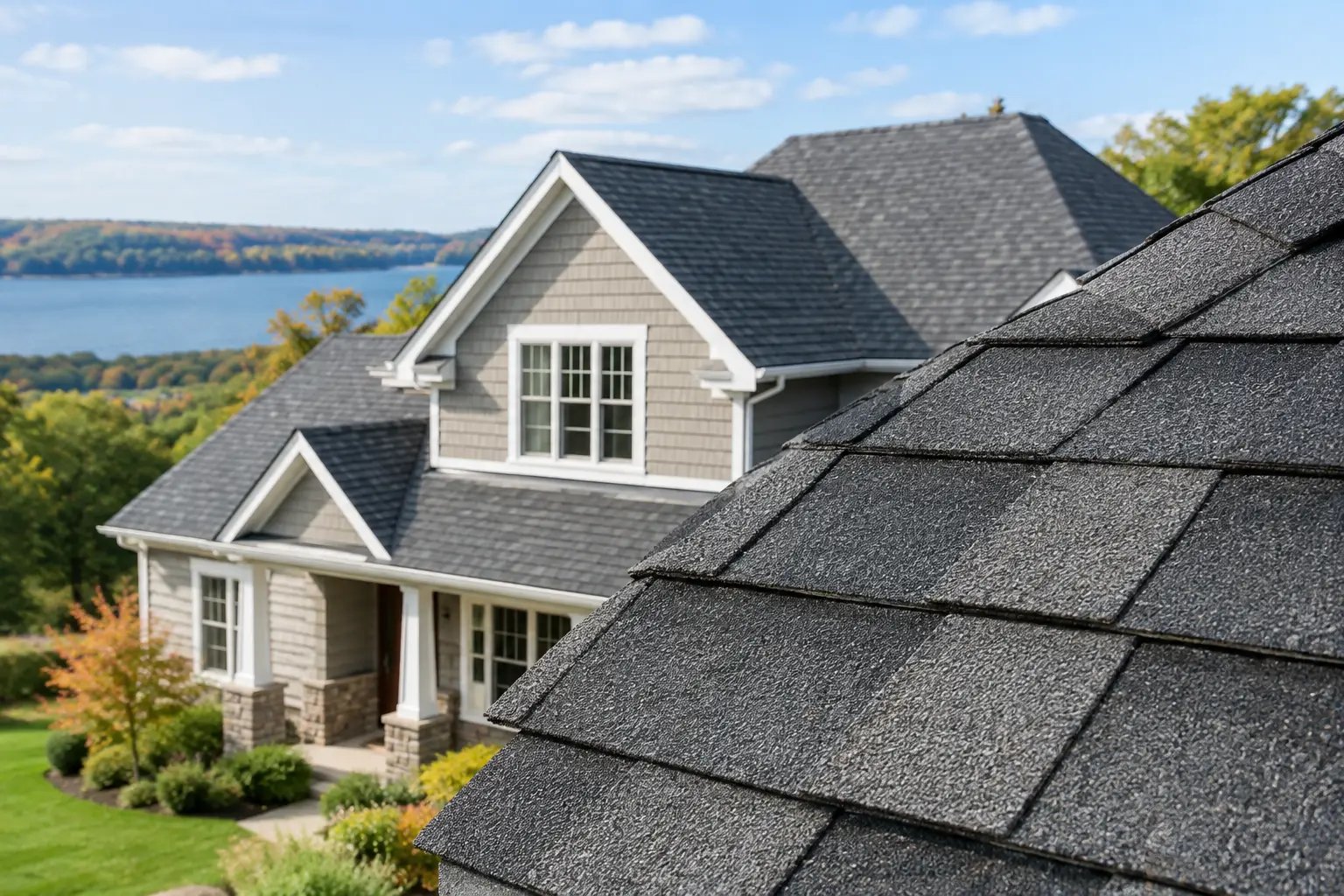
3-tab shingles are generally thinner and less durable than architectural shingles. They can still be a practical option in some situations, but they usually do not offer the same wind resistance or long-term performance. Architectural shingles are heavier, more dimensionally stable, and typically a better fit for property owners looking for stronger service life.
Premium asphalt systems can offer longer expected performance, but they also cost more. That trade-off makes sense for many homeowners, especially if they plan to stay in the home for years. For others, budget and timing may make a standard architectural product the smarter choice.
Ventilation and attic conditions
Poor ventilation is one of the most common reasons asphalt roofs wear out early. When heat and moisture build up in the attic, shingles can bake from below in summer and contribute to condensation-related problems in colder months. That hidden stress shortens roof life and can also affect decking, insulation, and indoor comfort.
A roof replacement that ignores ventilation problems is incomplete. The shingles may be new, but the conditions that damaged the last roof are still in place.
Connecticut weather exposure
Roofs in this region take a beating. Ice dams can force water beneath shingles near the eaves. Winter storms add weight and moisture. Wind can lift tabs and loosen flashing. On coastal or near-coastal properties, exposure can be even more demanding.
These conditions do not automatically mean an asphalt roof will fail early, but they do raise the importance of proper installation details. Underlayment, flashing, ventilation, fastening patterns, and ice-and-water protection all matter.
Roof design and drainage
Simple rooflines usually age more predictably than complex ones. Valleys, dormers, skylights, chimneys, and low-slope transitions create more points where water can collect or enter. If gutters overflow or drainage is poor, shingles near the edge can deteriorate faster.
A roof with multiple penetrations may need more frequent inspection, even if the shingles themselves are still in fair condition.
Maintenance and repair timing
Small issues rarely stay small on a roof. A few missing shingles, minor flashing separation, or early sealant failure can let water into the system and accelerate larger damage. Property owners who schedule inspections and address repairs promptly usually get more life from their asphalt roof.
Waiting until interior stains appear is expensive timing. By then, the problem may extend well beyond the visible leak.
Signs your asphalt roof is nearing the end
Age matters, but condition matters more. An older roof is not always ready for replacement, and a younger roof is not always sound. What matters is how the system is performing now.
One of the clearest warning signs is widespread granule loss. If gutters are filling with granules or shingles are developing bald spots, the roof is losing the outer layer that protects it from UV exposure and weathering. Curling, cracking, and brittle shingle edges are also signs that the material is drying out and becoming vulnerable.
You should also pay attention to recurring leaks, dark streaks, soft spots in the decking, loose flashing, and storm damage. If repairs are becoming more frequent or are showing up in multiple areas, replacement may be more cost-effective than continuing to patch the roof.
Inside the property, water stains on ceilings or in the attic can indicate roof failure, but they can also point to ventilation or flashing issues. Either way, they call for a professional inspection.
Repair or replacement – how to make the call
This is where many property owners lose money by waiting too long or replacing too soon. The right decision depends on the roof’s age, the extent of the damage, and whether the issue is isolated or systemic.
If a relatively newer asphalt roof has a limited problem after a storm, a targeted repair may be the right move. The same is true if flashing has failed around a chimney or vent but the rest of the roof is still in solid shape. A well-executed repair can restore protection and extend service life.
If the roof is already near the end of its expected lifespan and problems are spreading, repair dollars can start working against you. Replacing a roof before widespread leaks, decking damage, or mold issues develop is often the more practical financial decision. It also gives you the chance to correct ventilation, underlayment, and flashing details rather than just treating symptoms.
For commercial properties and multifamily buildings, the decision can be even more timing-sensitive because deferred replacement can affect operations, tenants, and long-term maintenance budgets.
How to get the longest life from an asphalt roof
The best way to extend roof life is to treat the roof as a system, not just a layer of shingles. That starts with quality installation and continues with regular inspection.
Choose a contractor who understands local weather conditions and installs complete roofing systems, including underlayment, ventilation, flashing, and edge details. Material quality matters, but even the best shingles cannot make up for poor workmanship.
After installation, schedule inspections after major storms and periodically as the roof ages. Keep gutters clear so water drains properly. Trim overhanging branches where practical. Address minor issues before they become interior damage. If your attic runs hot or shows signs of moisture, have ventilation reviewed rather than assuming the shingles are the only issue.
In coastal and storm-prone Connecticut environments, preventive attention is often what separates a roof that reaches its full service life from one that falls short.
How long does asphalt roof last before you should inspect it more often?
Even if a roof is not leaking, inspection frequency should increase as it gets older. Around the 10- to 15-year mark, many asphalt roofs begin to show wear patterns that are worth tracking. That does not mean replacement is imminent. It means the roof has entered a stage where small defects become more consequential.
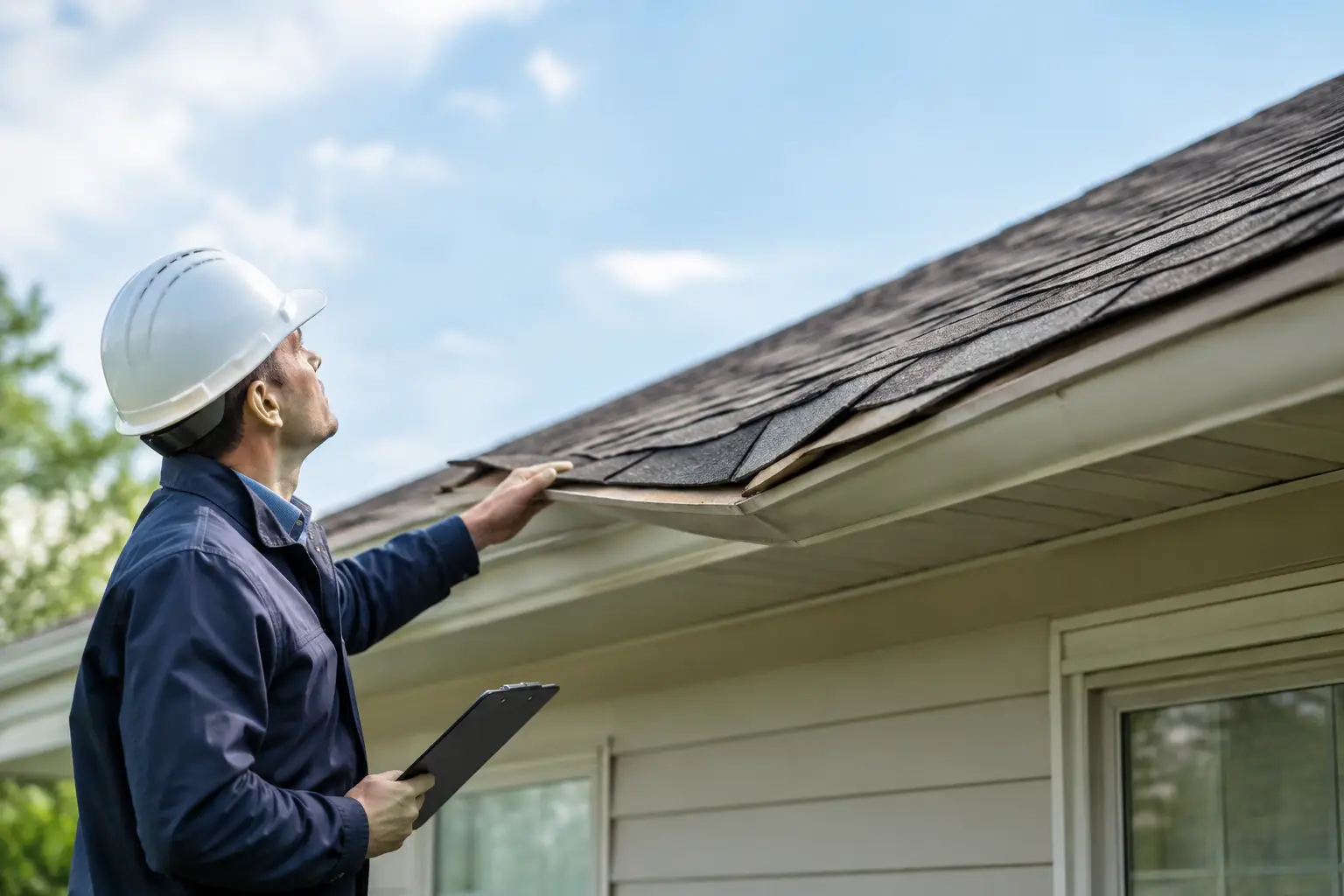
Once a roof moves into the later part of its expected lifespan, annual inspections are a smart step. They can catch failing pipe boots, flashing gaps, storm-related shingle loss, and early drainage problems before they turn into structural repairs.
For homeowners in Norwalk and surrounding communities, this is especially useful after harsh winters or major wind events. A roof may look intact from the ground and still have damage that shortens its remaining life.
A good asphalt roof does not fail all at once. It usually gives warnings first. The key is knowing which signs matter and acting before a repair becomes an emergency. If you are not sure where your roof stands, a professional inspection gives you something more useful than a guess – a clear picture of condition, remaining life, and the smartest next step. For property owners who want straight answers, that clarity is what protects both the building and the budget.