

If your roof is nearing the end of its life, the metal roof vs shingles question usually comes down to more than appearance. In Connecticut, your roof has to deal with snow loads, wind-driven rain, coastal exposure, summer heat, and the freeze-thaw cycle that can shorten the life of the wrong system. What works well on one property may be a poor fit for another, which is why material choice should be based on performance, budget, and the way the building is actually used.
For homeowners and property managers in Norwalk and across Fairfield County, asphalt shingles and metal roofing are both proven options. The right choice depends on how long you plan to keep the property, how much maintenance you want to take on, and how much value you place on longevity, energy performance, and storm resistance.
Metal roof vs shingles: the basic difference
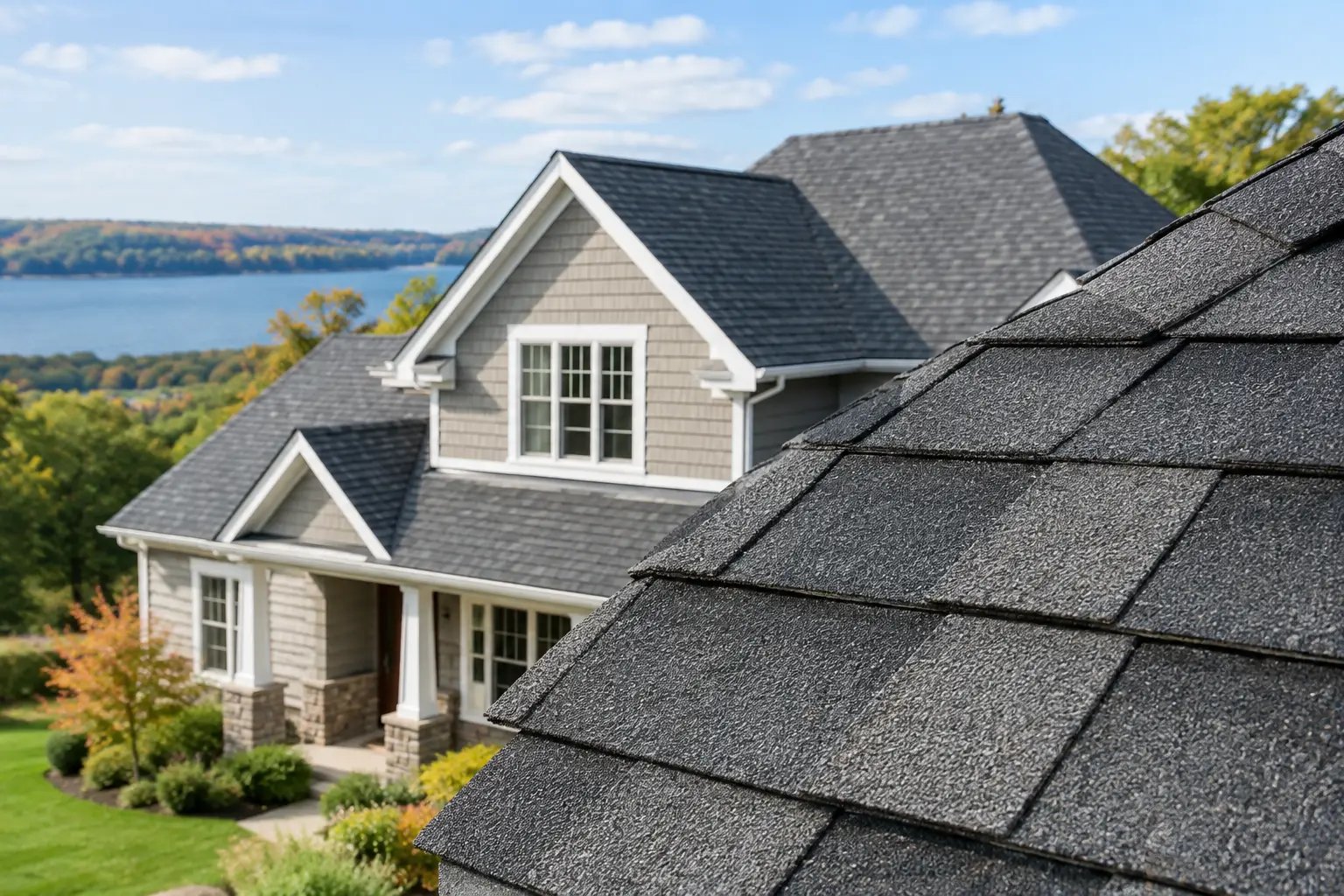
Asphalt shingles remain the most common residential roofing material because they are widely available, cost-effective, and familiar to most property owners. They perform well when installed properly, and modern architectural shingles offer solid protection with a wide range of styles and colors. For many homes, they are a practical and dependable choice.
Metal roofing is different in both structure and performance. Instead of overlapping asphalt-based tabs, metal systems use formed panels or metal shingles designed to shed water quickly and hold up under demanding weather. A properly installed metal roof can last significantly longer than asphalt, and it often performs especially well in areas where wind, salt air, and heavy precipitation are regular concerns.
That does not automatically make metal the better option for every building. A roof should match the structure, the budget, and the owner’s goals.
Cost is usually the first deciding factor
For most property owners, the first major difference is upfront cost. Asphalt shingles are typically less expensive to install than metal roofing. If you need a full roof replacement now and want a reliable system at a lower initial investment, shingles often make sense.
Metal roofs usually require a higher upfront investment because of material cost, fabrication, accessories, and the skill needed for correct installation. Details matter with metal. Panel layout, fastening methods, flashing work, ventilation, and trim installation all need to be handled with precision. Poor installation can erase the benefits of a premium material.
The long-term math can shift, though. If you expect to stay in the property for decades, a metal roof may offer better lifecycle value because it can outlast multiple shingle roofs. For an owner planning to sell in a few years, shingles may be the more practical financial decision.
Lifespan and long-term value
This is where metal usually takes the lead. Asphalt shingle roofs can deliver many years of service, but their lifespan depends heavily on product quality, attic ventilation, sun exposure, storm history, and installation quality. In Connecticut, ice dams, moisture issues, and seasonal weather swings can all affect how long shingles hold up.
Metal roofing generally lasts longer and is less vulnerable to many of the aging issues that affect asphalt. It does not dry out in the same way, and it tends to maintain performance well over time when the system is properly designed and installed.
That longer lifespan matters most for owners who want to reduce future replacement cycles. It can also be a strong advantage for commercial properties and higher-end homes where long-term maintenance planning is a serious consideration, not an afterthought.
Weather performance in Connecticut conditions
Roofing decisions in Fairfield County should always account for local weather. A roof here has to manage winter snow, ice buildup, spring rains, summer storms, and in some locations, coastal salt exposure.
Metal roofing is often a strong performer in harsh weather. It sheds snow efficiently, resists many wind-related issues well, and can be an excellent option for coastal properties where durability matters. It is also less likely to absorb and retain moisture the way other materials can.
Shingles can also perform very well, especially high-quality architectural systems installed with the right underlayment, ice and water protection, and ventilation strategy. The key is not just the shingle itself but the full roofing system. A good product installed poorly will not hold up the way it should.
If your property has a history of ice dams, storm exposure, or wind-related damage, the roof design and installation details matter just as much as the material choice. Valleys, flashing, ridge ventilation, roof pitch, and attic conditions all affect real-world performance.
Appearance and fit for the property
Curb appeal matters, especially in established Connecticut neighborhoods where home style and rooflines are part of the property’s overall value. Shingles offer versatility and a traditional look that works well on a wide range of homes. They often blend easily with surrounding properties and are a comfortable choice for owners who want a familiar appearance.
Metal roofs create a different visual impact. On some homes, especially coastal, contemporary, farmhouse, or higher-end properties, metal can look exceptionally sharp. On others, it may not match the architectural character as naturally as shingles, cedar, or slate-inspired systems.
This is one of the clearest areas where it depends. The best-looking roof is the one that fits the home, not the one that follows a trend.
Maintenance and repair considerations
No roofing material is maintenance-free. That said, maintenance needs are different.
Shingle roofs may require attention over time for missing shingles, granule loss, flashing wear, algae staining, or storm-related damage. Repairs are often straightforward when damage is localized, which can make shingles easier to service in some cases.
Metal roofs are known for durability, but they still need inspection and maintenance. Fasteners, seams, sealants, penetrations, and flashing details should be checked regularly. On coastal properties, exposure conditions can also influence the maintenance plan.
Repair complexity can vary. Some metal systems require a contractor with specific experience to diagnose and fix issues correctly. That is not a drawback if the roof is installed and maintained by a qualified roofing company, but it is part of the decision.
Energy efficiency and comfort
Metal roofing can offer advantages in energy performance, particularly when reflective coatings and proper ventilation are part of the system. By reflecting more solar heat, metal may help reduce attic heat gain during warmer months.
Shingles can also support good energy performance, but the outcome depends on color, ventilation, insulation, and the overall roof assembly. In other words, roofing material is only one part of comfort and efficiency. A well-ventilated attic and proper insulation usually matter just as much.
For commercial properties or homes with high cooling demands, metal may be worth a closer look from an energy standpoint. For many residential properties in Connecticut, the efficiency difference is real but should be considered alongside cost and expected ownership timeline.
Metal roof vs shingles for resale and insurance
Both materials can support property value when the installation is high quality and the roof is in good condition. Buyers appreciate a newer roof, regardless of material, because it reduces immediate future expense.
Metal can be attractive to buyers who want longevity and lower long-term replacement concerns. Shingles appeal to a broad market because they are familiar, attractive, and more common. In some situations, insurance considerations may also come into play, especially where wind or weather resistance is a factor, but that varies by property and policy.
A roof replacement should first protect the building. Resale value is important, but it should not override material suitability.
Which roof makes more sense for your property?
Shingles are often the right fit when budget is a priority, the home has a traditional appearance, and the owner wants a dependable roofing system with lower upfront cost. They are also a strong option when the property owner expects solid performance but does not necessarily need the longest possible lifespan.
Metal is often the better fit when long-term value matters most, the property faces harsher exposure, or the owner wants a premium system with strong durability and a longer service life. It can be especially appealing for coastal homes, certain commercial buildings, and owners who plan to stay put.
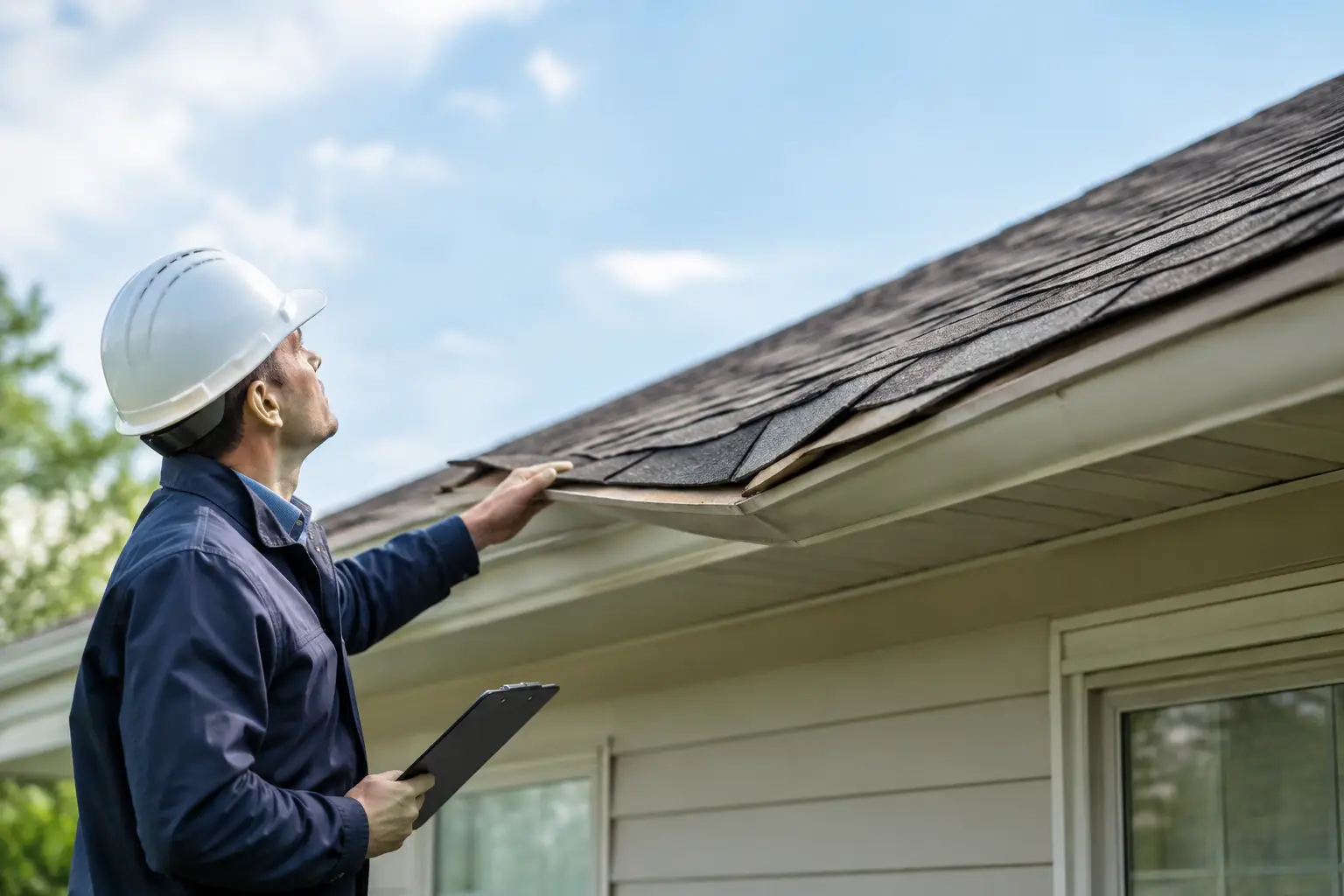
For some properties, the answer is obvious. For others, it takes a closer evaluation of the roof deck, slope, ventilation, architectural style, and weather exposure. That is where an experienced local contractor adds real value. A recommendation should be based on how the roof will perform on your specific building, not on a one-size-fits-all sales pitch.
At Rick’s Main Roofing, that evaluation starts with the same question every property owner should ask: what roof system will protect this building best over time? If you answer that honestly, the right choice between metal and shingles usually becomes much clearer.
A roof is one of the few parts of a property that has to perform every day in every season. Choosing the right material now can save you from bigger costs, repeated repairs, and unnecessary stress later.