

A roof near the water has a harder job than a roof a few miles inland. Salt air, strong wind, driving rain, humidity, and sudden coastal storms all speed up wear. If you are comparing the best roofing materials coastal homes can rely on, the right answer depends on your home’s location, exposure, budget, and how long you plan to stay in the property.
Along the Connecticut shoreline, roofing decisions are rarely just about appearance. They are about holding up through wind events, resisting corrosion, managing moisture, and protecting the structure below. A material that performs well in a sheltered inland neighborhood may not be the best fit for a house exposed to open water, frequent gusts, and seasonal storm pressure.
What coastal roofs are really up against
Coastal roofing systems age differently because the environment is harsher in several ways at once. Salt carried in the air can accelerate corrosion on fasteners, flashing, and exposed metal components. Wind uplift becomes a bigger concern, especially on older roofs or homes with vulnerable edges, ridges, and overhangs. Rain often arrives sideways during coastal storms, which puts more pressure on underlayment, flashing details, and roof-to-wall transitions.
In Fairfield County and nearby shoreline communities, winter can add another layer of stress. Ice dams, freeze-thaw cycles, and ventilation problems can shorten roof life if the system is not designed and installed properly. That is why choosing a material matters, but the installation details matter just as much.
Best roofing materials for coastal homes: what works and why
There is no single product that is perfect for every coastal property. The best roofing materials for coastal homes are the ones that balance weather resistance, structural fit, maintenance expectations, and cost.
Metal roofing
Metal is often one of the strongest options for coastal homes when the right product and coating are selected. It sheds water efficiently, performs well in high winds, and can last for decades. Standing seam systems in particular are known for durability and clean performance in severe weather.
That said, coastal conditions make material selection critical. Not all metal roofs are equally suited for salt exposure. The wrong gauge, finish, or fastener package can lead to premature corrosion. For homes close to open water, this is not a place to cut corners. Proper flashing design and corrosion-resistant components are essential.
Metal also tends to cost more upfront than asphalt. For many property owners, that higher initial investment makes sense because of the long service life and lower maintenance demands. For others, especially on secondary buildings or tighter budgets, a different system may be more practical.
Architectural asphalt shingles
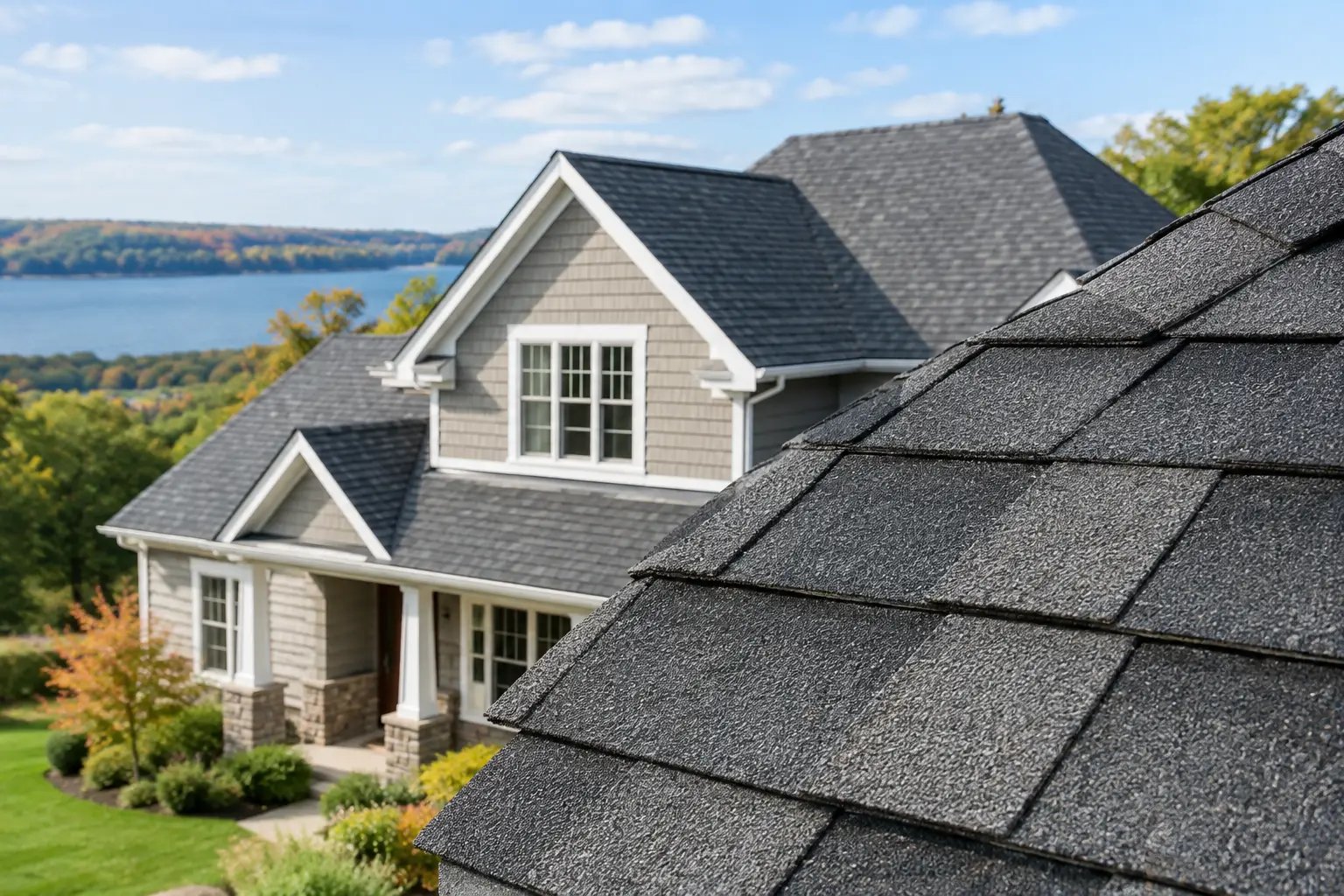
Architectural asphalt shingles remain a common choice because they offer solid performance at a more accessible price point. Modern shingles can provide good wind ratings, dependable water shedding, and a broad range of styles that suit both traditional and updated homes.
For many Connecticut homeowners, asphalt is the practical middle ground. It can work well in coastal areas if the roof system is built correctly, with quality underlayment, proper ventilation, and attention to flashing and edge securement. But asphalt generally will not match the lifespan of premium materials like slate or a high-end metal system in harsh shoreline exposure.
This is where location matters. A home set slightly back from the water with some natural protection may do very well with architectural shingles. A house directly exposed to heavy salt spray and stronger wind loads may benefit from stepping up to a more durable system.
Slate roofing
Slate is one of the most durable roofing materials available and can be an excellent option for coastal homes, especially higher-end and historic properties. It resists moisture, offers exceptional longevity, and brings a premium appearance that fits many classic Connecticut homes.
The trade-off is weight and cost. Slate requires a structure that can support it, and installation must be handled by a contractor with real experience in slate roofing details. Repairs also need specialized knowledge. For the right property, though, slate can be a long-term investment that performs extremely well.
For coastal homeowners thinking long range, slate is often less about the lowest immediate price and more about decades of dependable protection with the right upkeep.
Cedar roofing
Cedar has strong curb appeal and a distinctive natural look, which makes it attractive on certain architectural styles. It can perform well when properly installed and maintained, but coastal exposure creates challenges. Moisture, humidity, algae, and wind-driven weather can shorten service life if maintenance is neglected.
Cedar is rarely the lowest-maintenance option for a shoreline property. Homeowners who choose it usually do so for appearance and character, knowing it requires more attention over time. On a protected coastal site, cedar may still be a reasonable fit. On a highly exposed property, other materials often make more sense from a durability standpoint.
Rubber roofing for low-slope sections
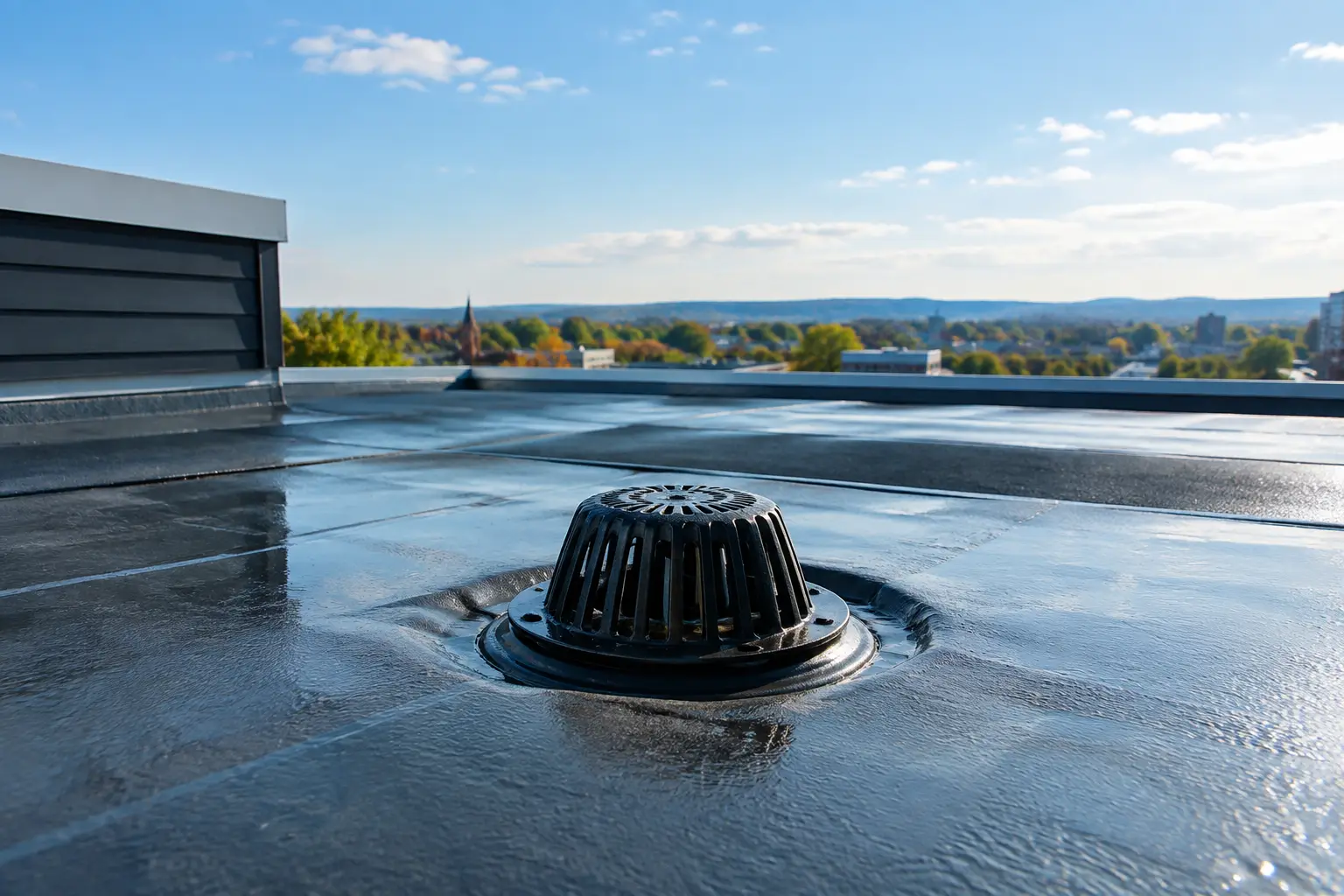
Many coastal homes and mixed-use buildings have low-slope roof sections over additions, porches, garages, or commercial spaces. In those cases, rubber roofing can be a strong choice. It handles water differently than steep-slope materials and is often well suited for flat or low-slope applications.
The key is recognizing where each material belongs. Asphalt shingles and slate are not solutions for every roof area. If part of the structure has low pitch, a properly installed rubber membrane may be the correct system for that section, even if the main roof uses another material. Matching the roofing system to the roof design is part of getting lasting performance near the coast.
How to choose the best roofing materials coastal homes need
The right roofing material starts with exposure, not just preference. A home a few blocks from Long Island Sound faces different conditions than a home directly on the shoreline. Wind speed, salt concentration, surrounding tree cover, roof pitch, and even the shape of the house all affect what will hold up best.
Budget should be considered honestly, but not in isolation. A lower-cost material that needs replacement sooner or requires more repairs in a coastal environment may not be the better value. On the other hand, not every property needs the highest-end system available. The goal is to match the roof to the structure and conditions, not overspend for features the building may not need.
Maintenance expectations also matter. Some homeowners want the lowest-maintenance roof possible. Others are willing to invest in routine upkeep to preserve a certain look, especially on historic or architecturally distinctive homes. There is no wrong preference, but there is a wrong match between expectations and material performance.
Installation quality matters as much as material choice
A strong product can still fail early if the system is installed poorly. Coastal roofing puts more pressure on flashing details, fastening patterns, ventilation, and waterproofing strategy. Chimneys, valleys, skylights, step flashing, ridge vents, and roof edges all become more important when wind and moisture are constant concerns.
That is why a roof should be evaluated as a system, not just a surface material. Underlayment, ice and water protection, attic airflow, decking condition, and attachment methods all influence performance. In coastal Connecticut, this is especially important because homes often face a mix of summer humidity, storm events, and winter ice issues.
For homeowners and property managers, this means the conversation should go beyond, “What shingle do you recommend?” A better question is, “What roof system makes sense for this building and this location?”
When repair makes sense and when replacement is smarter
Not every coastal roof needs a full replacement right away. If the existing system is structurally sound and the issues are localized, repairs may extend service life and protect the property effectively. Replacing damaged flashing, addressing isolated leaks, securing vulnerable areas, or fixing storm-related damage can be the right move.
But when a roof is nearing the end of its life, has recurring leak problems, or shows widespread wear from salt, wind, and weather exposure, replacement is often the more cost-effective decision. Repeated patchwork on a failing coastal roof usually becomes more expensive over time.
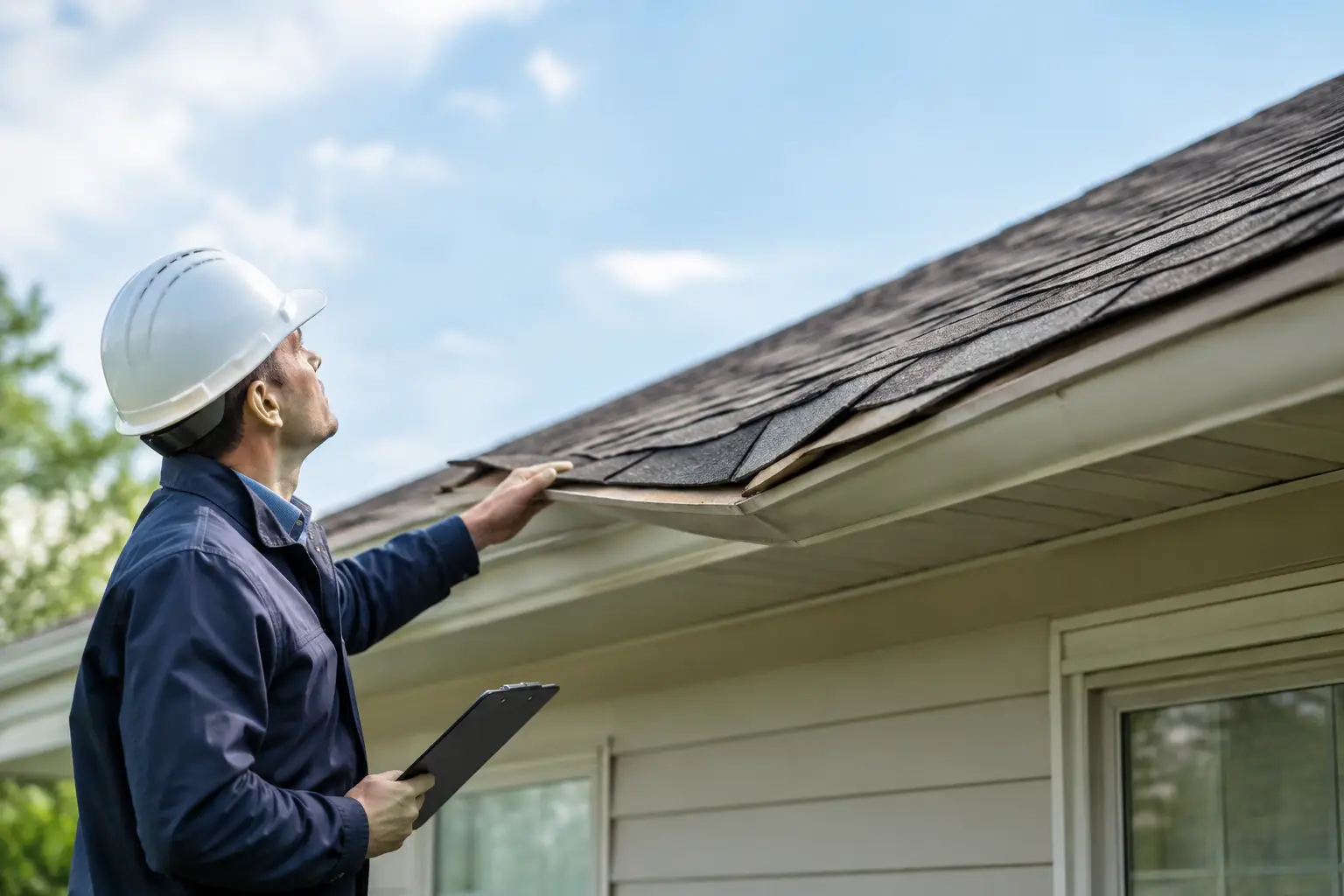
An experienced local contractor can help determine whether the roof has years left with targeted repairs or whether the better investment is a full system upgrade. For shoreline properties, that evaluation should account for both current damage and how the roof is likely to perform through the next major storm cycle.
A coastal roof should do more than cover the house. It should stand up to the environment it lives in, season after season. If you are weighing options for a shoreline property, the best next step is a roof assessment based on your home’s actual exposure, structure, and long-term goals. That is how you choose a roof with confidence, not guesswork.