

A roof rarely fails all at once. More often, it gives clear warnings first – and property owners who catch them early usually have more options, lower risk, and fewer surprises. If you are trying to identify the top signs roof needs replacement, the key is knowing the difference between a repairable issue and a roof system that is simply at the end of its service life.
In Connecticut, that distinction matters. Roofs here deal with winter ice, wind-driven rain, humidity, coastal exposure in some areas, and temperature swings that put steady stress on shingles, flashing, underlayment, and ventilation. A small leak may start as a localized repair, but repeated failures across the same roof often point to a larger replacement need.
Top signs roof needs replacement instead of repair
A repair makes sense when damage is isolated and the rest of the system is still sound. Replacement becomes the better investment when problems are widespread, recurring, or tied to overall age and deterioration. That is especially true when the visible issue is only part of what is happening under the surface.
1. Shingles are curling, cracking, or losing granules
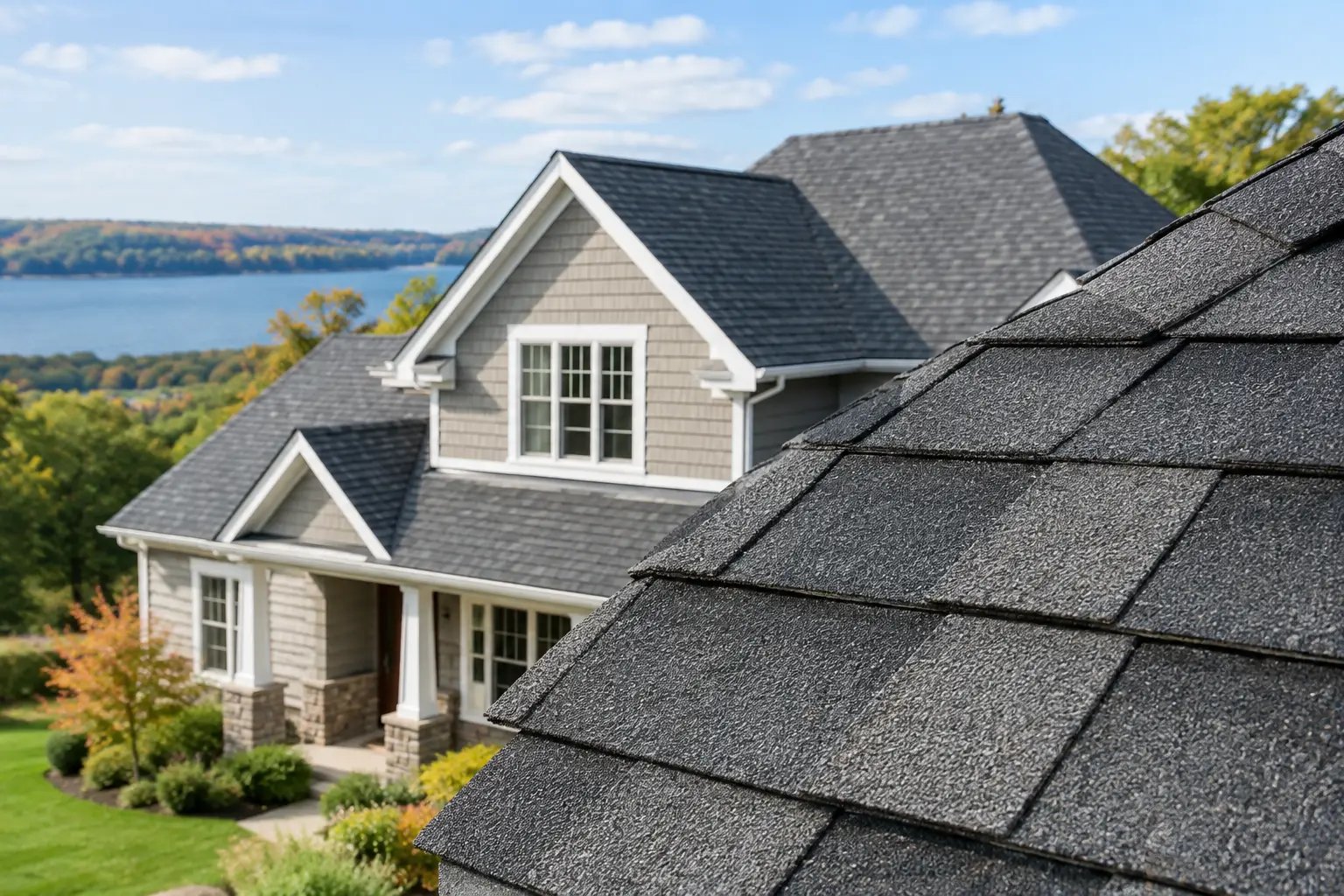
Asphalt shingles tend to show their age in obvious ways. You may see edges curling upward, tabs cracking, or bald spots where protective granules have worn away. Granule loss often shows up in gutters first, which can be easy to overlook until the shingles begin to thin and deteriorate faster.
One or two damaged shingles after a storm may be a repair issue. Widespread wear across multiple slopes usually means the roof has lost too much of its protective layer to keep patching it with confidence.
2. The roof is near or past its expected lifespan
Age alone does not automatically mean replacement, but it does change the equation. Standard asphalt roofs generally have a shorter service life than slate, metal, or some commercial systems, and actual longevity depends on ventilation, weather exposure, installation quality, and maintenance history.
If your roof is approaching the end of its expected life and you are already seeing leaks or repeated repairs, replacement often makes more financial sense than continuing to fix symptoms. For buyers, owners, and property managers, an aging roof also affects budgeting, insurance conversations, and long-term planning.
3. Interior leaks keep returning
A water stain on a ceiling does not always mean the whole roof is done. Sometimes the cause is a flashing failure around a chimney, vent, skylight, or wall connection. But when leaks return after prior repairs, or start showing up in multiple areas, that usually signals broader system failure.
Water intrusion is also deceptive. The stain you see indoors may not line up with the actual entry point on the roof. By the time recurring leaks appear inside, hidden moisture may already be affecting decking, insulation, and framing.
4. The roof deck feels soft or the roofline looks uneven
A roof should look structurally straight. If you notice sagging sections, dips, or a wavy appearance, the problem may go beyond the outer roofing material. Moisture damage to the deck can weaken the structure over time, and that moves the conversation out of simple repair territory.
From the attic, warning signs may include damp wood, dark staining, mold growth, or daylight coming through boards. On the exterior, a soft feeling underfoot during inspection is another red flag. Structural concerns should be addressed quickly because they tend to worsen, not stabilize.
Visible warning signs from the ground and around the property
Some of the most reliable replacement clues are not inside the house at all. They show up around roof edges, in drainage paths, and in the way the roof presents from the curb.
5. Flashing is failing in multiple areas
Flashing protects some of the most leak-prone parts of any roof system, including valleys, chimneys, skylights, dormers, and penetrations. If flashing is rusted, separated, bent, or repeatedly patched, water can work into vulnerable joints over and over again.
Isolated flashing damage can often be repaired. If the roof is older and several flashing zones are failing at once, replacement may be the more dependable path because the surrounding roofing materials are usually wearing out too.
6. Moss, algae, or trapped moisture are becoming persistent
Dark streaks alone are not always a replacement issue. They may be cosmetic algae staining. Moss is more concerning because it can hold moisture against the roof surface and contribute to premature shingle damage, especially in shaded areas.
When biological growth is paired with soft spots, lifted shingles, or moisture-related deterioration, it is no longer just a cleaning issue. Persistent moisture often points to aging materials, drainage problems, or ventilation deficiencies that replacement can address more effectively than surface treatment alone.
7. Storm damage is widespread
Connecticut storms can create visible and hidden roofing damage. Wind can break the seal on shingles, hail can bruise roofing materials, and falling branches can compromise both the outer layer and the deck beneath it. Coastal conditions can add another layer of wear through salt air and stronger weather exposure.
If damage is limited to one section of a newer roof, targeted repair may be enough. But if a storm exposes weaknesses across an already aging system, replacement is often the safer and more cost-effective solution.
Top signs roof needs replacement in the attic and building interior
A roof problem is rarely just a surface problem. What happens beneath the shingles or membrane often tells the fuller story.
8. The attic has poor ventilation and ongoing moisture issues
Improper ventilation shortens roof life. Heat and moisture trapped in the attic can age shingles from below, contribute to mold, and increase the likelihood of ice dams during winter. In homes and buildings with chronic ventilation problems, even a good repair may not hold up as expected because the underlying condition remains.
If the roof is already showing exterior wear and the attic has condensation, mildew, or excess heat buildup, replacement may be the best time to correct the full system rather than keep patching isolated symptoms.
9. Ice dam damage keeps appearing in winter
Ice dams are a common local issue and they can be destructive. When melting snow refreezes at the roof edge, water can back up under shingles and enter the home. Repeated ice dam problems often point to a mix of insulation, ventilation, and roofing detail issues.
You may be able to repair damage from a single event. But repeated winter leakage near eaves, gutters, and exterior walls is often a sign that the roof assembly needs a more comprehensive solution.
10. Repairs are becoming frequent and expensive
At a certain point, repair bills stop saving money. If you are calling for service after every major storm, patching multiple leaks, or replacing one problem area after another, the roof may be costing more to maintain than it is worth.
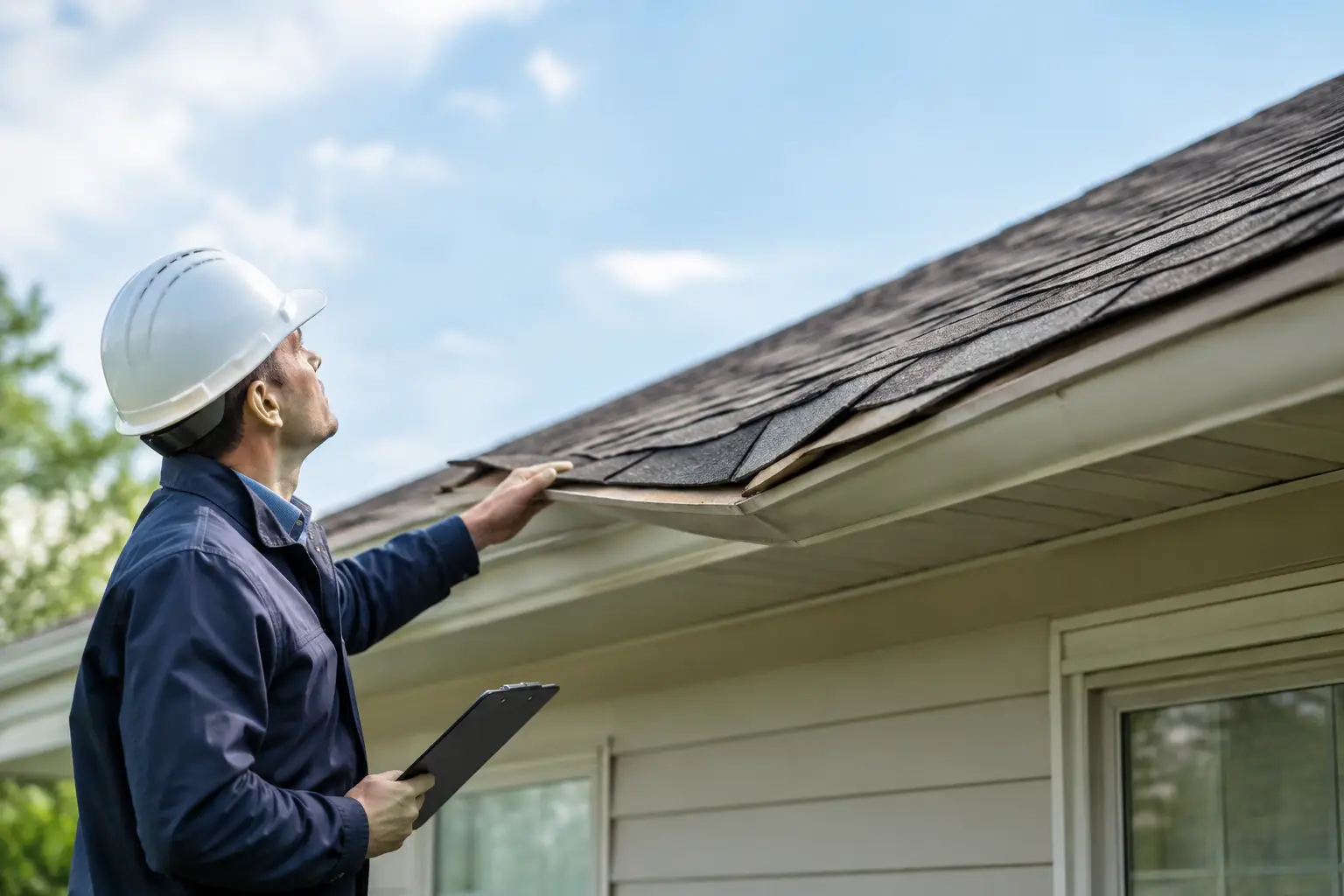
This is where experienced inspection matters. A professional assessment can show whether you are dealing with a few isolated failures or a roof system that has entered a cycle of ongoing decline. For many homeowners and property managers, that clarity is what makes the replacement decision easier.
When replacement depends on roof type
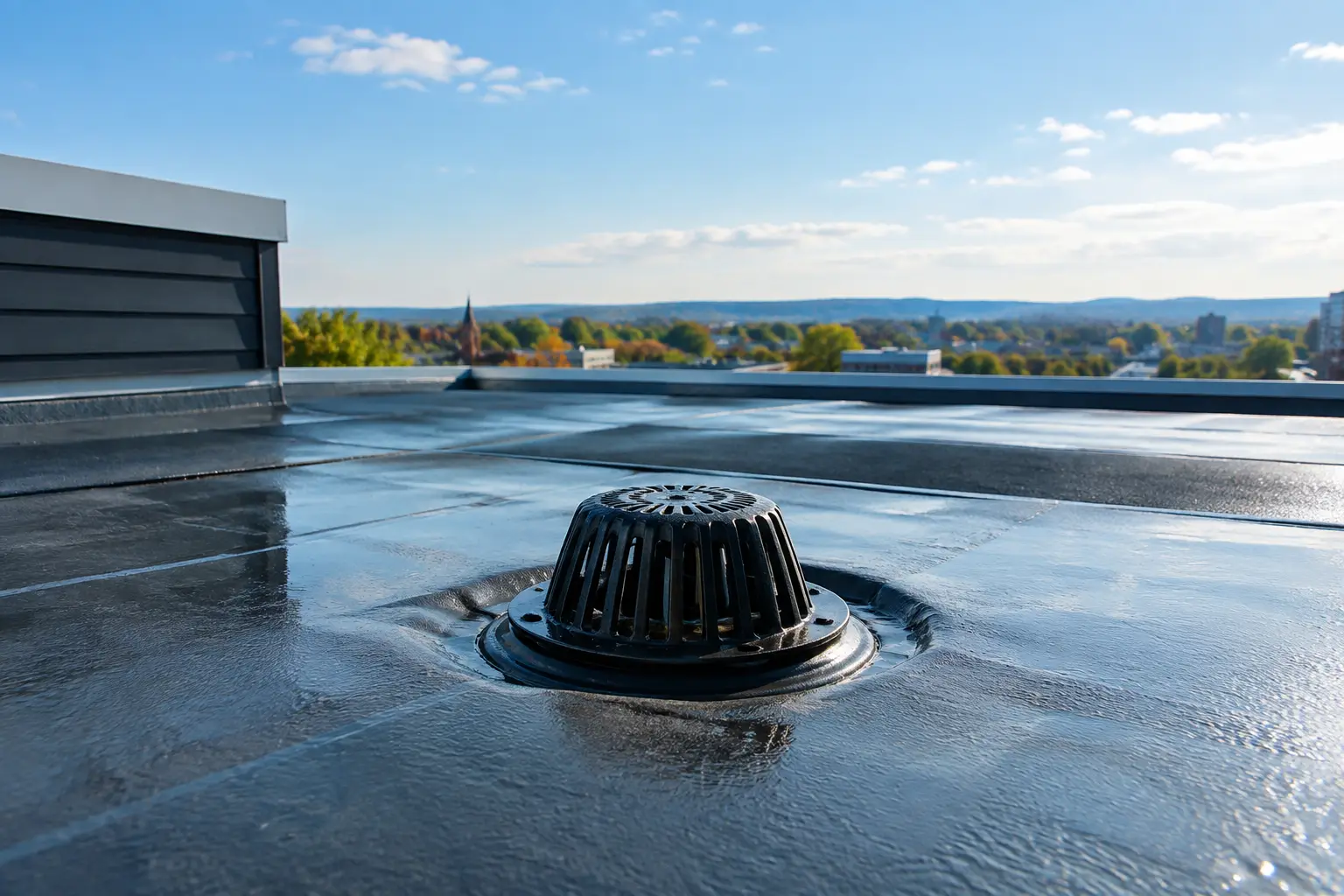
Not every roofing material ages the same way. Asphalt often shows wear through curling, cracking, and granule loss. Cedar may split, weather, or hold moisture if not maintained. Slate can last a very long time, but underlayment, flashing, and fasteners may fail sooner than the slate itself. Metal roofs may develop issues around seams, fasteners, and flashing details. Commercial low-slope systems can hide moisture below the membrane long before the problem becomes obvious.
That is why the right answer is not always based on one symptom. It depends on material, age, installation quality, ventilation, storm history, and how widespread the deterioration has become.
What to do if you notice these signs
If you are seeing several of these issues at once, do not wait for a major leak to confirm the problem. A thorough roof inspection can identify whether repairs are still practical or whether replacement will better protect the property and reduce future costs. For homes and commercial buildings in Norwalk and throughout Fairfield County, local experience matters because the weather patterns, building styles, and roofing demands here are specific.
Rick’s Main Roofing works with residential and commercial property owners across a wide range of roofing systems, including asphalt, cedar, slate, rubber, and metal. If your roof is showing age, storm wear, or repeated leak issues, getting a clear professional opinion now can help you make a sound decision before the next season makes the problem more expensive.