

A metal roof is not a small upgrade. In Connecticut, it has to stand up to snow load, wind-driven rain, coastal moisture, temperature swings, and the kind of ice buildup that can turn a minor roofing flaw into a costly leak. That is why choosing the right metal roof contractor Connecticut property owners can rely on matters just as much as choosing the roof itself.
Metal roofing has earned a strong reputation for durability, energy performance, and long-term value. But those benefits depend heavily on installation quality. A well-made panel system installed by an experienced contractor can perform for decades. A poorly detailed roof can develop leaks around seams, fasteners, penetrations, flashing, and transitions long before the material itself should ever fail.
Why a metal roof is different from other roofing systems
Metal roofing is not simply asphalt shingles in a different form. It behaves differently, expands and contracts with temperature changes, and requires a more precise approach at every stage of the project. Layout, fastening methods, underlayment selection, trim details, and ventilation all need to work together.
That is especially true in Connecticut, where weather conditions are demanding. Inland homes may deal with heavy snow and freeze-thaw cycles, while coastal properties face salt air, higher winds, and moisture exposure that can shorten the life of lower-quality materials or poorly executed installations. On older homes, structural conditions and roof geometry can add another layer of complexity.
For commercial properties, the stakes are just as high. A metal roofing system may be selected for longevity and lower maintenance, but the wrong installation can create disruptions for tenants, operations, inventory, and interior finishes. In both residential and commercial settings, metal roofing rewards precision and punishes shortcuts.
What to look for in a metal roof contractor Connecticut owners can trust
Experience with metal roofing should be specific, not general. A contractor may be capable with shingles and still lack the detailed knowledge required for a successful metal installation. Property owners should look for a company that understands multiple roof systems and can explain the differences between exposed-fastener and standing seam options, as well as how each system performs in local conditions.
Local experience matters too. Connecticut roofs are affected by ice dams, ventilation issues, storm exposure, and seasonal movement. A contractor who regularly works in Fairfield County and surrounding areas is more likely to account for those realities during planning and installation. That kind of local knowledge often shows up in the details – how valleys are built, how eaves are protected, how flashing is handled around chimneys and skylights, and how ventilation is balanced to support the full roofing assembly.
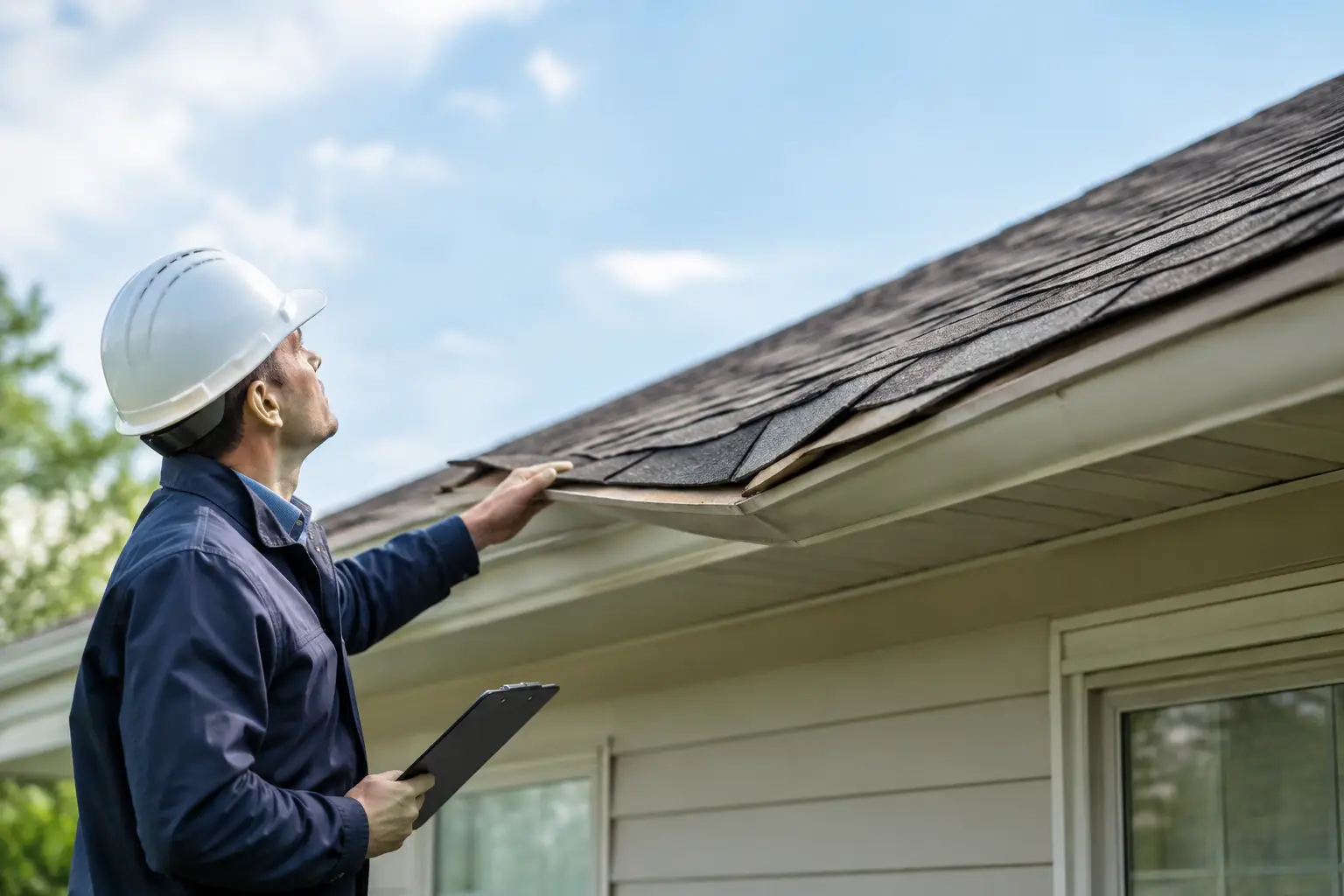
Credentials also matter, but they should support real workmanship rather than replace it. Manufacturer certifications, insurance coverage, and a long track record in the region all help signal professionalism. So does the ability to inspect the entire roofing system instead of talking only about surface materials.
A dependable contractor should also be able to discuss repairability and lifecycle service. Metal roofing can last a long time, but no roof is immune to storm damage, aging sealants, flashing wear, or installation issues from past work. A company that handles inspections, repairs, replacement, and emergency response is often better positioned to support the roof long after installation day.
Not every metal roof is the right fit
One of the most common mistakes in roofing is assuming the longest-lasting material is automatically the best option for every building. Metal roofing offers clear advantages, but the right system depends on the structure, the slope, the environment, and the owner’s goals.
Standing seam metal roofs are often favored for higher-end residential properties and buildings where long-term performance and cleaner appearance are priorities. They typically offer stronger weather resistance and conceal the fasteners, which can reduce maintenance concerns over time. They also tend to cost more upfront.
Exposed-fastener systems may offer a lower initial price and can be appropriate in certain applications, especially on some agricultural or commercial structures. The trade-off is that fasteners and washers are more directly exposed to weather and may require more maintenance as the roof ages.
There are also aesthetic considerations. Metal roofs can work beautifully on traditional homes, modern homes, commercial buildings, and some historic-adjacent properties, but they are not one-size-fits-all. Profile, color, substrate, coating quality, and trim design all affect the finished result. A good contractor should be honest about whether metal is the best match or whether another premium roofing material may be more appropriate.
The parts of installation that matter most
Homeowners often focus on the visible panels, but performance usually comes down to the less visible parts of the system. Underlayment selection is a major factor, particularly in climates with ice and water concerns. Flashing details are critical at roof penetrations, walls, valleys, and transitions. If those areas are not properly planned and installed, leaks often follow.
Ventilation is another issue that deserves attention. Many roofing problems blamed on materials actually start with poor attic ventilation or trapped moisture. A qualified contractor should look beyond the outer layer and consider how the roof system handles airflow, condensation risk, and seasonal heat buildup.
Substrate condition matters as well. Installing metal over a compromised deck or over aging materials without a sound plan can create future problems. Sometimes a full tear-off is the better choice. In other cases, retrofit options may make sense. The correct answer depends on the condition of the roof, building code requirements, and long-term performance goals.
Noise is often raised as a concern, but in most residential applications, a properly installed metal roof over solid decking with the right underlayment does not create the dramatic sound many people expect. The bigger concern is usually detailing, not noise.
Questions worth asking before you hire
A strong contractor should welcome detailed questions. Ask what type of metal system is being proposed and why. Ask how the contractor handles flashing, ventilation, underlayment, and snow-related concerns. Ask whether the crew has direct experience with the specific product being installed.
It is also smart to ask how the roof will be serviced in the future. If storm damage occurs or a leak develops around a penetration years later, you want to know the company can respond. Property owners should also ask who will oversee the project, how the site will be protected during work, and what the timeline may look like under normal Connecticut weather conditions.
Price should be discussed clearly, but it should not be the only filter. A lower bid can reflect a different panel system, thinner gauge metal, weaker underlayment, less experienced labor, or incomplete flashing details. On a metal roof, those differences matter.
Why local conditions should shape the project
Connecticut roofing decisions are rarely just about appearance. They are about resilience. Winter snow and ice can stress roof edges and valleys. Spring and summer storms can test fasteners, seams, and flashing. Coastal properties have to account for salt exposure and stronger wind events. Older homes may require careful integration with existing trim, masonry, or architectural features.
That is one reason many property owners prefer a contractor with broad roofing expertise rather than a narrow, single-product focus. Metal roofing may be the right recommendation, but that conclusion should come from an honest assessment of the property, not a sales script. A contractor with experience across asphalt, slate, cedar, rubber, and metal is often better equipped to make that call and execute the work correctly.
For property owners in Norwalk and throughout Fairfield County, that combination of technical skill and local experience can make a real difference. Rick’s Main Roofing has built its reputation around exactly that kind of full-service roofing support – from inspections and repairs to complete replacements and emergency response.
The best result is a roof that performs quietly for years
A good metal roof should not become a recurring issue. It should protect the building through harsh winters, heavy rain, heat, and wind without demanding constant attention. Getting there requires more than quality materials. It takes careful planning, accurate installation, and a contractor who understands how Connecticut weather affects every part of the system.
If you are considering metal roofing, slow the process down enough to evaluate the contractor with the same care you give the material. The right roof is a long-term investment. The right installer is what makes that investment hold up.